
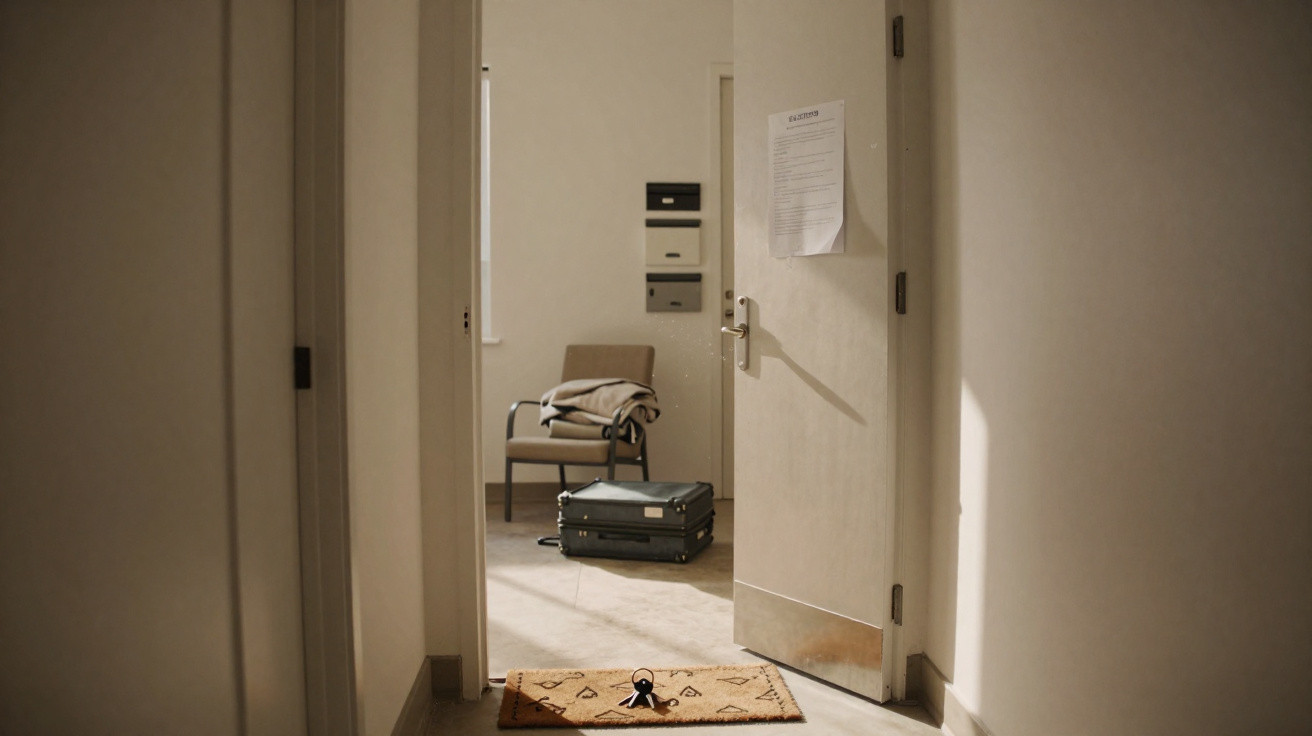
A neighbour says the door has not opened for two years. The landlord says the meter hardly changes. The retired tenant insists the flat is hers and that she visits whenever she can. This is the fraught divide in social housing today: when a subsidised property appears to be a second home, who determines whether it remains a primary residence? Beneath the documents is a deeply human account of ageing, absence and lengthy waiting lists crowding every corridor.
On the fourth floor, a blue door bears a small brass plaque, its name worn away, and a stubborn cylinder lock stiffened by age. Most of us have wondered, at some point, who really lives behind a shut door.
Neighbours recall hearing a radio on Sunday mornings, a boiling kettle and a chair scraping over the tiles. Now there is only quiet. Silence carries rumors better than any note on the door. One proud retired woman holds on to the flat as though it were a heartbeat she cannot always sense.
What turns a property into a home?
An unoccupied flat and a packed waiting list
On the landing, the account is straightforward: the neighbour says she has not seen the tenant for two years. A caretaker shrugs and gestures towards a letterbox containing little post, with no leaflets collected. In a city where rent steals sleep, vacant windows can feel like an insult. The light over the doorway is motion-activated and almost never comes on.
Housing officers speak quietly in figures. Applications, they say, arrive like endless layers of rain, and behind every file is someone with a suitcase tucked beneath a bed. A young nurse newly placed on night shifts told us she would accept anything with a lockable door and a nearby bus stop. Her name is somewhere in a queue that loops back on itself like a long winter.
This is the issue: social housing is intended to be a principal residence, not a pied-à-terre. Rules examine genuine, regular occupation-eight or nine months annually in certain systems, household bills showing daily life and neighbours familiar with the sounds of an occupied home. Landlords review water and electricity use, post collection and unanswered notices. Once the evidence suggests “absent”, the eviction process begins, slowly but persistently.
What tenants and landlords can realistically do
Begin with a calendar rather than an argument. Maintain a straightforward record of nights spent at the flat, nearby medical appointments, deliveries and small receipts demonstrating an everyday routine. Support this with utility records-monthly photographs of meters and bills showing consistent patterns rather than sudden peaks. Landlords, in turn, can arrange polite visits, record dated observations and suggest a meeting before matters become legal and impersonal.
Do not attempt to manufacture signs of occupation by leaving a light on or running a tap ahead of an inspection. Meter readings reveal reality, while neighbours recognise routines rather than staged details. Let’s be honest: nobody does that every day. If you are caring for a spouse elsewhere or recuperating at your child’s home after an operation, explain this promptly in writing, with documents that match the circumstances.
Here, clear communication and measured evidence achieve more than raised voices. Even a limited paper trail can remove much of the doubt.
“Primary residence isn’t a feeling-it’s a habit you can see on a calendar,” says a housing mediator who spends her week defusing hallway tensions.
- Gather three months of utility bills showing steady consumption.
- Retain appointment confirmations for healthcare or services close to the flat.
- Take a photograph of the meter on the first day of every month and save the images in a shared folder.
- Tell the landlord if you will be absent for over six weeks, including your planned return date.
- Record any overnight visits by carers or relatives connected with health or dependency needs.
The long shadow cast by a short word: “home”
A home is more than a key, although the key still has significance. In the retired tenant’s account, she retains the flat because it sustains her: known walls, a doctor around the corner and a church bell she knows instinctively. She says her absences began with health problems, continued with family matters and then became fear of losing the only place that still felt like hers. At times, that seems less a loophole than a lifeline.
For the landlord, every silent door represents another waiting-list case that remains stalled. It is about duty, certainly, but also fairness: a crowded city cannot allow subsidised homes to become occasional retreats. Any judge hearing the matter will seek signs of life within the absences-travel tickets, medication, bills and the gentle disorder of genuine occupation.
There may be a discreet route forward that does not shame either side: a monitored occupancy arrangement, a review after six months or an alternative offer if the flat is genuinely left cold. Cases such as this force us to consider what kind of city we want-a city that identifies misuse quickly, yet still accommodates those whose pace of life has slowed. There is no simple answer, only a question that keeps knocking.
| Key point | Detail | Why it matters to the reader |
|---|---|---|
| Primary residence test | Demonstrate regular, ongoing occupation through bills, records and local connections | Understand which evidence matters if your circumstances are borderline |
| Communication window | Write early, document absences and suggest a review date | Prevent escalation by acting before formal notices are issued |
| Fairness versus need | Every “empty” flat reflects both a long waiting list and a human story | Consider both perspectives to anticipate how a case may be assessed |
FAQ:
- What legally counts as a primary residence in social housing? It is the home you occupy for most of the year, with patterns of use and daily life visible through utility data, post and local routines.
- Can a landlord evict for non-occupation alone? Yes, where the tenancy requires a principal residence and the evidence demonstrates prolonged absence. The procedure involves formal notices and, if challenged, a judge.
- How can a tenant challenge an eviction in this situation? Provide dated evidence: meter photographs, bills, medical records, travel tickets, neighbour statements and a clear timeline of stays.
- Do health or family reasons justify long absences? They may, where documents support them and the connection to the flat remains active-nearby appointments, regular returns and belongings used in everyday life.
- What happens to the flat during the legal dispute? Usually, the tenancy continues until a ruling is made. Rent remains payable, inspections may take place and both parties exchange documents to an agreed timetable.






Comments
No comments yet. Be the first to comment!
Leave a Comment