
Add Zona Militar to your Google News
Why add us? Get Zona Militar news in your Google feed.
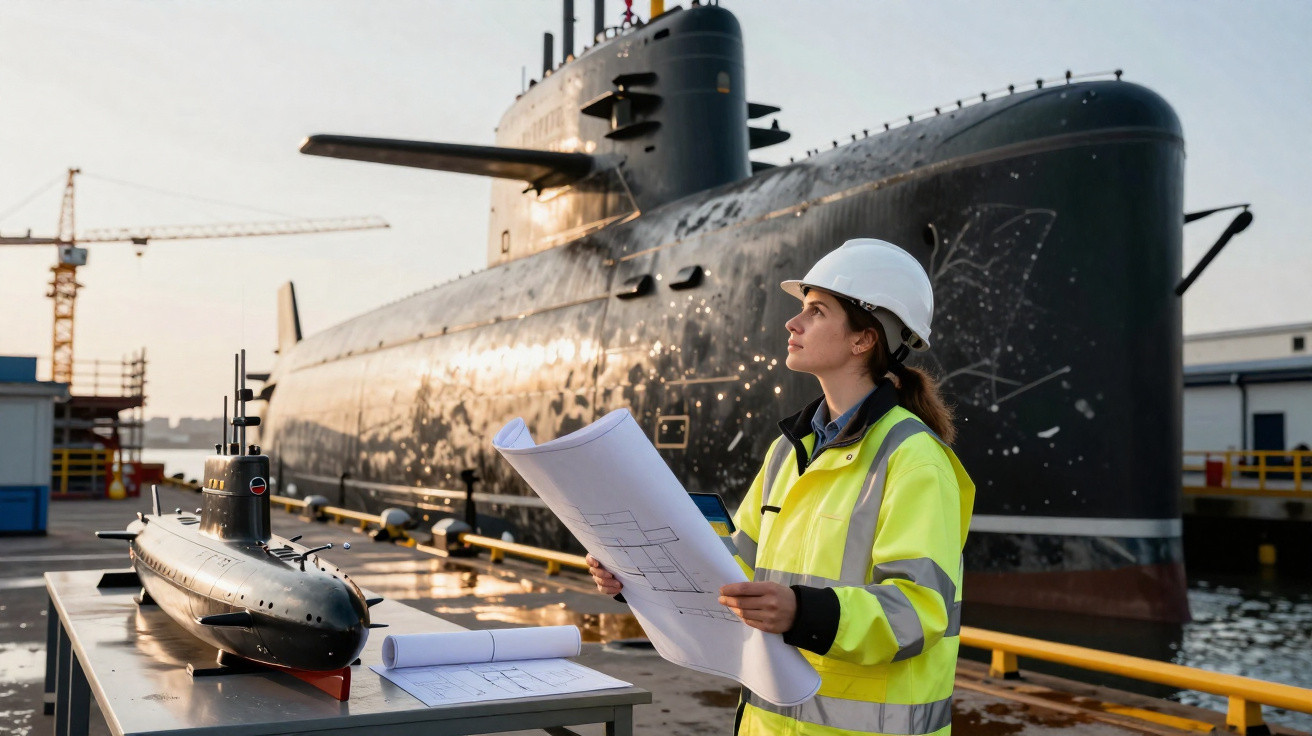
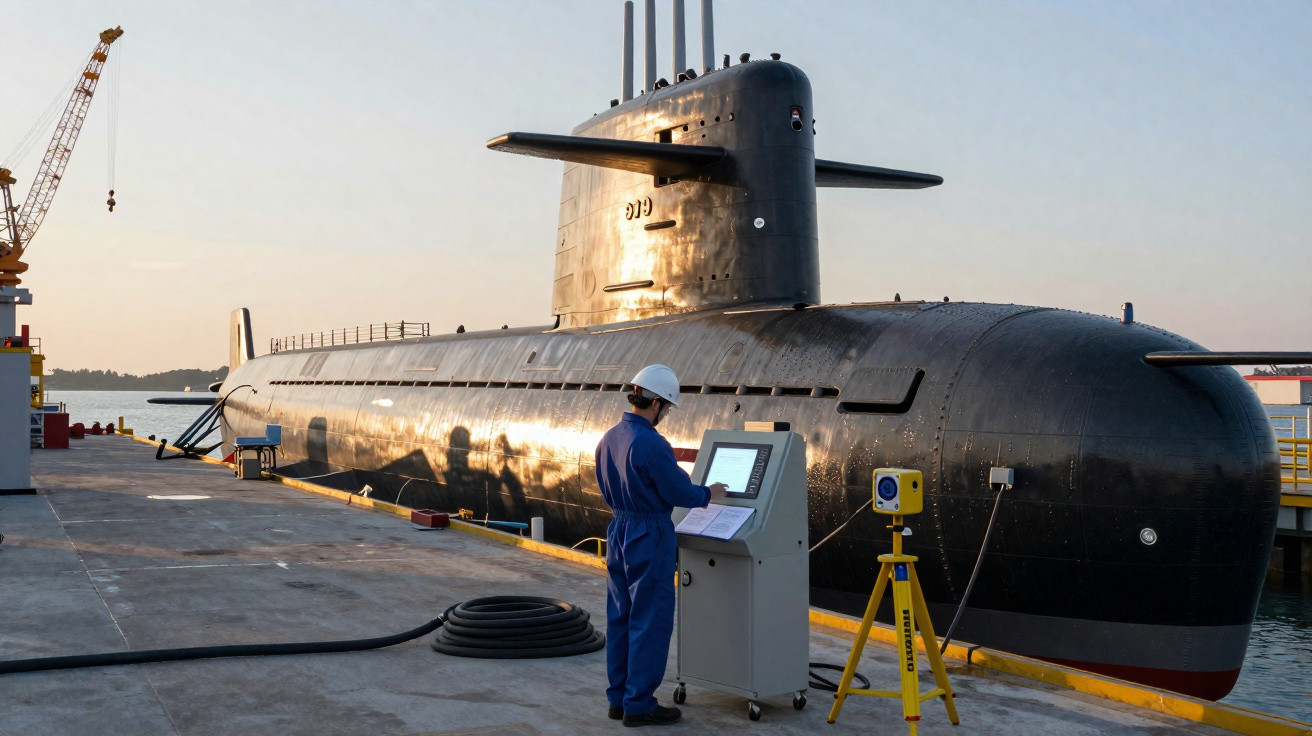
The UK Ministry of Defence has moved forward with the development of its future fleet of Royal Navy Dreadnought submarines. The programme is intended to safeguard the country’s strategic nuclear deterrent posture over the long term. This new generation of vessels is now taking shape at BAE Systems’ shipyard in Barrow-in-Furness. Large structural sections demonstrate the steady progress of a project designed to replace the ageing Vanguard-class boats. For more than three decades, the present fleet has successfully maintained Britain’s continuous nuclear presence at sea.
👉 Read more: US Air Force declares Initial Operational Capability for the new MH-139A Grey Wolf helicopter to strengthen the nuclear arsenal
The extensive naval programme covers the construction of four dedicated strategic vessels: HMS Dreadnought, HMS Valiant, HMS Warspite and HMS King George VI. BAE Systems reached an important milestone at Barrow-in-Furness on 22 September 2025, when technicians held the first steel-cutting ceremony for HMS King George VI. The occasion formally began construction of the fourth and final boat. The other three nuclear-powered units were already under construction at different stages of manufacture.
Strategic investment in Royal Navy Dreadnought submarines
The industrial scale of the Royal Navy Dreadnought submarines programme became clear in July 2026, when the British government formally announced an allocation of £8.4 billion to complete the naval project. Under the official timetable, HMS Dreadnought will begin sea trials and enter active service in the early 2030s. The second vessel, HMS Valiant, will follow a comparable schedule towards operational deployment. Meanwhile, workers will continue building HMS Warspite and HMS King George VI. These final two boats will begin their respective operational trials during the second half of the decade.
📌 You may also be interested in:
- South Korean Navy: KSS-III Dosan Ahn Chang-ho submarine completes historic Pacific mission
- US Air Force deploys B-52H bombers to Australia to reinforce the Indo-Pacific
Dimensions and Continuous at Sea Deterrence
Each of these nuclear-powered ballistic missile submarines will displace approximately 17,000 tonnes. The vessels will measure 152 metres in overall length and 13 metres in beam. A standard operating crew of roughly 130 service personnel will man each submarine. These specifications will make the new class the largest submarines in British history. Their introduction will replace the current Vanguard-class fleet and permanently sustain the Continuous at Sea Deterrence (CASD) structure. The United Kingdom’s defence strategy relies heavily on this particular maritime pillar.
Britain’s strategic nuclear deterrent
Operationally, the platforms will form the backbone of Britain’s strategic nuclear deterrent. This national capability is principally based on the use of US-made Trident II D5 ballistic missiles. Building these four vessels is therefore an essential defence initiative. The project will preserve the domestic nuclear capability for decades to come, while ensuring that at least one strategic submarine is always on active patrol.
The defence programme also reinforces Barrow-in-Furness as a leading centre for British submarine construction. This industrial undertaking directly involves more than 6,000 independent companies across the domestic supply chain. Likewise, the nuclear defence enterprise supports tens of thousands of highly skilled jobs throughout the country. Construction of all four units is now progressing simultaneously. The additional funding announced in July 2026 is accelerating the manufacturing process. Large modules are moving through the shipyard as the next generation of Britain’s deterrent takes tangible form.
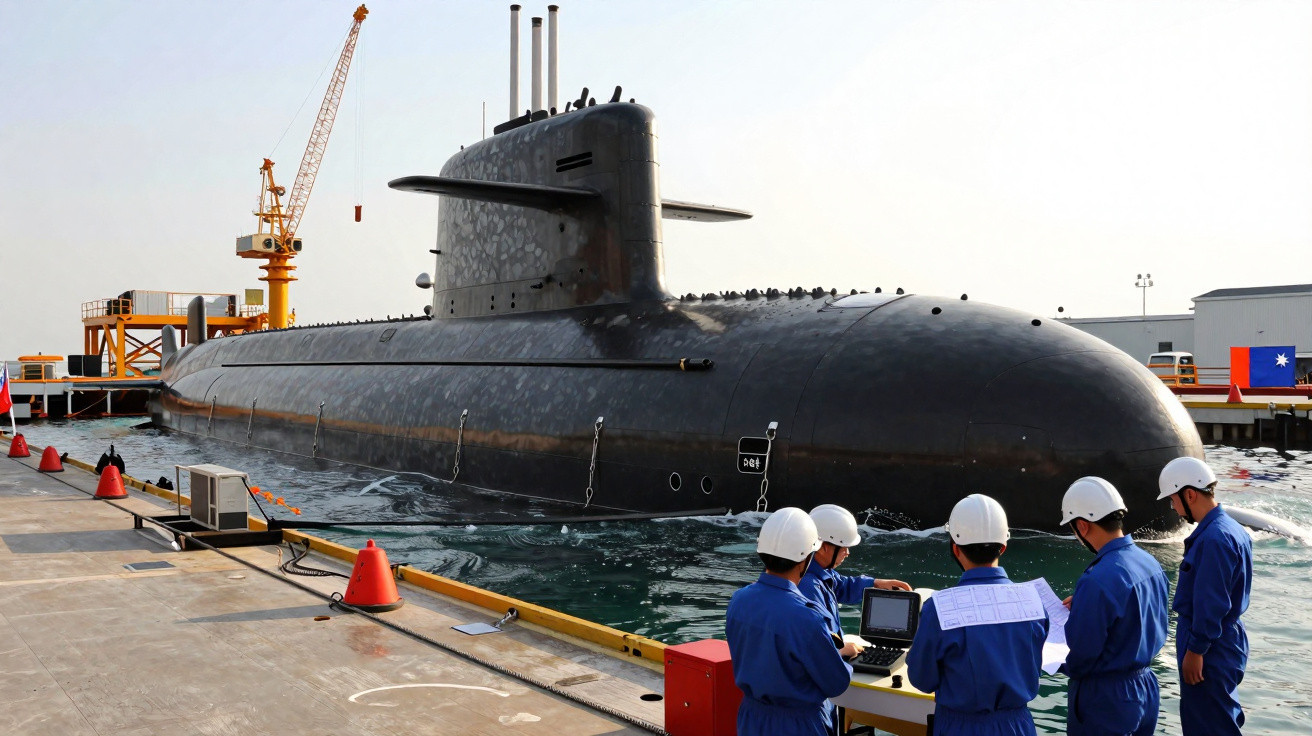
Images for illustrative purposes only.


Comments
No comments yet. Be the first to comment!
Leave a Comment