
- ADD ZONA MILITAR ON
Why follow us? Receive the latest updates from Zona Militar in your Google feed.
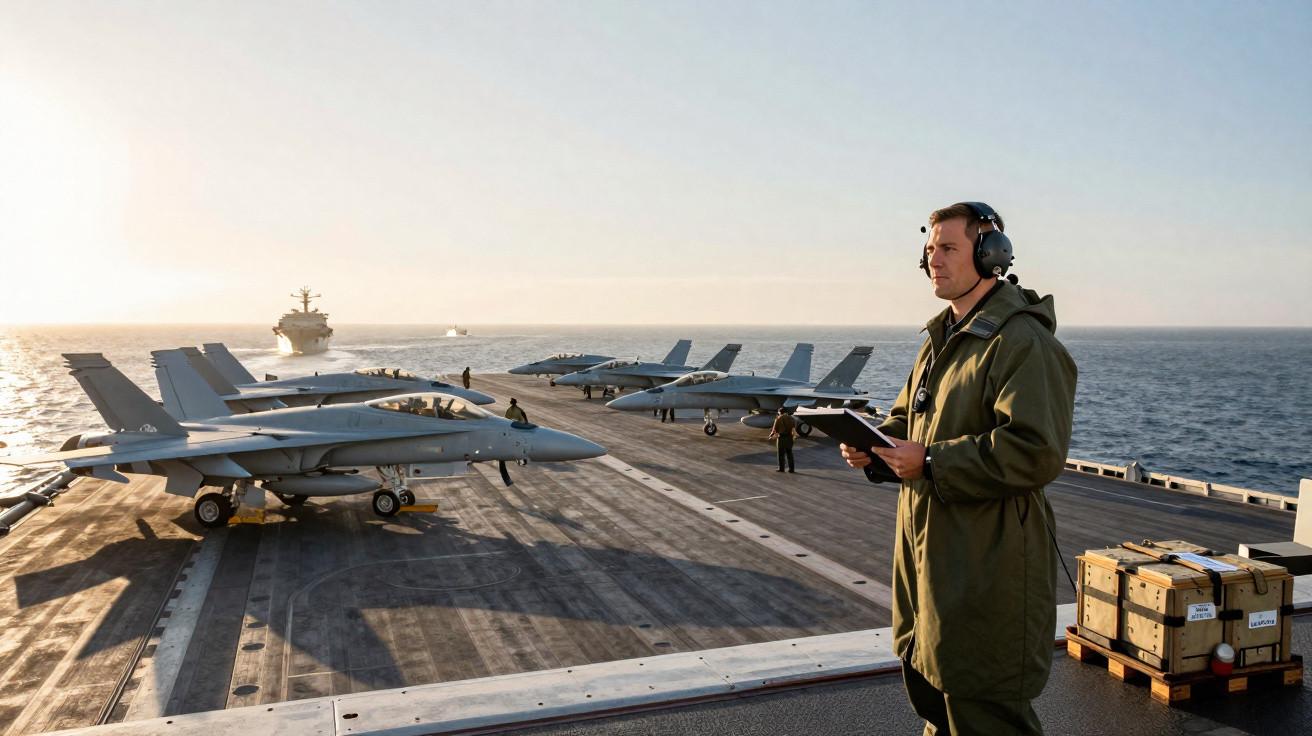
After months of operations connected to the conflict with Iran, the U.S. Navy intends to keep its nuclear-powered aircraft carriers deployed in the Middle East for longer periods. The USS Theodore Roosevelt (CVN-71) may embark on a deployment lasting more than seven months, following operations in which other U.S. aircraft carriers have already remained deployed well beyond their initially planned timetables.
👉 Read more: After 34 years of service, the USAF’s final EC-130H Compass Call electronic warfare aircraft completed its last flight
The U.S. Navy prepares for a further extended deployment
Families of sailors serving with the USS Theodore Roosevelt Strike Group are already making arrangements for a mission that may extend beyond seven months. In the coming weeks, the aircraft carrier, its escorts and Carrier Air Wing 11 were due to leave San Diego for the U.S. Central Command area of responsibility.
The plan was for the group to replace the USS George Washington (CVN-73), which had entered the U.S. Fifth Fleet the week before. Since Operation Epic Fury began on February 28, the Navy had sustained an aircraft carrier presence in the Arabian Sea, launching strike sorties against Iran from the area before later taking part in the maritime blockade of Tehran.
📌 You may also like
- First F-15EX Eagle II destined for Kadena Air Base begins preparations for the permanent U.S. Air Force deployment to Japan
- Following 28,000 kilometres and 161 days at sea, South Korean Navy submarine Dosan Ahn Chang-ho concludes its first return deployment across the Pacific
Chief of Naval Operations Admiral Daryl Caudle said the continued operations had placed pressure on personnel. “We’ve been in conflict virtually my entire time in this position, and that has certainly put a strain on the force,” the admiral noted.
Caudle also highlighted the requirement for better planning around deployment extensions. “If we know we’re going to be in danger, we should be able to project with a little more accuracy how long the carrier and strike group will remain on station,” he explained. The officer said that extensions imposed at short notice made it harder for sailors and their families to arrange their personal affairs.
The background to extended deployments
The possible prolonged deployment of the Theodore Roosevelt followed several lengthy missions. In May, the USS Gerald R. Ford (CVN-78) returned to the United States after a 326-day deployment, the longest undertaken by the Navy since the Cold War.
Throughout that mission, the Gerald R. Ford had operated across several regions and visited ports in the Caribbean and the Mediterranean. Those stops enabled temporary pauses in operations and gave its crew periods of recovery.
Conditions were different aboard the USS Abraham Lincoln (CVN-72), which had spent roughly eight and a half months at sea without making a port call. The aircraft carrier left San Diego in November before being sent to the Middle East in support of U.S. operations during the Iran-Contra conflict.
In the days beforehand, the Abraham Lincoln was crossing the Indian Ocean on its way back to the United States, with a visit to Thailand scheduled. By September 12, its deployment had reached 295 days and, should it have continued at that rate, it was set to become the U.S. Navy’s second-longest deployment, behind only the Gerald R. Ford.
The extension of these missions came directly after the U.S. strengthened its naval presence in the Middle East. By February, the Abraham Lincoln and its carrier strike group were already operating in the Arabian Sea, while Washington was considering deploying a second aircraft carrier to increase its presence off Iran.
A logistics chain configured for two aircraft carriers
Against this backdrop, an F-35C from the Abraham Lincoln’s Carrier Air Group brought down an Iranian drone that had approached the aircraft carrier. The event took place amid rising tensions with Iran and illustrated the conditions in which the U.S. carrier strike group had been operating.
Lessons from the Abraham Lincoln deployment also prompted the Navy to adjust its logistics arrangements. The service created a supply network capable of supporting two carrier strike groups in the Arabian Sea at the same time.
The arrangement drew on combat logistics forces based at Diego Garcia, while spare parts were transported from Singapore, Japan, the Philippines and the United States. Caudle said the aim was to create a more consistent and foreseeable pattern of at-sea replenishment.
“I think we now have that process resolved,” Caudle had stated, referring to the development of the system. The admiral said the Navy had succeeded in easing some of the logistics difficulties encountered during the early phase of the Abraham Lincoln’s deployment.
The deployments of the Gerald R. Ford and Abraham Lincoln therefore set a precedent for future lengthy operations. As the Theodore Roosevelt prepared to replace the George Washington, the U.S. Navy had started factoring deployments of more than seven months into its Middle East planning.
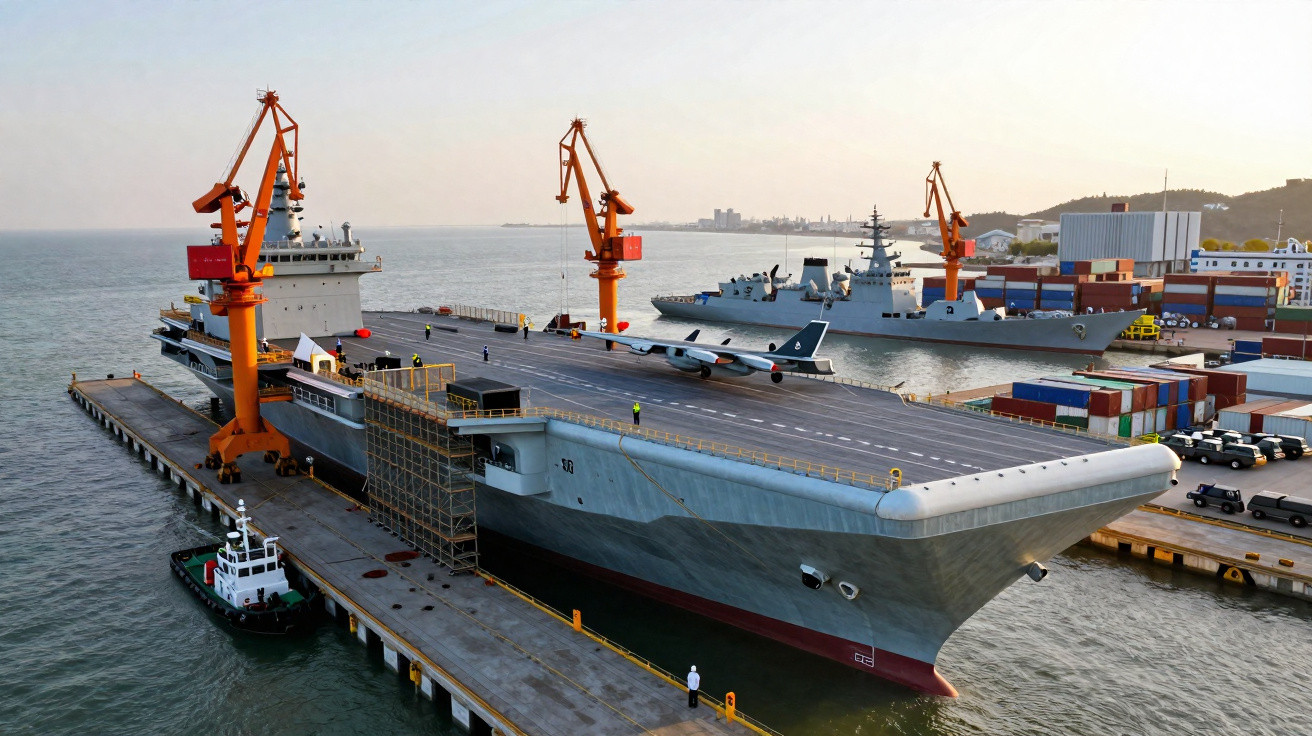
Images for illustrative purposes only.
Comments
No comments yet. Be the first to comment!
Leave a Comment