
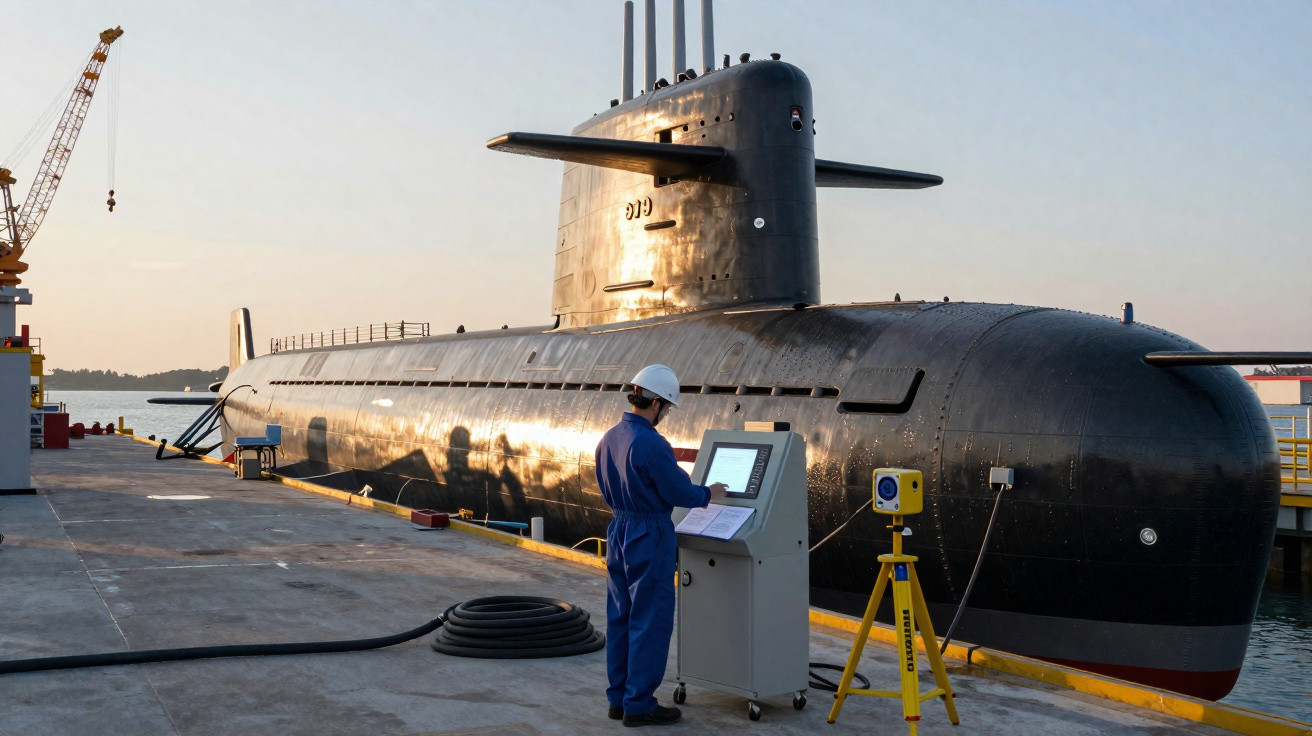
De Grasse reactor reaches the divergence milestone
Naval Group announced this morning that the nuclear reactor aboard the fourth new French Navy Barracuda-class nuclear-powered attack submarine has been activated. The boat, De Grasse (S638), is named after the aristocrat and naval officer who participated in the American War of Independence.
This marks a major stage in the construction programme, known as “divergence”. During this process, the reactors are brought into operation and then remain permanently active and under supervision until the vessel is withdrawn from service. It clears the way for the submarine to enter its alpha sea-trials phase.
In a short social-media statement, the company explained that reactor activation took place under the oversight of the French Atomic Energy Commission (CEA), with assistance from TechnicAtome personnel. TechnicAtome was responsible for designing and building the reactor. Naval Group supplied the pressure hulls containing the reactor and integrated them into the submarines’ overall design.
French Navy Barracuda-class submarine fleet
The French Navy is currently taking delivery of a planned force of six Barracuda-class submarines, three of which are already in active service. The first, Suffren, joined the fleet in June 2022. It was followed by Duguay-Trouin in April 2024 and Tourville in July that year.
Alongside De Grasse, the remaining boats are Rubis and Casabianca, both of which are at different stages of construction. Their deliveries are scheduled for 2028 and 2030 respectively. Together, the six submarines will replace the Rubis class, which has formed part of French naval capabilities since the 1980s.
Barracuda capabilities, sensors and special forces support
A key strength of the Barracuda-class design is its capacity to strike targets behind enemy lines while operating at considerable depth. This capability is supported by cruise missiles fired through its torpedo tubes. The submarines also have advanced sensors for ISR missions and equipment intended to provide substantial anti-submarine warfare capabilities.
Each vessel is fitted with a modern mast system capable of producing 4K images, which can be distributed to every position in the combat information centre. Another notable feature is the option to use a removable deck hangar, allowing naval special operations units to be deployed.
Dimensions, performance and armament
Each Barracuda-class submarine has a submerged displacement of 5,100 tonnes, a length of 99 metres and a diameter of 8.8 metres. It has room for a crew of 63 personnel and a 15-strong commando team.
Reports indicate a maximum operating depth of roughly 350 metres and a top speed of up to 25 knots, enabled by its hybrid propulsion system. Its broad armament suite comprises F21 heavyweight torpedoes, SM-39 Exocet submarine-launched missiles, FG-29 mines and MDCN SCALP Naval cruise missiles launched through the torpedo tube.
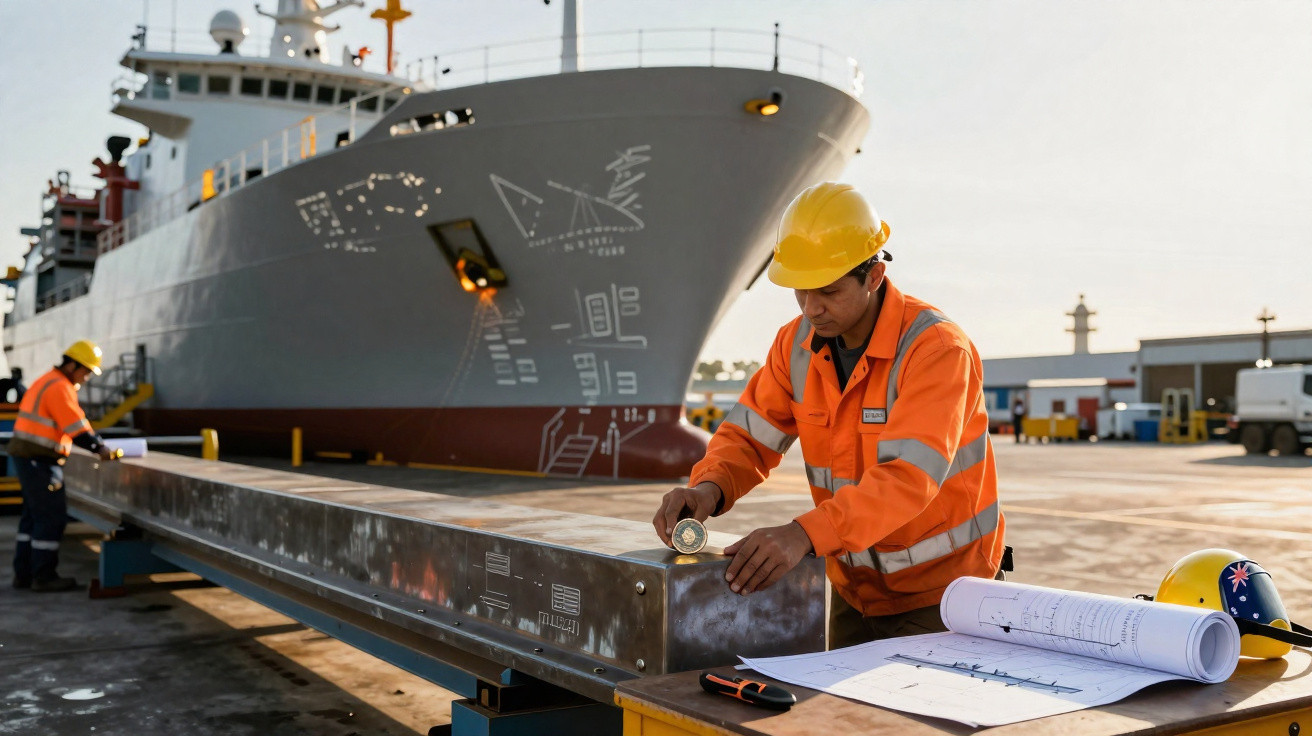
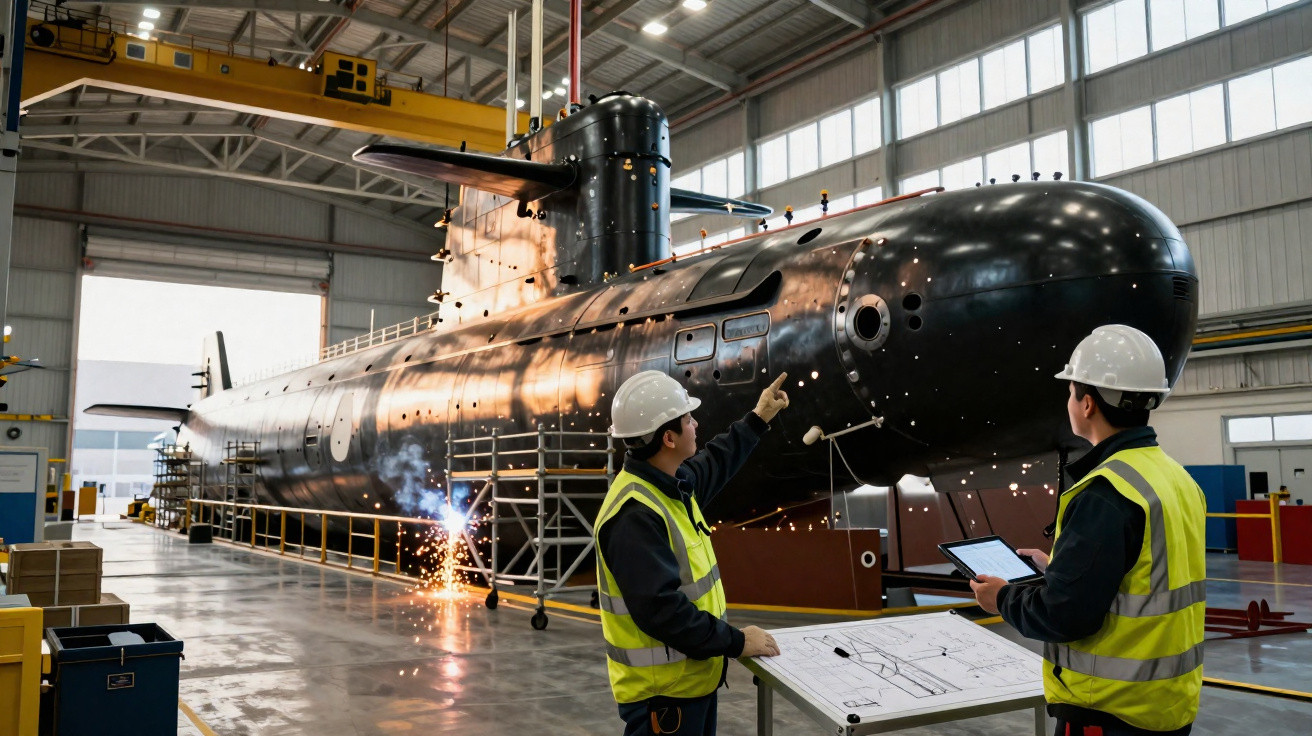
Images used for illustrative purposes.
You may also like: The French Army tested an experimental version of its new Leclerc XLR tank, fitted with anti-drone cages, in Switzerland
Comments
No comments yet. Be the first to comment!
Leave a Comment