
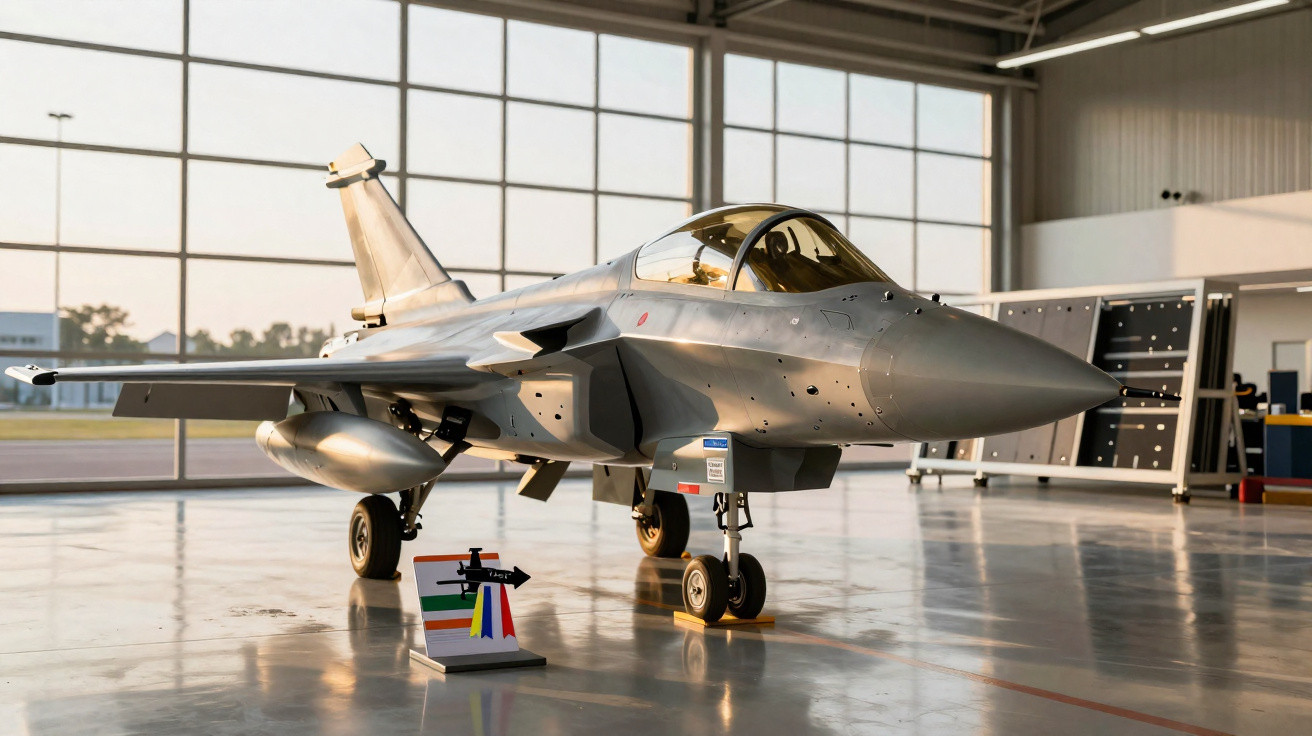
A major fighter-jet agreement is moving quietly through New Delhi’s administrative system, with substantial funding, domestic employment and regional influence all at stake.
The Indian government is considering a multi-billion-euro bid for 114 Rafale fighter jets, with most of the aircraft intended to be built in India. It could develop into one of the country’s biggest defence-industrial partnerships. Beyond the headline numbers, the proposal represents a strategic calculation: maintaining the Indian Air Force’s combat capability now while using overseas technology to establish a lasting domestic aerospace sector.
A €28 billion proposal under consideration
India’s Ministry of Defence is assessing a programme worth about Rs 3.25 lakh crore, approximately €28 billion, to acquire 114 Rafale aircraft. Under the plan, the majority of the jets would be assembled in India through a government-to-government arrangement between New Delhi and Paris.
Reports indicate that the proposal is on the agenda for a senior Ministry of Defence meeting. Should it receive approval there, it would be sent to the Cabinet Committee on Security - India’s highest political body for defence and strategic decisions - for final clearance.
The Rafale offer is not just about buying more jets; it is about locking in a long-term industrial and strategic partnership between India and France.
Officials and analysts regard the initiative as a follow-on from India’s previous direct purchase of 36 Rafales from France, which joined Indian Air Force (IAF) service in 2020. That initial order demonstrated the aircraft’s capabilities to India. The much larger second package is intended to establish Indian production lines and transfer technology.
Meeting immediate requirements while building for the future
The IAF faces a persistent problem: its squadron strength is declining because ageing MiG-21s are leaving service faster than replacements can arrive. India’s planners want combat-ready squadrons in the short term while retaining the political and industrial objectives of “Make in India”.
The Rafale proposal is designed to address both priorities. Aircraft could be supplied comparatively quickly from France’s existing production capacity, before assembly of most of the 114 fighters progressively moves to India. The first batches would contain only a modest level of Indian input, which would rise in stages as local suppliers expand their capabilities.
The chosen model mixes fast deliveries to plug operational gaps with a slower, more careful build-up of a domestic aerospace base.
French companies are expected to provide substantial manufacturing expertise, tooling and training. France would retain control over sensitive software and certain vital mission systems, in line with standard export restrictions covering advanced defence technologies.
How Rafale localisation could be phased
Although the final arrangements remain under negotiation, defence-industry officials outline a transition that could include:
- Initial aircraft delivered largely from France, with only limited assembly activity in India
- A gradual transfer of airframe and sub-assembly production to Indian sites
- Step-by-step incorporation of Indian-produced components and weapons
- An expanding role for Indian engineers in maintenance, repair and overhaul
- Possible future exports of Rafales assembled in India to friendly nations
The model is intended to prevent the delays and budget overruns seen in some earlier Indian licensed-production schemes, where demanding localisation goals were imposed at the outset without adequate industrial capability.
Why Rafale remains important to the IAF
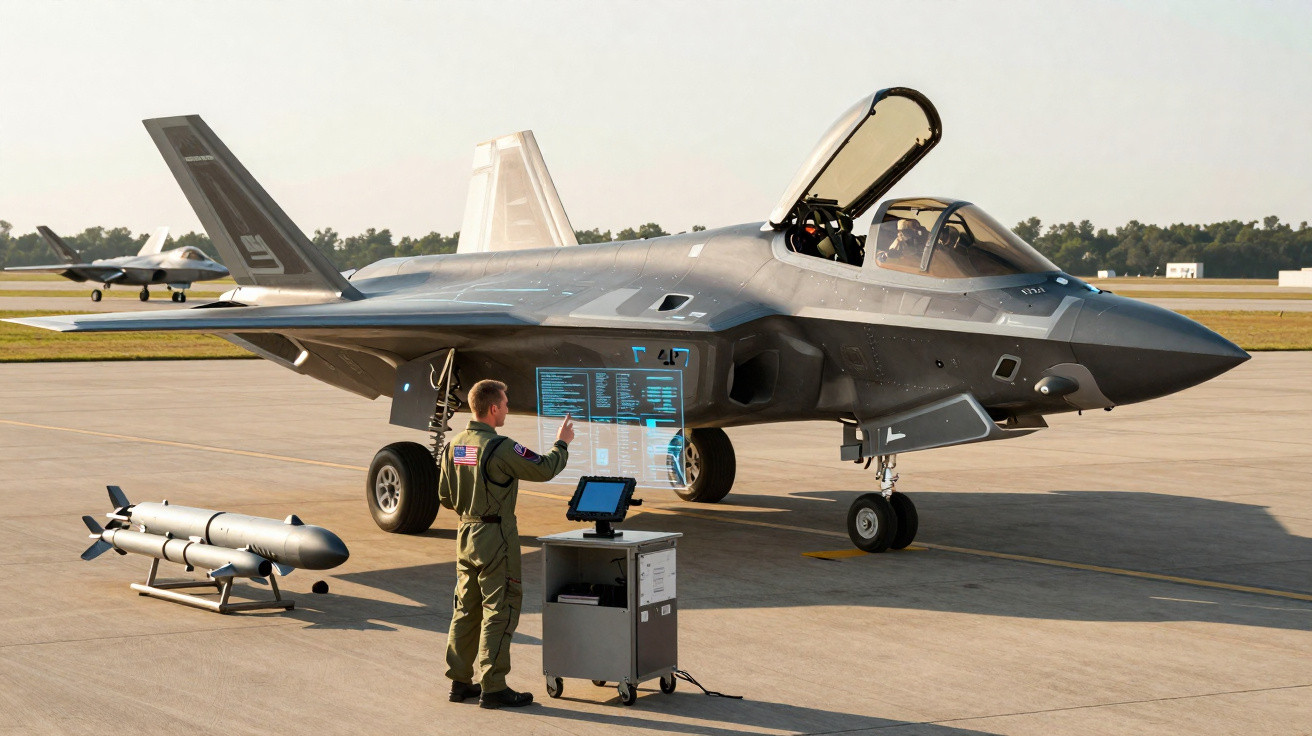
Rafale has already demonstrated its utility in Indian operations, including high-altitude missions in Ladakh and nuclear-deterrence duties. Increasing the IAF fleet to more than 100 aircraft would create a critical mass, with shared training routes, common spare parts and more straightforward maintenance.
India is currently confronting two simultaneous challenges in its region. Pakistan continues to upgrade its air force, while China has positioned advanced stealth aircraft and long-range missiles on the Tibetan plateau. Against that background, the IAF is seeking adaptable, survivable aircraft with powerful electronic-warfare and networked capabilities.
| Key aspect | Why it matters for India |
|---|---|
| Multirole capability | A single aircraft type can perform air-defence, deep-strike and maritime tasks, reducing logistical demands. |
| High-altitude performance | Missions from Himalayan and forward bases require powerful engines and resilient avionics. |
| Compatibility with Indian weapons | Integrating domestically developed missiles and smart munitions increases autonomy. |
| Networked warfare | Secure data links enable Rafales to operate closely with AWACS, drones and ground radars. |
A larger Rafale fleet would also simplify mission planning and training. Pilots transferring between squadrons would continue to fly the same type, while ground staff could develop specialist expertise. India could also distribute sophisticated simulators and support facilities among a greater number of bases.
Industrial implications for “Make in India”
Politically, the Rafale bid sits squarely within the government’s Make in India and Atmanirbhar Bharat (self-reliant India) programmes. Major defence procurements are now assessed not just by military capability, but also by the volume of work and technology they bring into India.
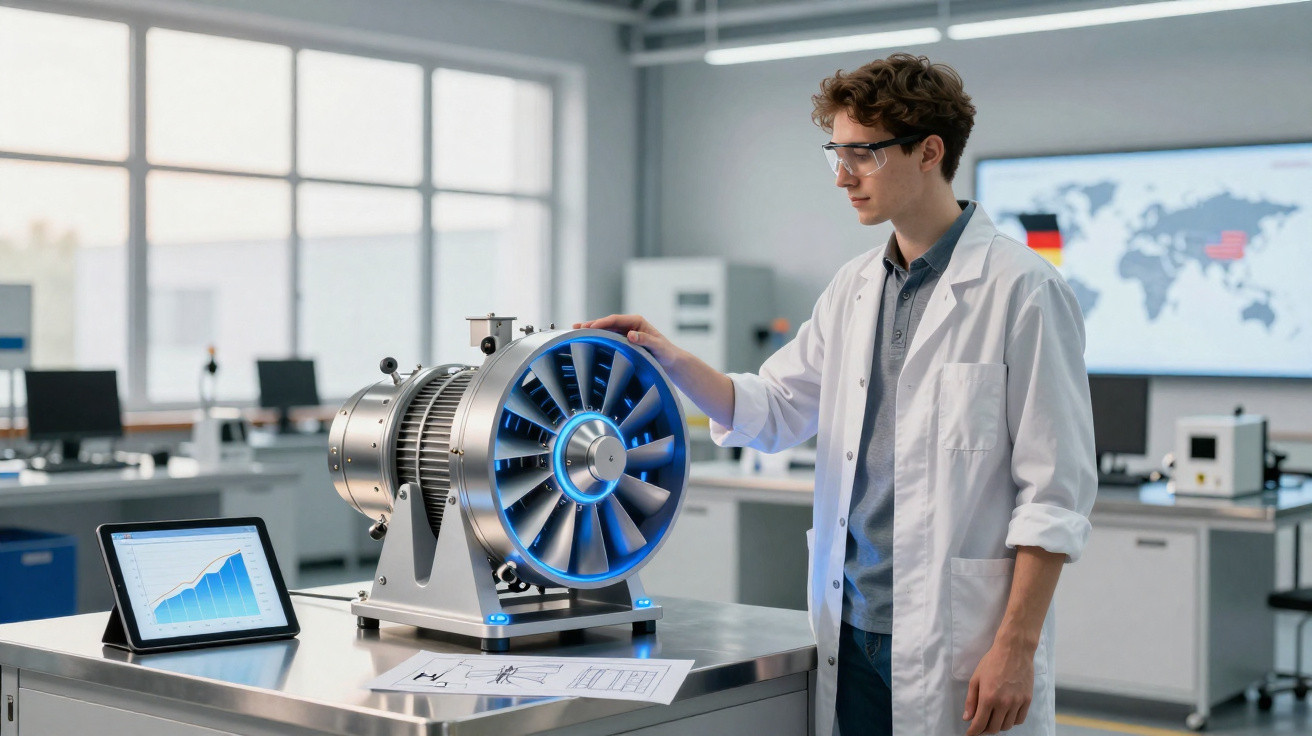
The proposed Rafale assembly line would support highly skilled roles in aerostructure assembly, avionics integration, engine work and extensive testing. Indian businesses, including private-sector firms, could become part of worldwide supply chains for components and sub-systems.
A long-running fighter line in India would act as a training ground for engineers, technicians and suppliers who may later support indigenous projects like Tejas and the Advanced Medium Combat Aircraft.
French companies are expected to work with major Indian partners from both the public and private sectors. This could involve joint ventures for maintenance centres, component manufacturing and potentially R&D facilities concentrating on avionics or materials.
Risks and compromises in a project of this scale
An agreement of this magnitude carries major risks. Rising costs remain a continual concern, particularly because of exchange-rate movements and raw-material inflation. Manufacturing schedules could also slip if Indian facilities or suppliers need longer than anticipated to meet required quality levels.
There is a strategic compromise as well. Every rupee used for imported or licence-manufactured fighters is a rupee not invested directly in wholly indigenous programmes. Critics say India could deepen its reliance on foreign technology if deals of this kind take precedence over domestically designed aircraft.
Supporters respond that India needs advanced fighters in the near future, and that practical technology transfer through such agreements could speed up indigenous programmes by giving Indian engineers experience of sophisticated systems.
How technology transfer works in practice
The term “transfer of technology” is frequently used imprecisely. In practice, it can describe a wide range of arrangements, not all of which provide the buying country with complete independence.
For agreements such as the proposed Rafale package, technology transfer may involve:
- Detailed production drawings and manufacturing procedures for particular parts
- Training Indian engineers and technicians at French facilities
- Permitting Indian companies to manufacture selected components under licence
- Providing testing and quality-assurance methods
- Creating joint ventures to co-develop sub-systems or upgrades
The most tightly protected areas are generally the underlying software layers, mission-system source code and elements of electronic-warfare logic. Exporting countries regard these as the crown jewels of their defence sectors and seldom transfer them in full.
For India, the tangible benefit would be gaining proficiency in complex integration, precision manufacturing and life-cycle support. Even without every line of software code, these capabilities can be applied to indigenous projects throughout military and civil aerospace.
What the Rafale proposal could mean in future conflicts
If the 114 Rafale programme proceeds broadly in its proposed form, the IAF could operate a substantial force of advanced fighters during the coming decade. This would give India greater flexibility in a crisis, covering rapid air defence and deterrent patrols as well as deep-strike missions and maritime operations in the Indian Ocean.
In a simulated situation in which tensions rise at the same time on the western and northern borders, an expanded Rafale force would enable India to keep some squadrons continuously at high readiness while cycling others through maintenance and training, without weakening its front-line capability.
The industrial gains may take longer to emerge but could prove more far-reaching. Engineers trained on Rafale systems could later contribute to loitering munitions, loyal-wingman drones or advanced trainers, extending the value of the original investment.
For the moment, the outcome depends entirely on political choices in New Delhi. The security establishment seems supportive, the IAF evidently wants the aircraft, and French industry is prepared to proceed. The central issue is whether India can convert this prospective mega-contract into both a stronger air force today and a more capable aerospace ecosystem for decades ahead.

Comments
No comments yet. Be the first to comment!
Leave a Comment