
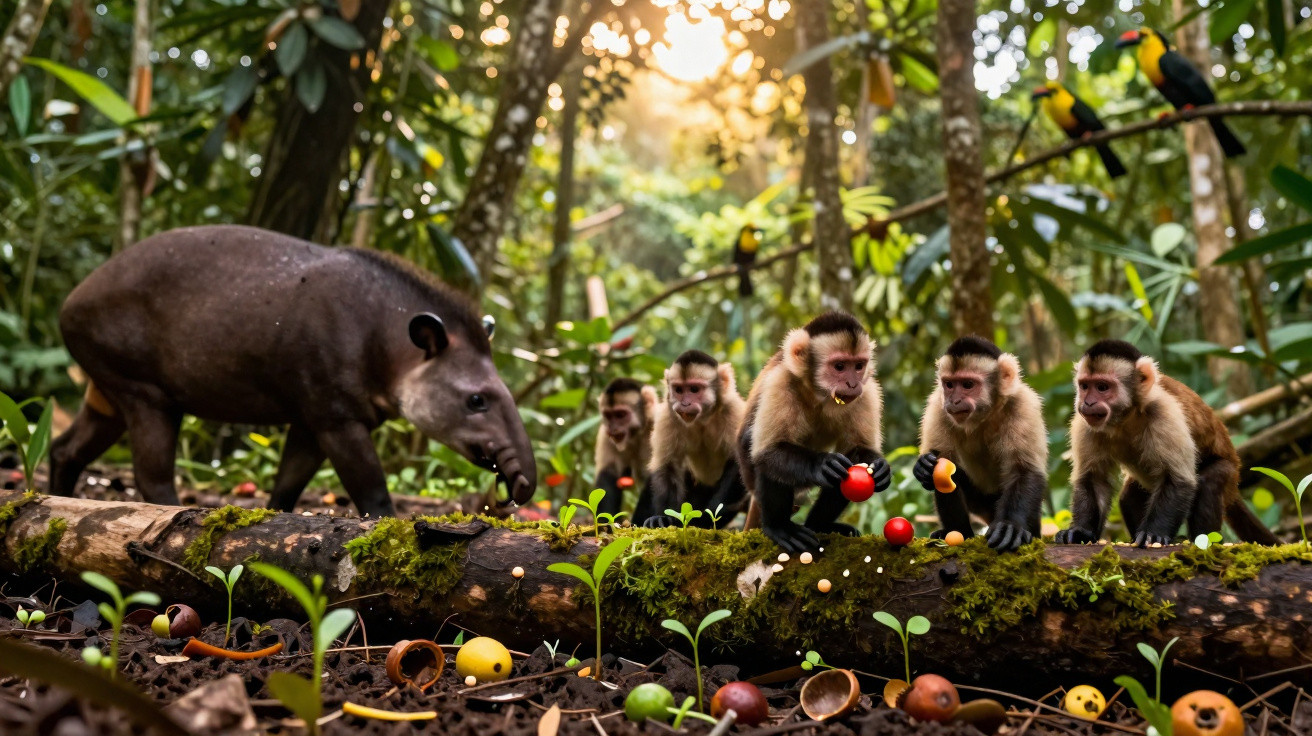
Natural regeneration in forests demonstrates the power of biodiversity to restore degraded land without human intervention. This ecological process shows how wildlife helps rebuild habitats destroyed by deforestation, which is disrupting today’s ecosystem balance.
How do animals contribute to environmental recovery?
Wild animals play essential roles by dispersing wild seeds across deforested landscapes. The continual movement of these species allows native flora to re-establish quickly, creating a genuine conservation miracle that astonishes scientists around the world.
This combined work includes various flying creatures that carry vital nutrients and a wide range of seeds over long distances. Understanding the particular role of each group clarifies how ecosystems are rebuilt, as set out in the following ecological analysis points.
- Bats: Distribute the seeds of pioneer plants at night.
- Birds: Carry seeds from a variety of fruit trees during the day.
- Bees: Pollinate flowers, ensuring plant reproduction.
- Seeds: Germinate naturally and form a new native green cover.
- Forests: Grow rapidly, restoring former biodiversity.
What is the real impact of tropical forests?
Tropical forests act as vital lungs for planet Earth, efficiently regulating the global climate. Their rapid regenerative capacity shows that nature has its own mechanisms of healing, which lessen the severe effects of global warming.
When these environments recover independently, the original wildlife of the affected region returns in large numbers. The restoration of native vegetation cleans local water and stabilises the ground against harmful erosion, creating an exceptionally beneficial and long-lasting sustainable cycle.
How long does nature take to regenerate?
Field studies suggest that just thirty years can be enough to restore most of the original native vegetation. This remarkably short period challenges long-held beliefs about the ongoing need for costly human measures intended to accelerate the reforestation of areas degraded by people.
Accelerated Natural Regeneration
Success Without Human Intervention
Around ninety per cent of the original ecosystem can return to its natural state in only three decades.
The combined activity of natural dispersers proves far more effective and less expensive than any artificial planting scheme.
The pace of this spontaneous restoration depends on crucial factors connected to the presence of active wildlife close to the forest area. The biological success of this phenomenon can be understood through the following recovery characteristics listed below.
- Closeness to surviving forest fragments.
- A diversity of pollinating and seed-dispersing animals.
- Climate conditions favourable to germination.
Why are seed dispersers essential?
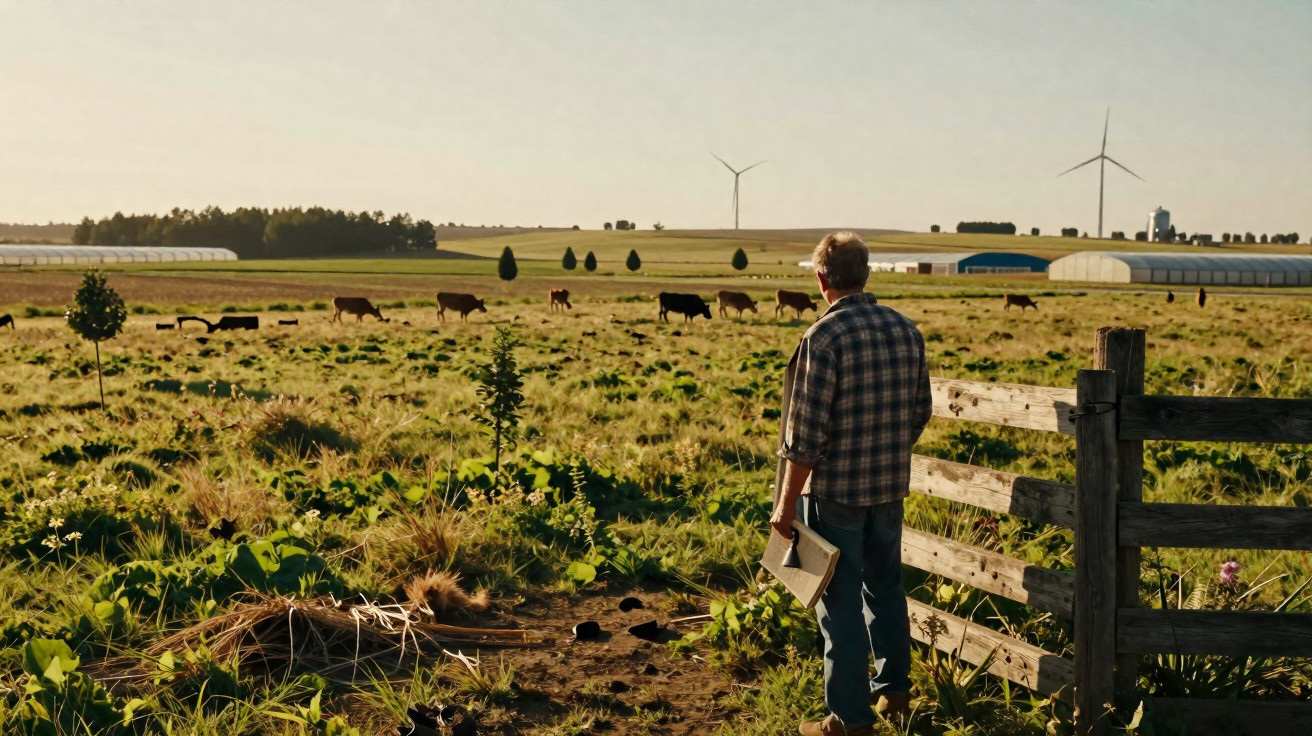
Without natural seed dispersers, reconnecting forests fragmented by modern crop farming and livestock activities would be impossible. These animals operate as genuine environmental engineers, carrying plant life to places once regarded as entirely barren and without any prospect of ecological renewal occurring spontaneously.
The effectiveness of this transport exceeds conventional large-scale direct planting methods because the process is constant. The main benefits of this continuous and free biological dispersal are detailed in the following points in this important guide to the preservation of our nature.
- A dramatic reduction in public financial costs for planting seedlings.
- Natural selection of plant species more resilient to the local climate.
- High germination rates enabled by animals’ digestive systems.
What lessons can we learn from this natural phenomenon?
The central lesson is that safeguarding animal species that disperse seeds ensures the long-term survival of tropical forests themselves. Investing in public policies firmly focused on conserving wildlife is the most intelligent route to securing the future of our threatened natural heritage.
By allowing nature to act freely, we discover that it has perfect solutions for reversing severe ecological destruction caused by human industries. Directing global efforts towards eliminating deforestation will allow life itself to restore planetary balance in a fully autonomous and sustainable way.
References: Biodiversity resilience in a tropical rainforest | Nature




Comments
No comments yet. Be the first to comment!
Leave a Comment