
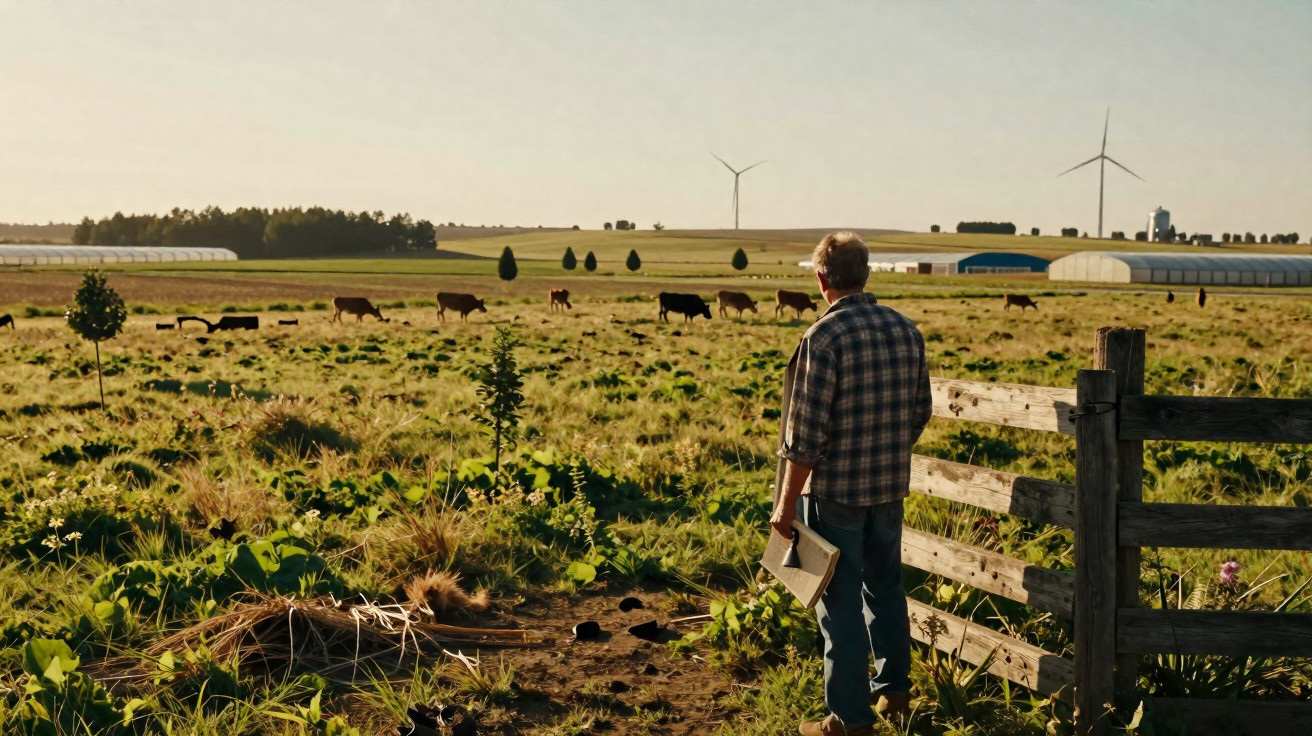
A world without cows may seem strange, but it poses pressing questions.
From climate calculations to employment in the countryside, eliminating cattle would affect nearly every part of the food system. Certain effects appear beneficial at first. Others would shift emissions and costs to less obvious places.
Climate math is more complicated than it appears
Removing cattle would eliminate a major methane source. Enteric fermentation in cattle accounts for a substantial portion of human-caused methane. Since methane is highly potent but short-lived, this reduction would lessen warming in the near term.
Climate accounting, however, does not end with methane. Grasslands used by herds lock carbon into deep root systems. In the absence of managed grazing, many pastures would change in either use or condition. Turning them into cropland can release carbon from soils. Badly managed fallow land may lose ground cover and emit nitrous oxide following fertiliser application.
Methane would fall quickly. Land‑use change and soil carbon could erase part of that gain if pastures move to intensive crops.
A cowless future also creates questions about replacements. Protein would have to be supplied by plants, microbes or other animals. This could mean additional factories, expanded cropland in certain locations and altered energy demands. The overall climate outcome would hinge on:
- The amount of pasture turned into annual crops rather than retained as protected grassland.
- Fertiliser application rates required to replace nutrients previously supplied by manure.
- Uptake of low-emission feed, fermenters and renewable energy for alternative proteins.
- Shifts in imports and exports that move emissions between countries.
Landscapes and wildlife would change
Grazing management helps create patchworks of grass, wildflowers and hedgerows. Ground-nesting birds, pollinators and small mammals often depend on these varied habitats. Without herds, some less productive land would become increasingly covered with scrub. That may benefit certain species while disadvantaging others. In dry areas, reduced browsing could allow fine fuels to accumulate, increasing wildfire risk.
When pasture turns to plough
Pastureland can interrupt cycles of soil erosion. It stabilises slopes, supports soil organisms and improves soil structure. Cultivating former grassland can release carbon held in the ground for long periods. It may also raise runoff and demand more inputs to maintain crop yields. If dairy farms disappear, local vegetable and grain producers lose a dependable supply of manure and bedding. Artificial fertiliser could make up some of the shortfall, but incorrect timing or application rates can increase nitrous oxide emissions.
Grasslands with ruminants can act as carbon vaults. Break the vault, and the climate tab comes due.
Food systems under pressure
Cattle provide more than beef and milk. They convert crop residues, palm kernel meal, citrus pulp and distillers’ grains into food. They also turn steep, stony or wet ground-where tractors cannot work-into calories and income. Without this role, some by-products would be diverted to lower-value applications or need to be disposed of.
- Fertility: Manure helps maintain soil structure and microbial life. Its loss would make farms more dependent on mineral fertilisers and compost from alternative sources.
- Feed cycles: By-products would require alternative markets, frequently involving processing and transport costs.
- Diet: To meet amino acid requirements, households would depend more heavily on pulses, cereals, nuts and microbial proteins.
| Area | With cattle | Without cattle |
|---|---|---|
| Soil fertility | Manure and grazing recycle nutrients; cover crops integrate with rotations | Higher reliance on synthetic N and imported amendments |
| Protein supply | Dairy, beef, gelatin, whey | Pulses, cereals, precision‑fermented whey/casein, cultured fats |
| Land use | Pasture and mixed farming systems | More annual crops or rewilding; regional variation |
| Rural jobs | Herds, vets, feed mills, creameries, hide processors | Plant protein plants, fermentation facilities; retraining needed |
| Risk | Disease outbreaks, price swings | Input price volatility, loss of nutrient cycles, acceptance hurdles |
Rural economies on the line
Cattle support livelihoods across many regions. Dairy farms keep lorries on the road, repair businesses working and schools open. Creameries also represent local identity and a sense of place. Removing herds would reduce demand for nearby services. Some communities could adapt by moving into plant processing or tourism. Others would face vacant barns and a smaller market for hay fields.
Take the cows away, and you do not just change diets. You redraw maps of work, trade, and memory.
Tourism would also be affected. Pastoral views, farm holidays, cheese trails and heritage fairs attract visitors. Without grazing, the appearance of the landscape would alter. Some areas would acquire a wilder feel, while others would lose the patchwork scenery many tourists anticipate.
The realistic path: fewer emissions, better herds
Most analysts expect greater progress from reforming cattle production than from removing it entirely. Feed additives including 3‑NOP and red seaweed can reduce methane for each litre of milk. Selective breeding can lower emissions further. Carefully managed rotational grazing improves soil carbon and water retention. Covered lagoons and anaerobic digesters can capture biogas for heat and electricity. Precision feeding reduces nitrogen losses.
What would replace the protein?
Plant proteins can expand rapidly when market conditions support them. Peas and soya provide strong amino acid profiles, particularly when fortified. Precision fermentation can now make dairy proteins-casein and whey-without cattle. These ingredients can be used in milk, yoghurts and cheeses while retaining familiar functions. Costs must still decrease, and production needs low-carbon energy if it is to achieve its full climate benefit. Consumer confidence and labelling regulations will also influence adoption.
Health and pricing dynamics
Dietary changes alter nutrient consumption. Iron, B12 and calcium need particular consideration when dairy and beef consumption falls. Supplements and fortified foods can address deficiencies, although access differs according to income. Prices will influence consumer decisions. If cattle leave the system, alternative products may become more expensive in the short term until new capacity is available.
What a simple scenario shows
Consider a mixed-farming area in which grass accounts for half of all farmland. Cattle are removed in year one. Methane drops sharply. By year three, 30% of pasture shifts to annual cropping. Ploughing reduces soil carbon. Nitrogen fertiliser use increases by double digits. By-products from nearby breweries no longer have a feed market and need new logistics. Overall emissions continue to decline, though by less than early headlines imply. Employment moves towards a pulse-processing plant, but a dozen service businesses connected to dairy farms shut down.
Practical signals to watch next
Three measures indicate where the balance will settle:
- Pasture fate: protection and payments for grassland carbon, or rapid ploughing for crops.
- Protein tech costs: the price per kilo of precision‑fermented whey and casein over the next five years.
- Nutrient cycles: manure replacement strategies that keep soils alive without raising nitrous oxide.
For households, modest changes can quickly make a difference: replace one daily dairy serving with plant-based or fermented alternatives; select cheeses from low-methane herds; and back farms using adaptive grazing. For policymakers, combined measures are most effective: incentivise soil carbon in grasslands, support feed additives and establish early markets for low-carbon proteins. The aim is consistent emissions reductions while maintaining covered soils, clean rivers and active rural high streets.





Comments
No comments yet. Be the first to comment!
Leave a Comment