
It grips your jaw, hitches a ride on your breathing and steals your focus at traffic lights. A psychologist explained it to me plainly: small acts of kindness are not simply “nice”. They are somatic cues that show your nervous system how to settle and remain stable when life lurches. That is power of another sort.
A woman queuing at the chemist was searching through her bag as though it had completely devoured her wallet. The man behind her fidgeted, breathed out, then offered to cover the £7 co-payment. The pharmacist paused. The woman’s shoulders lowered by an inch. For a moment, even the fluorescent buzz appeared quieter. A psychologist later told me that her heart rate probably slowed at that very counter. Not because of the cash, but because her body had received a safety signal. I imagined her stepping into the late sunshine with a changed rhythm in her chest. Something had moved.
How kindness affects your nervous system
Kindness reaches the body like a gentle hand easing onto the brakes. When you do something for another person-keeping a door open or sending a brief “thinking of you” message-your vagus nerve receives a welcoming prompt. This engages the parasympathetic system, helping your pulse slow and your breathing deepen. It is not vague philosophy; it is physiology.
Most of us know the feeling: a stranger smiles, and you find yourself breathing more freely without knowing the reason. Researchers describe these as “micro-moments of connection”. Laboratory studies suggest that even fleeting eye contact, combined with a warm voice, can increase heart rate variability, an indicator of stress resilience. The body picks up warmth, gentleness and prosody. Your biology does not wait for a TED Talk; it adjusts live.
The psychologist compared it with exercising a muscle. Each modest kind act is one repetition for your “social safety” circuitry. With repetition, old habits of prioritising threat are pruned back, while calmer routes are reinforced. Oxytocin increases, the HPA axis settles, and your automatic reaction to everyday disruptions becomes gentler. Kindness will not remove pain. It shows your system where its brakes are-and helps it apply them more quickly next time.
Micro-acts that shift your baseline
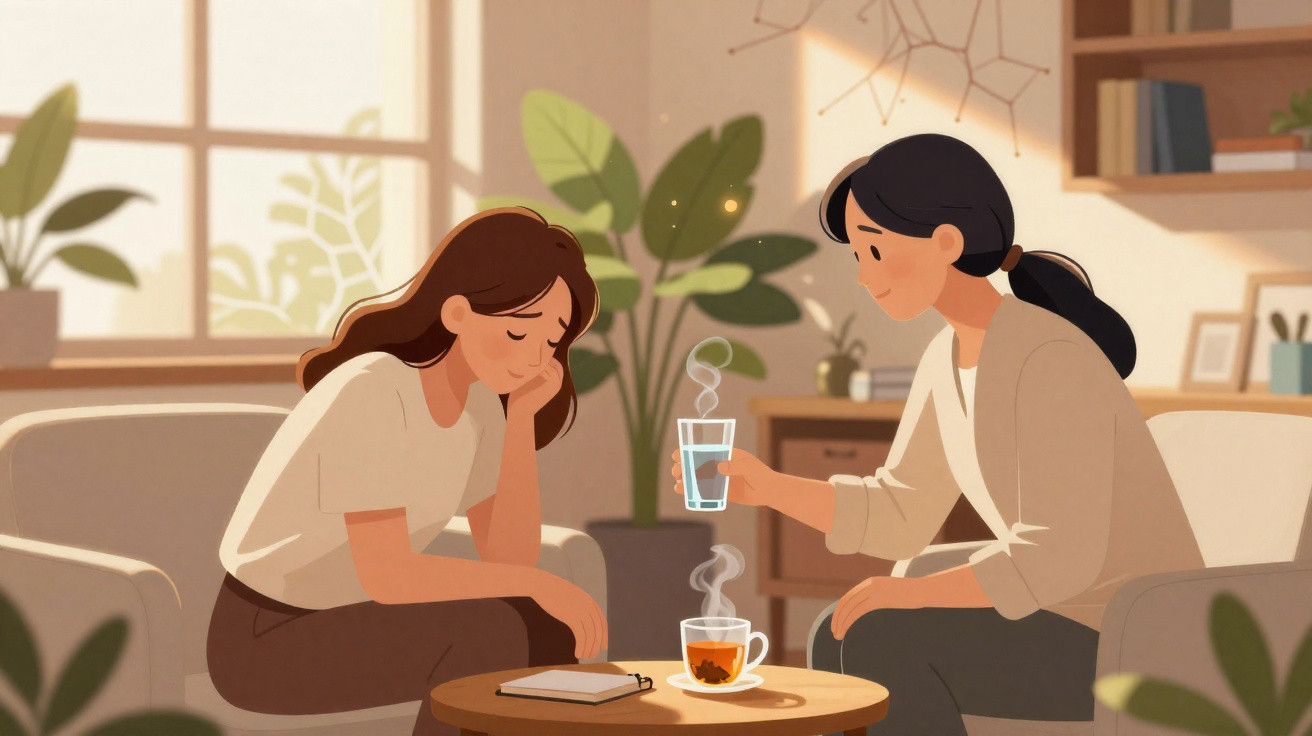
Begin very small. Pick one daily “kindness rep” requiring less than 60 seconds: write a three-line thank-you, allow somebody to merge in traffic, pour a colleague a glass of water or message, “I’m rooting for you.” Afterwards, pay attention to your body. What happens in your chest? What happens in your jaw? That awareness is the update taking hold.
A frequent error is starting too ambitiously and then exhausting yourself. You do not require a grand gesture, a viral post or ten hours of volunteering this week. Honestly, nobody manages that every day. Consistency is what helps. Attach one action to a daily cue-after morning coffee, once you have parked or before closing your laptop. Make it manageable even on a difficult day. Particularly on a difficult day.
Consider three levers: pace, tone and presence. When greeting the barista, make your voice five per cent slower. Include a kind word in a purely transactional email. Give a friend your undivided attention for one minute while they answer, without interrupting. These cues quietly reduce the body’s alarm response.
“Kindness is not merely moral. It’s regulatory,” the psychologist said. “You’re telling the nervous system: you’re safe enough to share.”
- Kindness is a nervous system skill: approach it as practice rather than personality.
- Safety cues travel through your voice, eyes and timing-offer them freely.
- Practice beats intensity: one minute every day is more effective than occasional marathons.
The subtle mechanics that help kindness last
There is a reason a small kindness can soothe you even when you are the one giving it. Your brain reflects states. Softening your expression or voice communicates “no threat”, and your own body accepts the message. This is not pretence. It uses an inbuilt cycle: state influences signal, and signal influences state. Try it once and notice a tiny change. Repeat it daily and alter your baseline.
Prediction is another factor. The nervous system predicts constantly and prefers patterns. Consistent acts of kindness introduce a dependable “safe” input amid disorder. Across several weeks, your brain starts anticipating social ease and becomes less hyper-vigilant. This is how resilience develops quietly: not through heroic events, but through ordinary mornings that show your body it can breathe out.
There is a pitfall, however. Kindness is not self-erasure. If you keep giving beyond your limits, your body will interpret it as threat rather than safety. The answer is straightforward: keep the action within your window. When you are close to the edge-irritable, foggy or wired-make the gesture smaller. Write a sticky note. Give a nod. Take a considered pause before responding. Your capacity is important, because your nervous system listens to you before anyone else.
Fitting kindness into your day without forcing it
Try the “3-30-3” approach. For three seconds, relax your out-breath and soften your gaze. For 30 seconds, make one micro-gesture-send a supportive message, leave space in traffic or share a useful link. Then take three breaths and notice the afterglow in your chest and shoulders. This makes kindness a bodily cue rather than a chore. You may begin to want that reset.
Two gentle cautions apply. First, do not turn it into a reason to judge yourself: missing a day has not broken anything. Second, do not announce your kind acts in pursuit of credit; your nervous system needs no applause to learn. Keep your tracking light: place one dot in your calendar for each day you make a micro-gesture. Three consecutive dots signal momentum. If you do not get there, simply restart small. No drama.
Here is a psychologist’s guidance for times when your stress is intense and your capacity is limited. Start with the smallest social cue you can sincerely give: a warm “thank you” to the delivery driver, a slower tone in your next call or one genuine compliment during a meeting. Then notice your shoulders fall.
“When your voice softens, your physiology follows,” she told me. “Start with what you can control-tone and timing-and your system will meet you there.”
- Link kindness to an existing habit: after brushing your teeth, send one supportive message.
- Use “name and notice”: say, “I offered help,” then spend three seconds noticing your breath become easier.
- Keep a short menu: “Text, smile, slow voice, make space.” Choose one, not five.
- On challenging days, go microscopic: hold eye contact for one beat and nod. It still counts.
What happens when kindness becomes a reflex
When these gestures become habitual, something surprising occurs. You stop preparing yourself for every interaction. Meetings feel less like small-scale conflicts. Your concentration improves because your body is not spending energy on vigilance. Calm is not stress disappearing; it is a more gradual recovery curve.
Others notice as well. You become the person in the room whose tone helps steady the group. This is not about being relentlessly cheerful, but about providing dependable safety cues. Other people’s nervous systems detect them and reflect them back to you. That is kindness’s quiet return: it builds on itself.
During difficult weeks, these practices will not solve everything. They give you something to hold on to. You can ground yourself through one breath, one gentle word or one small helpful act that brings you back to the present. Slowly, your baseline changes. The world does not become easier; you become steadier within it.
| Key point | Detail | Benefit for the reader |
|---|---|---|
| Kindness signals safety | Activates vagal pathways, boosts HRV, eases cortisol spikes | Quicker calm during everyday stress |
| Repetitions reshape wiring | Small, repeated acts build lasting parasympathetic habits | Resilience that remains under pressure |
| Keep it small and daily | “3-30-3” and habit pairing make it achievable | Consistency without burnout |
FAQ:
- Does kindness help if I’m the giver, not the receiver? Yes. Your own safety cues-soft tone and warm eye contact-feed back to your brain and soothe your physiology.
- How quickly can the nervous system respond? Often in seconds. Breathing, vocal prosody and facial cues can alter heart rate and tension almost immediately.
- What if I feel fake doing this? Begin smaller and remain honest. Give only what you truly mean. Genuine micro-gestures still convey the signal.
- Can I overdo kindness and exhaust myself? Yes, if you disregard your limits. Keep actions within your capacity and reduce them on difficult days.
- Is there a best time of day? Attach it to regular routines-morning coffee, your commute or winding down-to create reliable wiring.





Comments
No comments yet. Be the first to comment!
Leave a Comment