
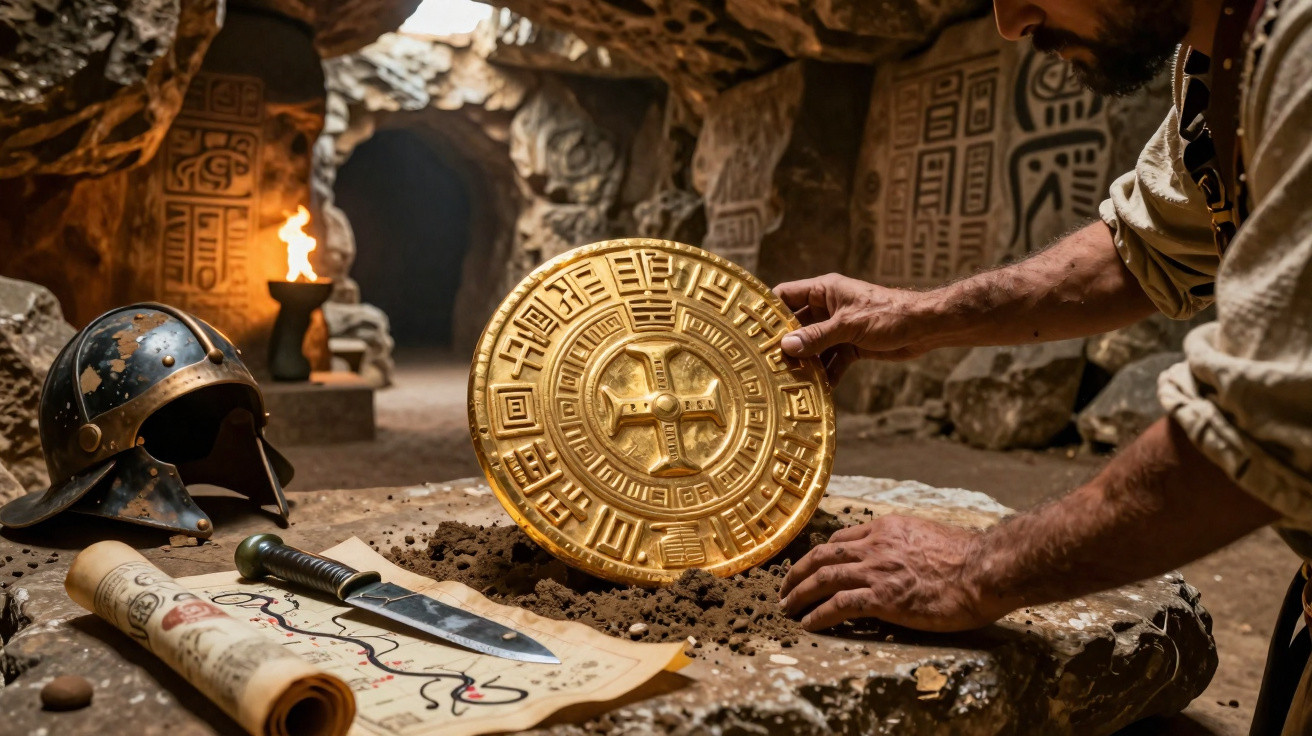
The disappearance of the legendary Aztec riches remains one of the greatest mysteries in world history. When Spanish troops invaded the magnificent capital of Tenochtitlán, they found emptied palaces, fuelling accounts of secret chambers and secure routes allegedly devised by Emperor Montezuma to safeguard relics.
How did the legend of Montezuma's gold begin?
Early accounts describe rooms filled with precious artefacts kept by the ruling elite in central Mexico. The golden metal embodied spiritual authority and supreme political power, arousing the violent greed of the conquistadors, who sought immediate enrichment through the plunder of the native empire.
As the foreign advance continued, local rulers arranged urgent measures to shield sacred ceremonial objects. The imperial court used underground complexes to move valuable riches, preventing commander Cortés from immediately taking possession of the ceremonial collection amassed over entire generations.
Where did the Knights Templar hide their sacred relics?
Historical records reveal that the legendary order used secret underground passages to protect sacred objects before their pursuers arrived… Read more
Which structures protected the riches from invaders?
Pre-Columbian urban engineering included hidden passageways beneath the city’s majestic temples and palaces. These discreet corridors functioned as strategic storehouses and defensive labyrinths, making it difficult to rapidly locate the gold coveted by the invading European soldiers.
Over the centuries, numerous passageways collapsed, turning former repositories into almost impenetrable archaeological mysteries. Builders employed advanced methods to conceal strategic entrances, ensuring that the valuable heritage remained beyond the reach of unauthorised groups.
Below, a video from the HISTORY YouTube channel presents crucial details about the archaeological investigations:
Why did the Spanish troops fail to find the treasure?
When they entered the royal quarters after the military siege, the colonisers encountered silent, empty rooms. Aztec leaders had coordinated the early removal of sacred resources, thwarting the ambitions of the expedition and keeping the location of the treasure under strict secrecy.
Thousands of inhabitants are believed to have begun a march towards remote regions, carrying valuable loads on their backs. This strategic mobilisation enabled ceremonial artefacts to be dispersed across vast territories, misleading their enemies and ensuring the survival of the traditions of that ancient civilisation.
Elements of Aztec protection
Defensive strategies
Resources used to safeguard the empire’s riches:
- Concealed chambers and underground passages built beneath palaces and sacred temples;
- Mass evacuation routes leading north before the Spanish occupation;
- Sacred symbols and secrets protected by lineages loyal to the sovereign.
What do modern excavations suggest about the escape routes?
Recent research examines material traces left along trade routes linking the Mexican plateau with the continental north. Specialists assess cultural similarities and linguistic connections among different native peoples, suggesting paths travelled by fugitives during the collapse of ancient Mesoamerican society.
Analysis of remote sites reveals evidence of human settlement adapted to severe environmental changes over time. These records help explain complex migratory movements, offering fresh perspectives on the fate of the sacred items removed from the imperial capital.
Several factors help explain how this compelling historical dispersal took place:
- Identification of pre-Columbian trade routes extending for thousands of kilometres;
- Preservation of dialects and shared linguistic influences among northern and southern groups;
- Discovery of archaeological artefacts in caves and isolated ancestral settlements.
How is the ancestral land connected to this mystery?
Ancient oral traditions referred to a mythical northern homeland, known in these accounts as Aztlán. Guided by deep-rooted beliefs, surviving groups may have returned to this sacred territory, carrying their symbolic legacy in order to protect it from total destruction.
Even without definitive confirmation of the location of the gold objects, research continues to reveal remarkable aspects of this culture. The search for the lost treasure keeps interest alive in American history and in the complex achievements of that extraordinary pre-Hispanic society.



Comments
No comments yet. Be the first to comment!
Leave a Comment