
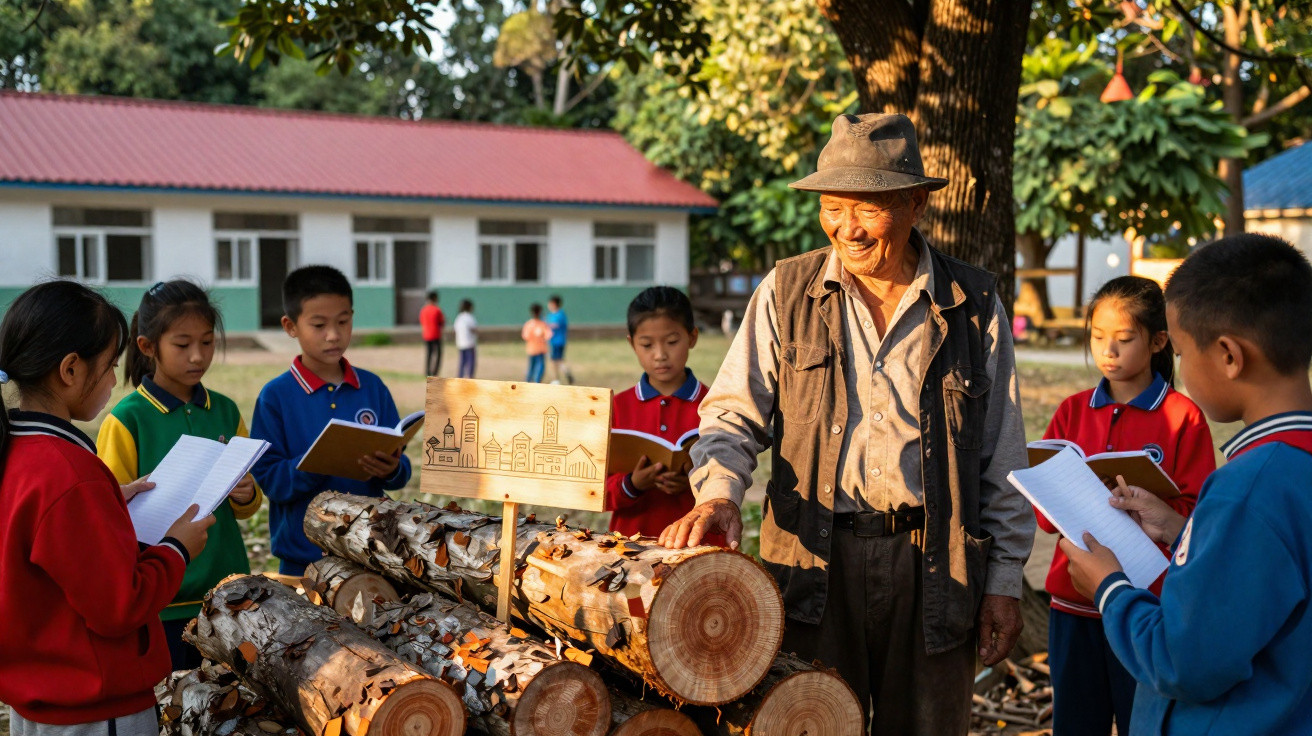
In the morning, as children arrive outside the school, nobody is really thinking about the oak trees growing a few kilometres away. Schoolbags bump against coats, the playground is already ringing with noise, and the woodland seems to belong to another world. Yet in this small local authority area, part of school life depends directly on a decision made in 1968: buying 80 hectares of forest to prevent it from disappearing through sales, subdivision or property development. Several decades after that seemingly low-key choice, the trees have matured, felling has been carefully planned, and the forest generates enough income to help fund the local school. It is a story about roots in every sense of the word.
In 1968, buying woodland rather than letting it go
In the late 1960s, local councillors were not looking for a financial windfall. Above all, they saw a threatened part of the landscape: 80 hectares of woodland that could have been sold off in plots and lost its unity. In villages, we all know how a council decision can initially seem distant, almost administrative, before becoming very real in residents’ everyday lives. Purchasing the forest meant retaining a living space, safeguarding paths, wildlife and mature trees, while also preserving a measure of collective freedom.
The local authority therefore made a purchase that may have appeared modest on paper but represented a major commitment for a small budget. Eighty hectares are not simply a green area on a land register: they are plots requiring supervision, access routes that need maintaining, trees that must be allowed to age, and others that need harvesting at the right time. The decades passed without any immediate miracle. Then thinning, scheduled felling and timber sales began to provide regular income, sufficiently reliable to help finance the village school.
The principle is straightforward: a properly managed forest does not deliver identical income every year, but it can serve as a lasting reserve. Trees grow slowly, sometimes far too slowly for an age accustomed to quick results. Forest time bears no resemblance to the timescale of a council term. The councillors who bought this land in 1968 may never have seen all the benefits, and that is exactly what makes their decision distinctive: they invested for children they would never know.
How woodland becomes a resource for village life
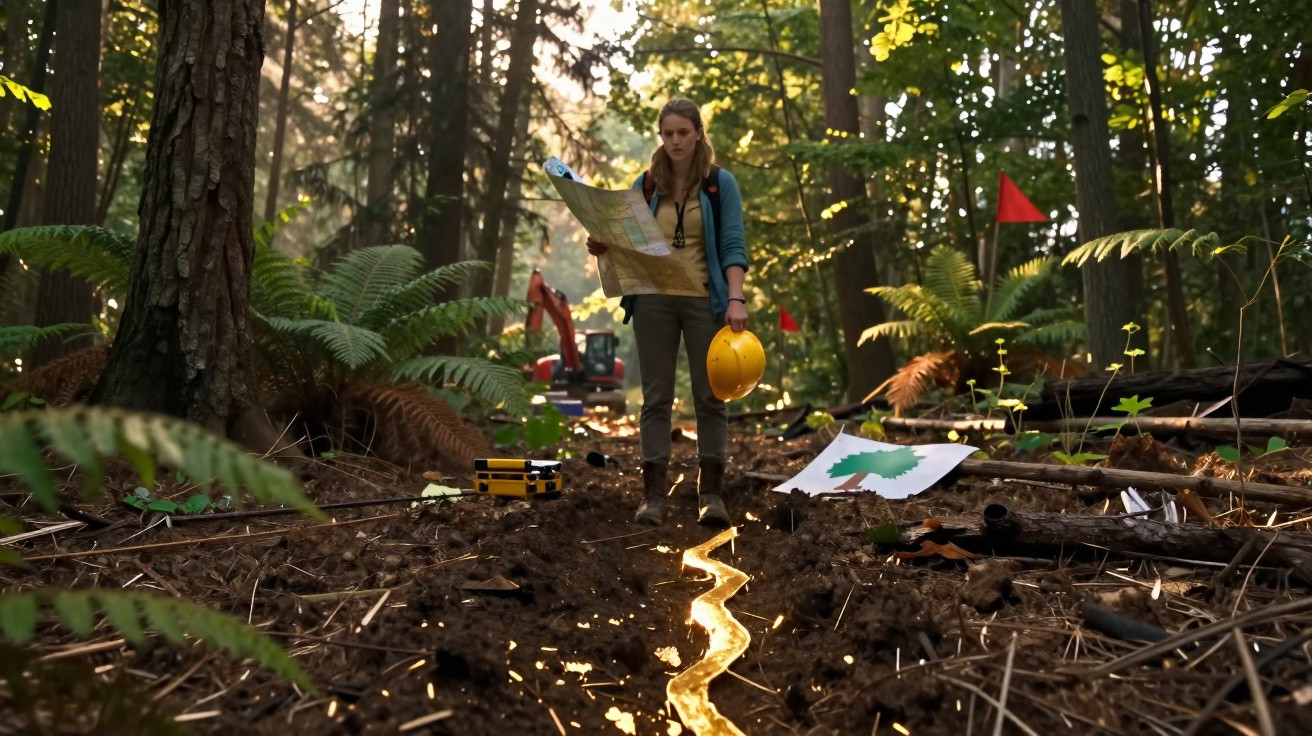
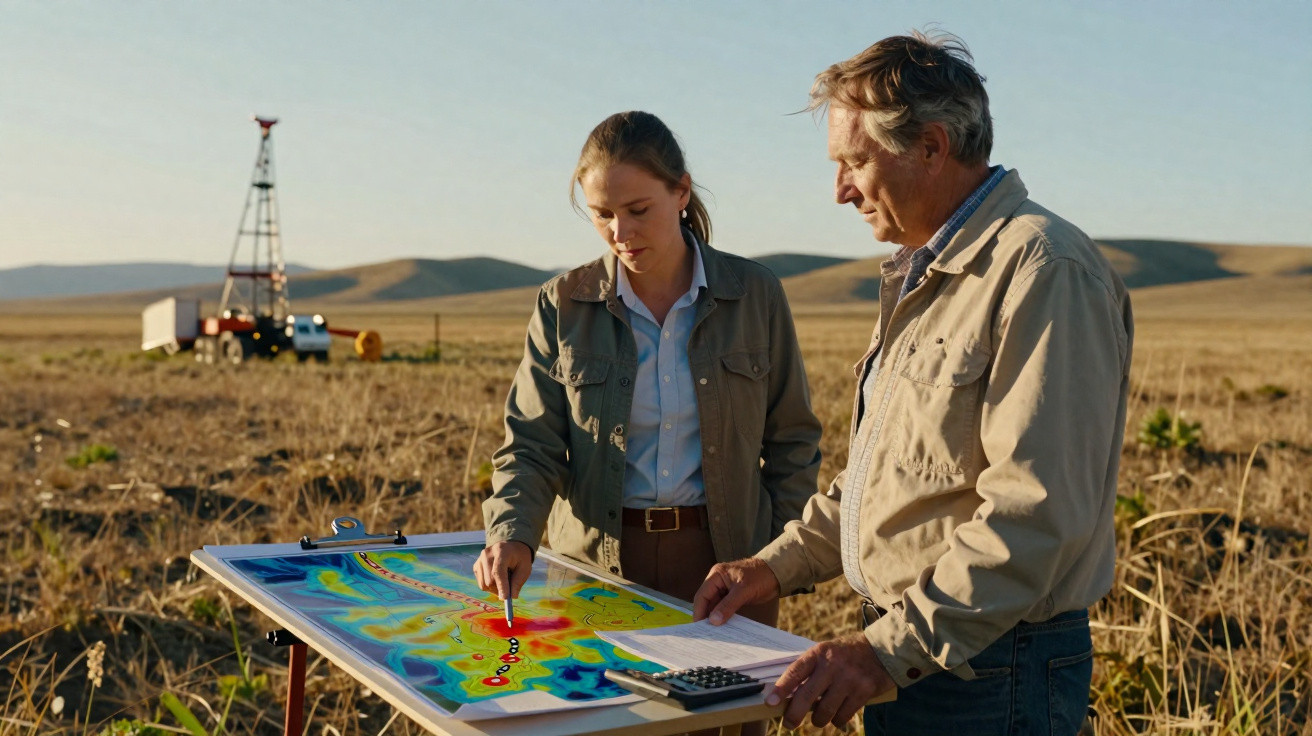
For a local authority wishing to take this approach, the first step is to understand its woodland assets precisely: plot boundaries, tree species, tree health, vehicle access and the age of the stands. A management plan prepared with forestry professionals prevents random felling or woodland decline caused by a lack of monitoring. This is not about turning councillors into foresters. It is about setting a sensible direction, with appropriate felling and a perspective extending well beyond a single budget year.
The most common mistake would be to treat a forest as a cash machine. Excessively harsh felling may bring in a one-off sum while weakening future income and damaging the landscape valued by residents. Let us be honest: few people think every day about what will generate returns in thirty, fifty or sixty years. Yet patience remains the best ally of a community forest, particularly when its income is intended to support useful expenditure such as the school, canteen or maintenance of public buildings.
Good management brings together councillors, forestry officers, residents and sometimes teachers, as the forest can also become a place for learning. One local councillor often sums up this philosophy as follows:
“We are not selling trees; we are looking after a shared asset that serves the village.”
The points requiring attention are highly practical:
- plan gradual felling rather than large-scale harvesting;
- replant, or encourage natural regeneration, after trees are removed;
- reserve part of the income for maintenance, paths and unforeseen costs;
- explain to residents why certain trees are being felled.
A forest that funds the school, with lessons beyond the village
Forest income does not arrive at the same pace every year, as timber prices vary according to the year, the species and demand. A prudent local authority therefore does not promise a fixed amount at every new school year. It can, however, allocate part of the revenue to its education budget: classroom work, equipment, activities, heating or the retention of a local service. The forest then becomes budgetary support, rather than a magic solution. That distinction matters, because it protects the project from disappointment and headline-grabbing promises.
What stands out in this story is not merely the profitability achieved over time. It is the way an environmental choice, made to prevent something from vanishing, eventually supports a deeply human need: enabling village children to learn close to home. Families see the school, walkers see the trees, and the two realities are connected even though they do not always meet. One protected hectare can have several lives: a haven for biodiversity, a place to walk, a source of local timber and a resource for public services.
This experience raises a wider question for rural local authorities, which are often expected to do a great deal with limited means. Should they sell land to ease their accounts immediately, or retain it while considering what it may provide later? There is no universal answer, since every area has its own soil, climate, finances and history. However, the example of these 80 hectares highlights a sometimes-forgotten truth: local authority assets are not static entries in an inventory; they can become a means of quiet resilience against the decline of public services.
At a time when many villages are seeking ways to retain their school, shop or village hall, this forest offers another way of counting. The gains are not measured solely in the pounds generated by timber sales, although that money genuinely helps keep the local school going. They can also be seen in the continuity of a landscape, in school outings beneath broadleaved trees, and in the paths passed down by older people to younger generations. Looking back, the 1968 decision may seem almost ordinary. It was not. It required faith that a tree planted, protected or simply allowed to grow could one day pay for part of the future.
| Key point | Detail | Added value for the reader |
|---|---|---|
| A purchase planned for the long term | The local authority acquired 80 hectares of woodland in 1968 to prevent their loss or subdivision. | Understand how a land decision can protect an area for several generations. |
| Gradual forest management | Felling, maintenance and tree renewal make it possible to generate income without exhausting the forest. | See how environmental protection, financial caution and local timber use can be reconciled. |
| Practical support for the school | Forest income contributes to funding the local authority’s school budget. | Discover how a natural asset can strengthen local public services. |



Comments
No comments yet. Be the first to comment!
Leave a Comment