
ADD ZONA MILITAR ON GOOGLE
Why add us? Receive Zona Militar news through Google.
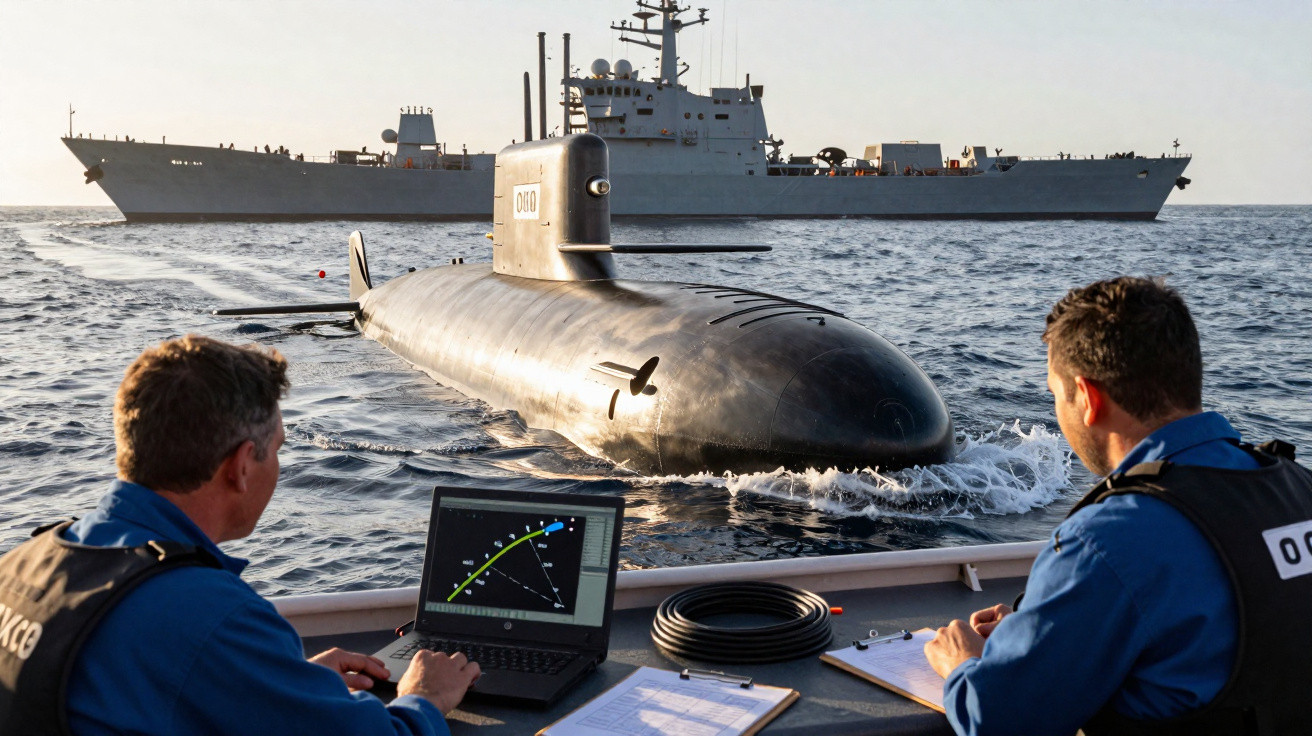
India could soon move closer to finalising its long-awaited purchase of six German TKMS Type 214 submarines, a deal worth more than US$8 billion intended to strengthen the Indian Navy. According to information attributed to official sources speaking anonymously, Project 75(I) is expected to be submitted shortly to the Cabinet Committee on Security. The committee will consider issues involving construction of the vessels in India and the final project’s technical specifications.
👉 Read more: US Air Force declares Initial Operational Capability for the new MH-139A Grey Wolf helicopter to reinforce the nuclear arsenal
Project 75(I) and Type 214 submarine construction in India
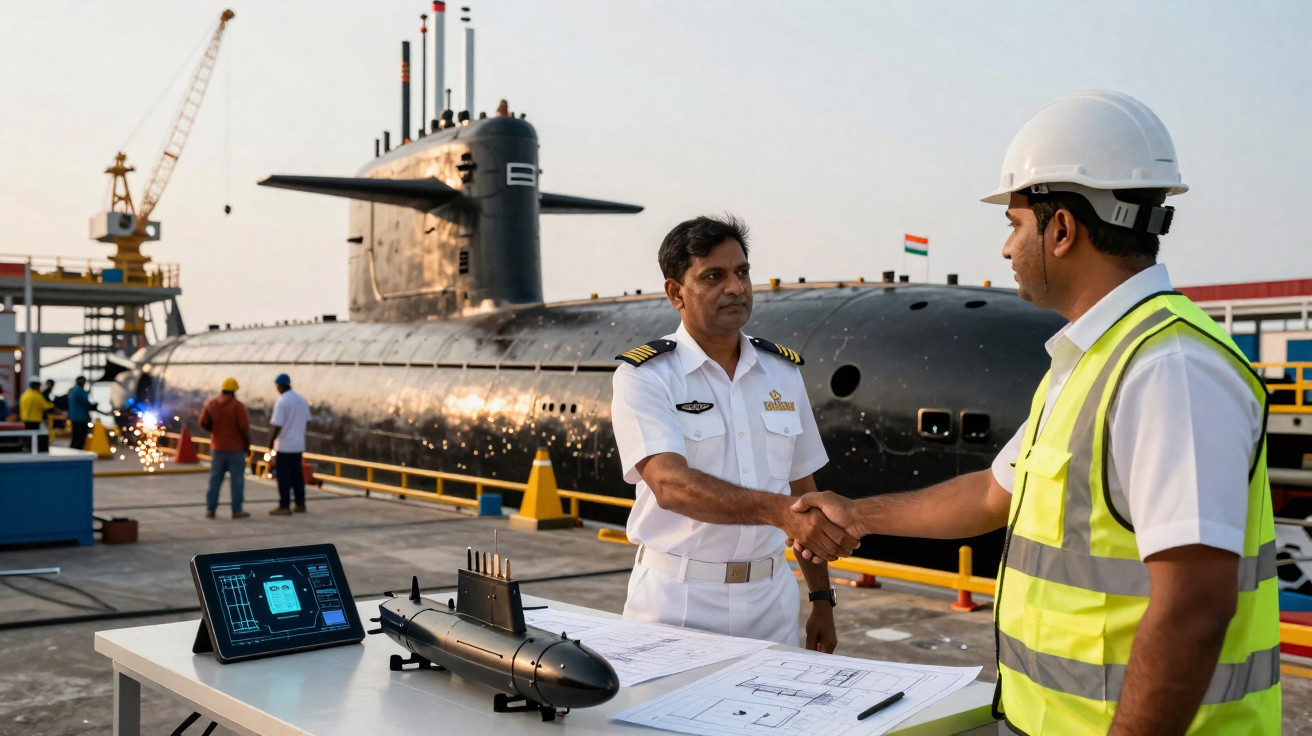
The six submarines are set to be built jointly by TKMS and its Indian partner, Mazagon Dock Shipbuilders Ltd. (MDL), at the company’s facilities in Mumbai. Although domestic industrial participation is a central element of New Delhi’s defence policy, the commercial terms discussed so far have been among the main reasons for the programme’s repeated delays.
For the Indian government, acquiring the Type 214s is also intended to expand the capabilities of its shipbuilding industry. The aim is to go beyond a model confined to assembling components, securing the technological capabilities and expertise needed to progressively lessen reliance on overseas suppliers. Achieving this requires an extensive technology-transfer and technical-knowledge agreement, particularly if India intends to develop and improve its own designs in the future.
📌 You may also be interested in:
- South Korean Navy: KSS-III Dosan Ahn Chang-ho submarine completes historic Pacific mission
- US Air Force deploys B-52H bombers to Australia to reinforce the Indo-Pacific
AIP, electronic warfare and Indian industrial partners
Among the technologies regarded as essential are the Air-Independent Propulsion (AIP) system and the electronic warfare equipment planned for the submarines. These capabilities carried significant weight in selecting the German proposal. During the process, the S-80 design promoted by Spain’s Navantia was eliminated from the competition.
Even before final approval, TKMS has been building a network of Indian suppliers and industrial partners that could take part in manufacturing the new submarines. The company has signed an agreement with VEM Technologies to support the development and production of heavyweight torpedoes, while a separate arrangement with CFF Fluid Control covers the manufacture of anti-submarine warfare systems. A partnership with the Defence Research and Development Organisation (DRDO) also remains a strong possibility.
Replacing the Sindhughosh class amid regional modernisation
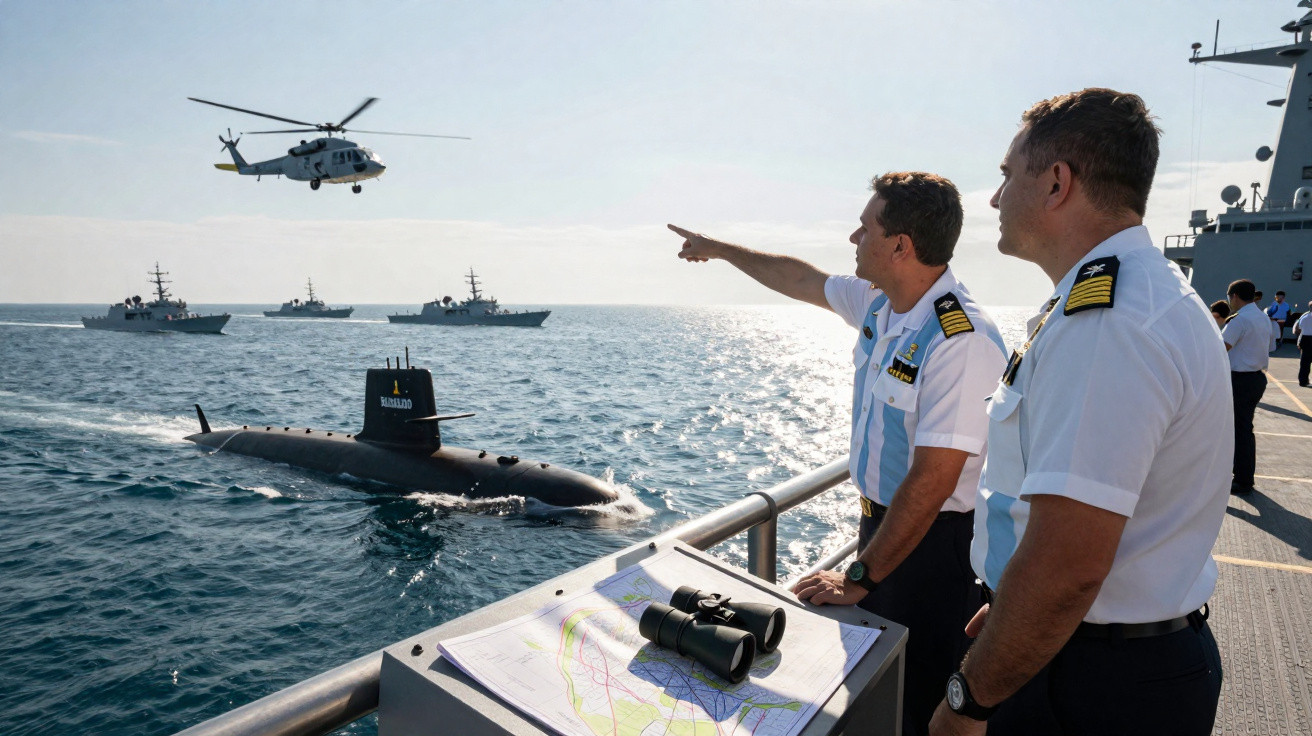
The need to unlock Project 75(I) is also connected to the renewal of India’s current submarine force. The Navy must identify a replacement for the Sindhughosh-class submarines, India’s designation for the Russian-built Kilo class, which entered service from the 1980s and eventually formed a fleet of ten vessels.
At the same time, New Delhi is seeking to keep pace with the naval modernisation of its principal regional rivals, China and Pakistan. Pakistan, in turn, has found a supplier in China for its new Hangor-class submarines, adding further pressure on India to speed up the renewal of its own submarine capabilities.
Images used for illustrative purposes.


Comments
No comments yet. Be the first to comment!
Leave a Comment