
FCAS faces renewed pressure
Germany and France have again extended the timetable for efforts to rescue the FCAS (Future Combat Air System) sixth-generation fighter programme, a European initiative now at its most critical point. The negotiations, which also include Spain, have been shaped by political and industrial disagreements that are holding back a system intended to be a cornerstone of continental defence. The situation has revived debate over leadership within the project, while leaving strategic decisions on technology development and joint investment unresolved.
Dassault Aviation’s chairman and chief executive, Eric Trappier, said his company has set itself a period of two to three weeks to establish whether an agreement can be reached to break the current deadlock. Speaking at the War & Peace security conference in Paris, he stated: “We are giving ourselves between two and three weeks to try to find an agreement.” He stressed that his company’s stance remains dependent on settling differences over control and industrial responsibilities within the programme.
Dassault Aviation and Airbus dispute FCAS responsibilities
Trappier also argued that the debate over the project’s direction exposes wider tensions surrounding the leadership of European defence. “We all want ‘a Europe of defence’, but the question is: who will lead it?” he said during his appearance. His remarks come as Dassault Aviation and Airbus continue to hold opposing positions on the management of key programme tasks, an issue that has repeatedly contributed to FCAS delays.
FCAS involves the creation of an advanced air-combat system, with its overall cost estimated at roughly €100 billion. It is designed to combine a new sixth-generation fighter with uncrewed platforms, next-generation sensors and collaborative combat capabilities. Yet the absence of consensus among the leading countries involved has resulted in repeated postponements, casting doubt on both the schedule and the programme’s viability in its present form.
In March 2026, Germany, France and Spain had already faced a similarly uncertain situation, driven by political differences and industrial disputes between Dassault Aviation and Airbus. On that occasion, discussions between German Chancellor Friedrich Merz and French President Emmanuel Macron were seen as a potential turning point for putting the project back on track. However, German government sources said that no final agreement was reached, and decisions were deferred until mid-April.
Independent mediation for the Future Combat Air System
With progress still absent, Berlin and Paris then agreed to make a “last attempt at mediation between the industries,” led by independent experts. The process is intended to bring the positions of the companies responsible for technological development closer together and prevent the programme from collapsing. Meanwhile, Spain, represented by Indra, is awaiting decisions that will affect its strategic planning, future investment and innovation capabilities within the European framework.
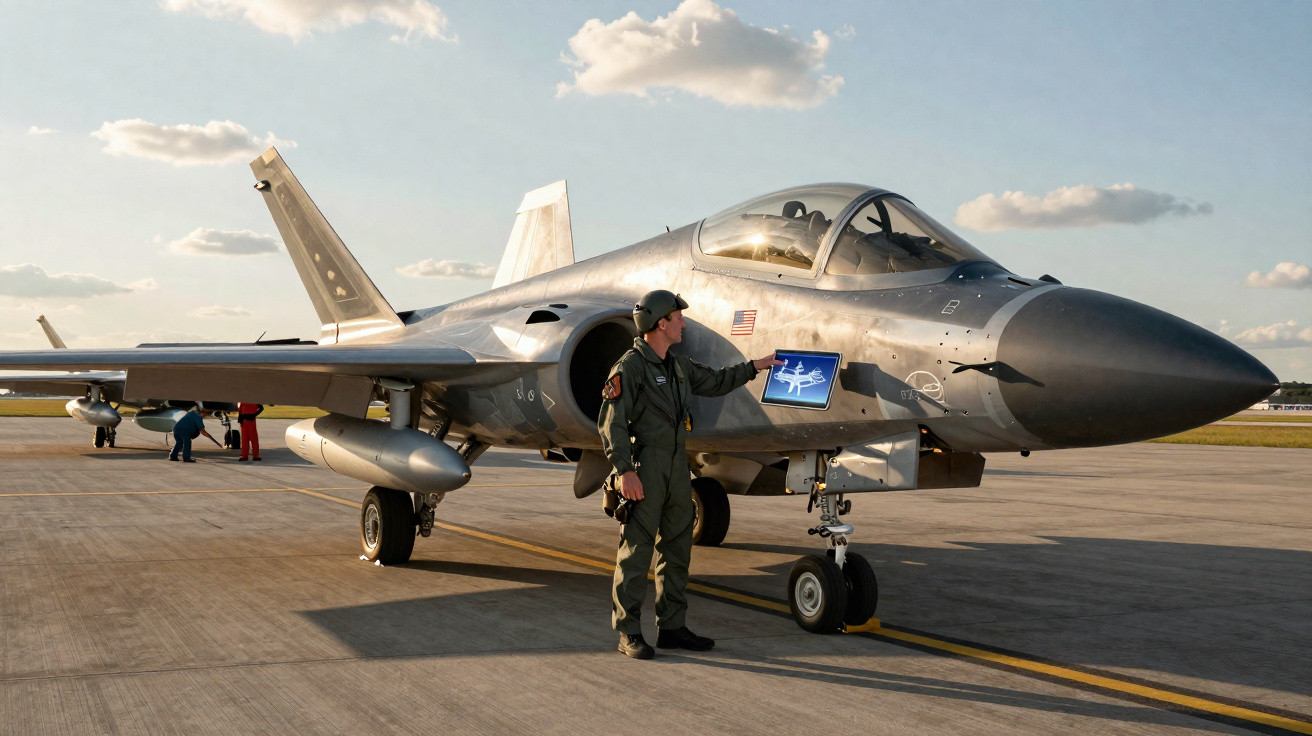
Images for illustrative purposes.

Comments
No comments yet. Be the first to comment!
Leave a Comment