
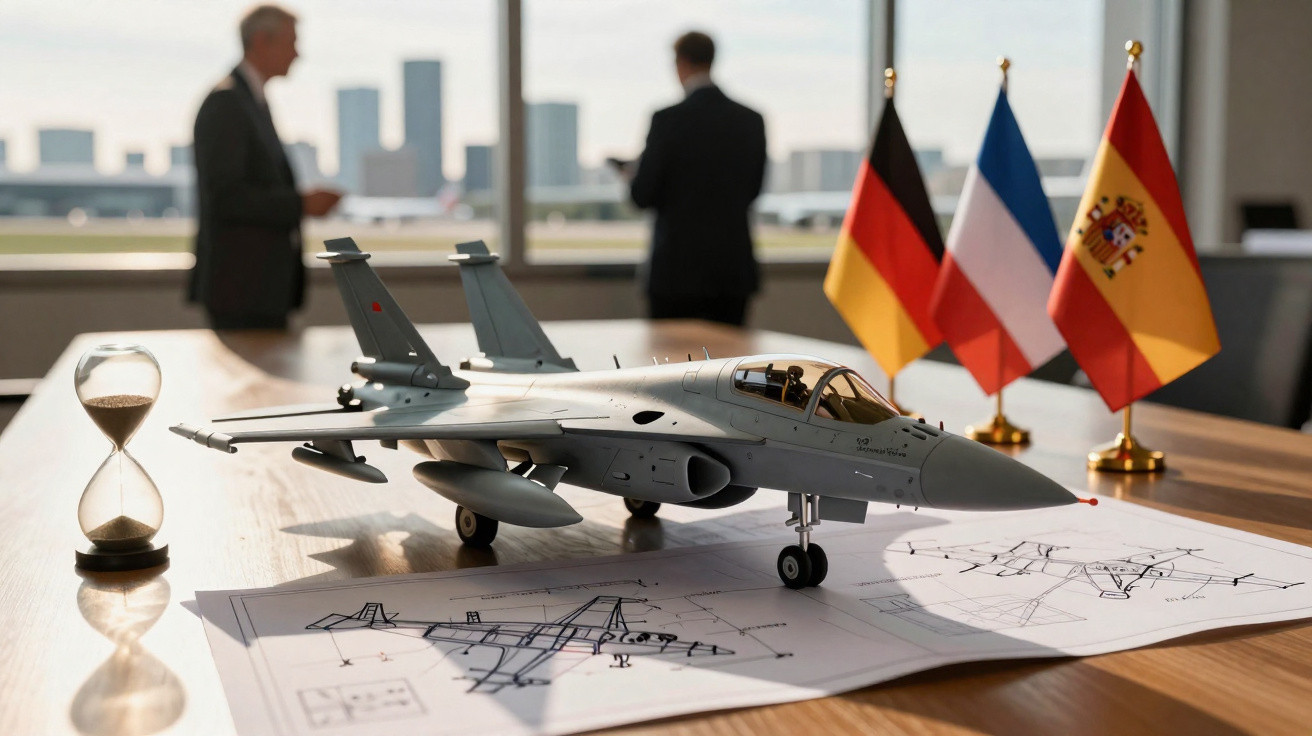
Germany and France have again pushed back the deadline for an effort to preserve the FCAS (Future Combat Air System) sixth-generation fighter programme, a European project now facing its most critical phase. Spain is also involved in the talks, which have been held up by political and industrial disputes over a system intended to serve as a cornerstone of continental defence. The impasse has revived questions about who should lead the project, while decisions on technology development and shared investment remain unresolved.
FCAS programme faces a decisive deadline
Dassault Aviation Chairman and CEO Eric Trappier said the company has allowed itself two to three weeks to establish whether a deal can break the present deadlock. Addressing the War & Peace security conference in Paris, he said: “We are giving ourselves between two and three weeks to try to find an agreement.” He stressed that Dassault Aviation’s stance depends on settling disagreements over authority and the allocation of industrial responsibilities in the programme.
FCAS is planned as an advanced air combat system with an estimated overall cost of about €100 billion. It is intended to combine a new sixth-generation fighter with unmanned platforms, next-generation sensors and collaborative combat capabilities. Yet the failure of the principal participating countries to reach common ground has produced successive delays, raising questions over both the schedule and the programme’s viability in its existing form.
European defence leadership and industrial responsibilities
Trappier said the disagreement about the project’s direction also illustrates wider strains surrounding leadership of European defence. “We all want a ‘Europe of defense,’ but the question is: who is going to lead it?” he said in his remarks. Dassault Aviation and Airbus remain at odds over the control of crucial work packages, a recurring source of delays to the project.
Germany, France and Spain await mediation
Germany, France and Spain encountered much the same uncertainty in March 2026, amid political divisions and industrial disagreements between Dassault Aviation and Airbus. A discussion between German Chancellor Friedrich Merz and French President Emmanuel Macron was seen at the time as a potential opportunity to restore momentum. However, German government sources said no final settlement emerged, with the decision deferred until mid-April.
With no progress achieved, Berlin and Paris subsequently agreed to a “last mediation attempt between the industries,” led by independent experts. The process is designed to narrow the gap between the companies in charge of technological development and prevent the programme from collapsing. Spain, represented by Indra, is meanwhile awaiting decisions that will shape its strategic planning, future investment and innovation capacity within the European framework.
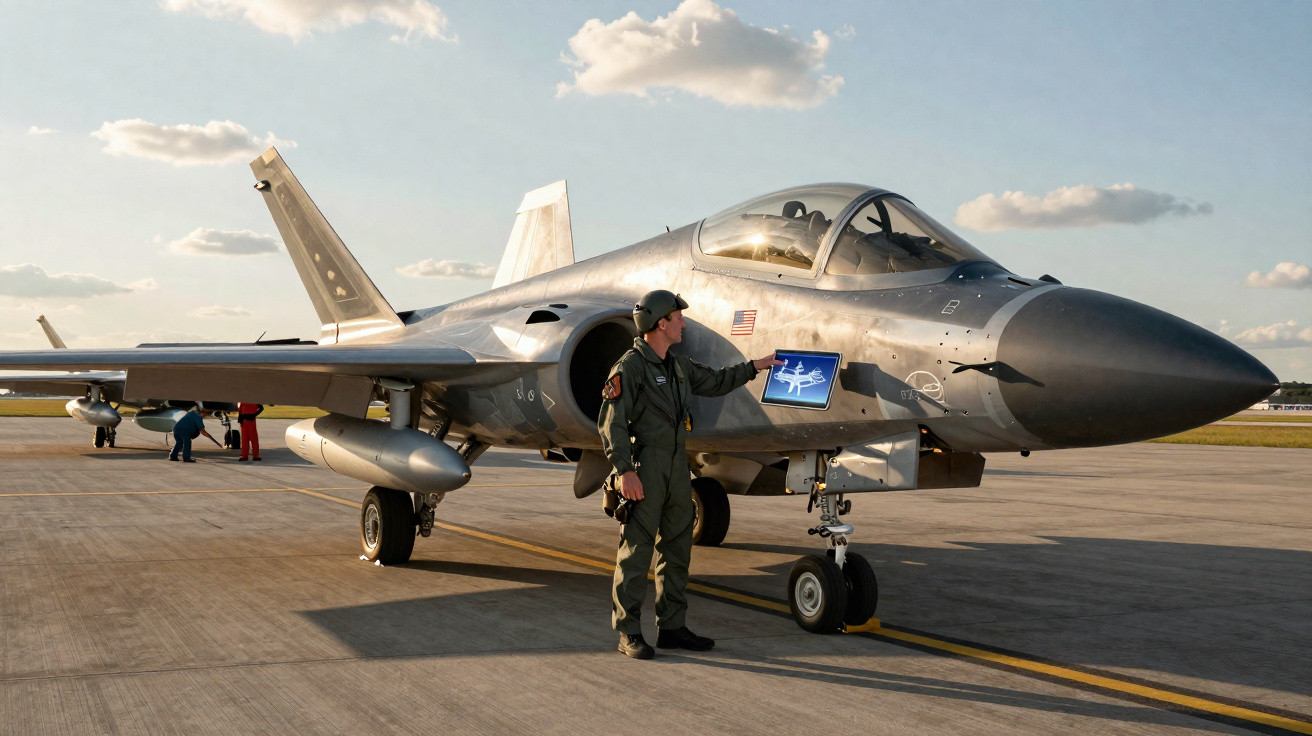
Images for illustrative purposes.
You may also like: Valkyrie: Airbus presented the collaborative combat drone with which it seeks to equip the German Air Force

Comments
No comments yet. Be the first to comment!
Leave a Comment