
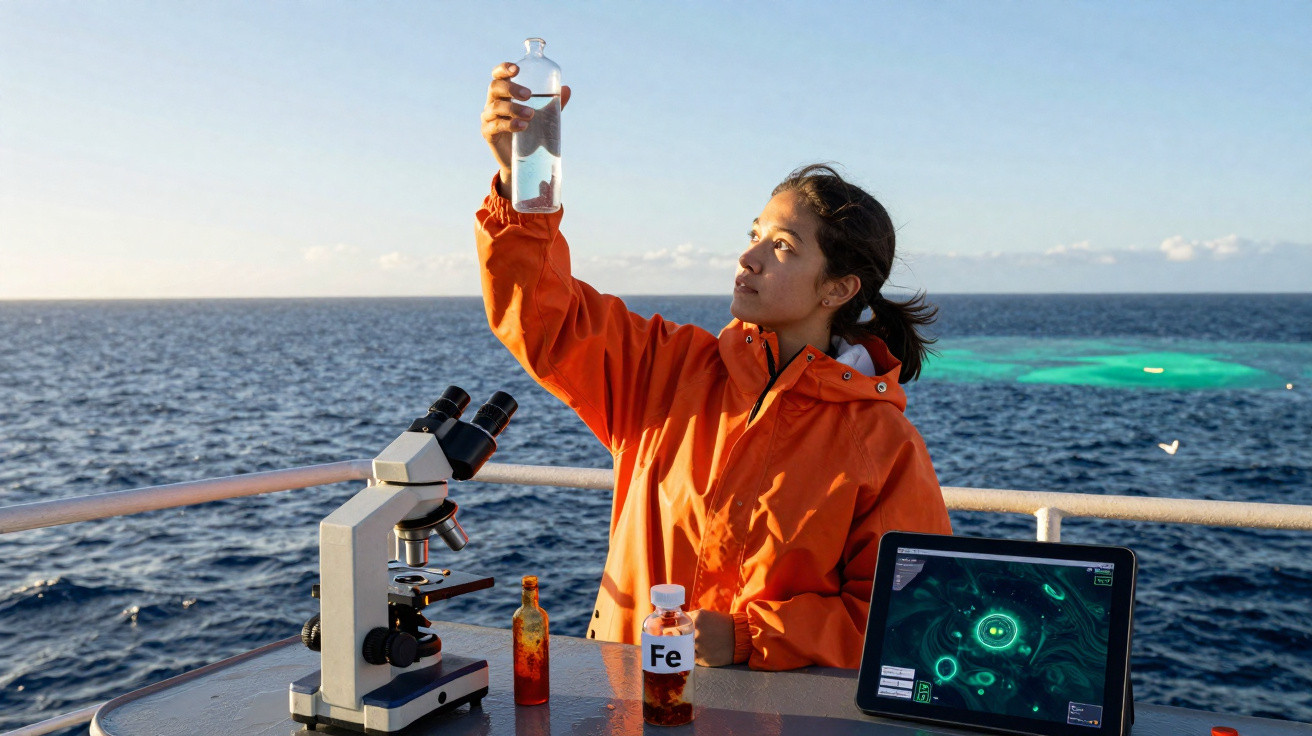
The deck vibrated beneath our feet while the winch clattered, hauling a seawater-dripping metal cylinder up from the dark blue depths. Nearby, several scientists in windbreakers followed its ascent, peering intently and clutching cups of coffee that had long since gone cold. A fine saline spray settled over everything: cameras, notebooks and laptop displays lit up with live readings.
A subdued murmur then moved through the group. The results had arrived. Iron concentrations were close to zero. One experienced oceanographer muttered an expletive, not from surprise but from tired familiarity. The same signature had appeared at site after site, stretching from the Southern Ocean to the North Pacific.
Deep beneath us, an unseen forest of phytoplankton was being starved.
That forest serves as one of the planet’s lungs.
The tiny green engines keeping the climate in balance are faltering
Hundreds of kilometres offshore, the ocean appears vast, formidable and inexhaustible. But the life sustaining this watery wilderness is astonishingly small: microscopic algae drifting near the surface, harvesting sunlight and taking in carbon dioxide. Phytoplankton are abundant enough for their blooms to be picked out by satellites, curling across the sea like trails of turquoise smoke.
In effect, they function as a global air-conditioning system. By photosynthesising, they absorb roughly as much CO₂ as all the world’s forests together. Once they die, part of that carbon descends into the deep ocean in a slow, silent release. Yet these minute organisms have a vulnerability that cannot be spotted from the surface.
They lack a metal that is indispensable to their survival.
At first glance, iron seems an unlikely limiting factor in the open sea. It is plentiful in land-based rock, essential to human blood, yet seawater is almost devoid of it in huge parts of the Pacific and Southern Ocean. Scientists refer to these areas as “HNLC zones”: High Nutrient, Low Chlorophyll. Put simply, nitrate and phosphate are available in abundance, but phytoplankton growth remains minimal.
A landmark experiment near the Galápagos made the issue strikingly clear. Scientists introduced tiny quantities of dissolved iron into precisely marked sections of ocean. In only a few days, water that had seemed empty produced a thick emerald-coloured bloom, photosynthesis surged and CO₂ uptake increased. Satellite imagery showed that neighbouring untreated waters remained pale and apparently lifeless.
The sunlight was identical. So were the nutrients. A small dose of iron altered the outcome.
At cellular scale, the explanation may sound complex, but it is fundamentally about metabolism. Phytoplankton need iron-rich proteins to power photosynthesis: transporting electrons, absorbing light and making sugars from carbon dioxide. Without enough iron, these microscopic plants can’t finish their photosynthetic “assembly line”. Instead, they operate below their potential, like a factory compelled to switch off half of its machinery.
Climate change and changing wind systems are intensifying the problem. The dust storms that once delivered iron from deserts to the ocean are shifting, polar ice is shrinking and circulation patterns are being disturbed. Reduced natural iron supplies mean slower phytoplankton growth, leading to less CO₂ being removed from the atmosphere. This feedback quietly strengthens global warming, despite receiving little attention in nightly news coverage.
Ocean iron fertilisation: from geoengineering ambitions to urgent practical action
Once researchers recognised that iron could accelerate phytoplankton growth, some quickly embraced an appealing proposal: could the ocean be deliberately “fertilised” with iron to cool the planet? Ships might disperse iron particles, plankton blooms could follow, carbon might sink and humanity could gain additional time. It had the feel of climate-themed science fiction.
Small, closely monitored pilot studies during the 1990s and 2000s tested the idea. Blooms appeared, sometimes on an impressive scale. Photosynthesis rose sharply, and some carbon did sink. However, the picture soon became more complicated. Outcomes differed from one trial to another according to currents, species and food webs. Every experiment also raised an unsettling question: what could be damaged by attempts to “fix” the ocean in this manner?
The grand visions of geoengineering were replaced by a more cautious and untidy reality.
It is a familiar situation: an apparently straightforward answer turns out to bring a web of consequences. During certain iron-fertilisation trials, scientists were concerned that nitrous oxide, a potent greenhouse gas, could increase. Other studies identified changes in plankton communities that might spread through the food chain, benefiting some species while harming others, including the tiny organisms on which fish larvae rely.
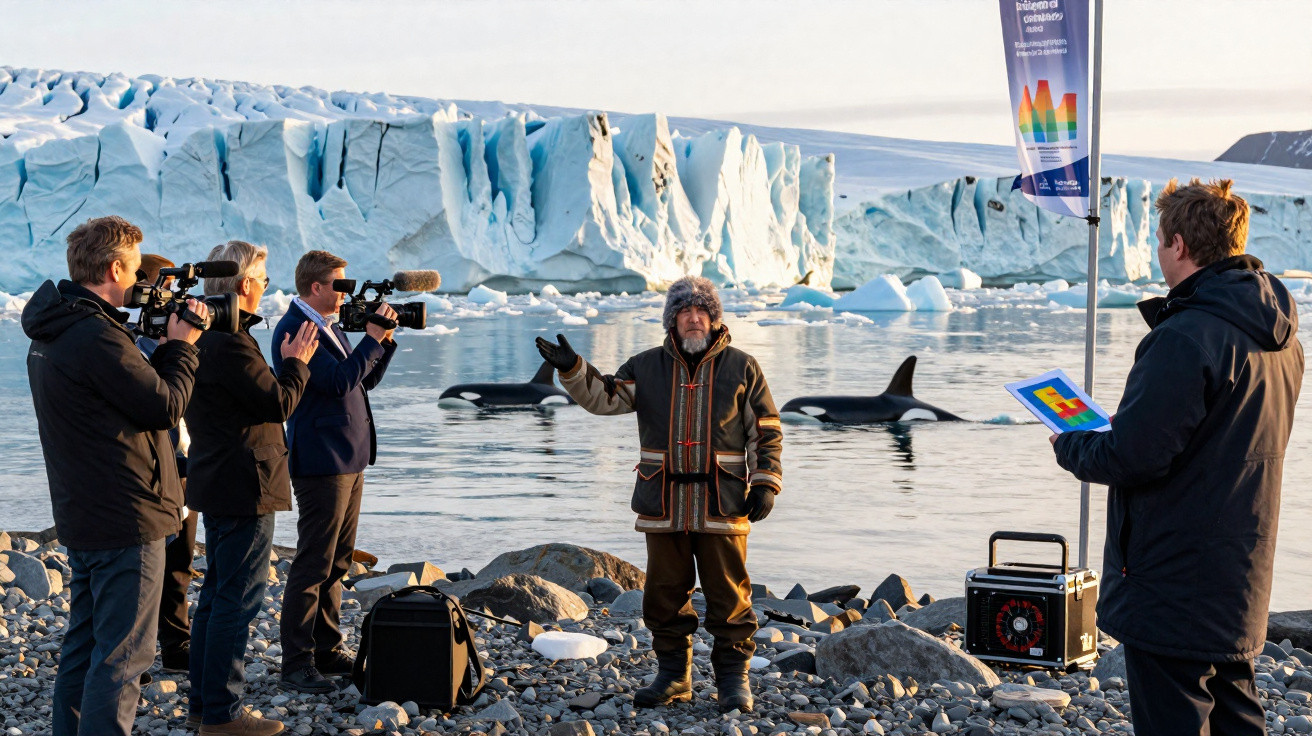
People in local communities, particularly coastal communities dependent on fisheries, began to raise direct challenges. Who has the authority to alter their sea? Who would be accountable if whale feeding areas moved or harmful algal blooms became more frequent? The reality is that nobody routinely weighs unseen global gains against immediate and highly visible local dangers.
For this reason, large-scale iron fertilisation remains caught in ethical, legal and ecological uncertainty.
Protecting the natural iron supply to phytoplankton
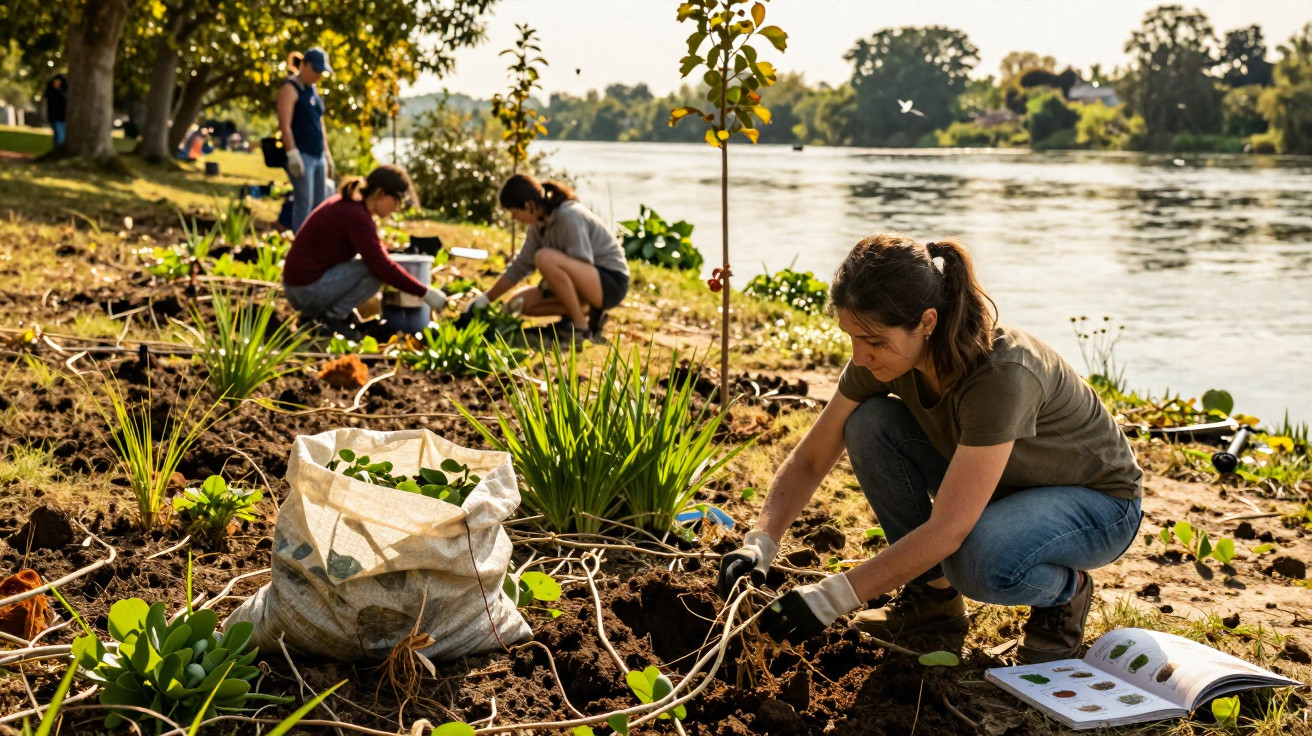
Against this uncertainty, ocean specialists are increasingly reaching a quieter conclusion: rather than imagining vast engineering interventions, the priority should be to prevent the natural iron supply from being cut off. This involves reducing soot and pollution that alter the movement of dust, safeguarding coastal wetlands that filter nutrients, and cutting emissions that disrupt winds and ocean currents.
One marine biogeochemist I spoke to put it bluntly:
“If we weren’t heating and acidifying the ocean so fast, phytoplankton would probably be doing a much better job on their own. Our first duty is to stop pushing them into a corner.”
Experts are gathering around several practical priorities:
- Reduce greenhouse gas emissions to steady winds, currents and dust pathways.
- Track iron-poor areas using improved satellites, drifting sensors and ship-based research campaigns.
- Assess small, transparent pilot schemes approved by communities before considering any wider intervention.
- Fund fundamental research into phytoplankton diversity, genetics and resilience.
- Include coastal communities and fishers in decision-making from the outset.
The ocean’s unseen crisis is a human story too
From a beach at sunset, the sea can seem eternal and almost unconcerned by human anxieties. Nevertheless, its chemistry is changing in ways that will influence everything from the air we inhale to the fish we eat. Iron scarcity across large marine areas is more than a specialist technical issue. It is another fracture in the climate system, gradually loosening the workings of a machine on which we rely every moment.
Behind the charts and abbreviations are deeply human choices. Scientists are divided between the desire to respond rapidly and concern about unintended harm. Coastal communities must balance present-day economic survival against future environmental threats. Young people are left to ask whether the ocean will be treated as a partner, or as a place to discard supposedly clever schemes.
Phytoplankton cannot vote, campaign or take to the streets. But their weakening photosynthesis carries a warning. We must choose to hear it, discuss it with others and demand policies that recognise both scientific complexity and a simple fact: no app or technology can replace a living, breathing ocean.
| Key point | Detail | Value for the reader |
|---|---|---|
| Phytoplankton need iron | Iron is vital to their photosynthetic machinery and growth | Helps you understand why a “trace” element can shape the global climate |
| Iron shortage slows CO₂ uptake | Vast ocean areas contain nutrients but very little iron, restricting blooms | Explains how unseen ocean chemistry affects the air you breathe |
| Actions must be cautious and systemic | Cut emissions and carry out careful research rather than pursuing blind geoengineering | Offers practical perspectives for following, supporting or debating climate solutions |
FAQ:
- Does adding iron to the ocean really work? Small experiments indicate that adding iron can produce major phytoplankton blooms and increase photosynthesis, but long-term carbon storage and possible side effects remain uncertain and fiercely debated.
- Why is there so little iron in some ocean regions? Far from land, seawater receives very limited iron from dust and rivers, while circulation patterns can confine water masses that remain persistently iron-poor despite containing other nutrients.
- Is ocean iron fertilisation legal today? Most large-scale schemes are limited or prevented by international agreements, including the London Convention, which require strict scientific supervision and environmental protections.
- How does climate change affect ocean iron levels? Warming, altered winds, shifting dust plumes and changed currents all affect the amount of iron reaching surface waters, at times reducing supply in regions that are already under strain.
- What can ordinary people really do about this? Supporting robust climate policy, championing funding for marine science and following ocean issues in the news all contribute to the political commitment needed to treat the sea as a climate ally rather than an afterthought.




Comments
No comments yet. Be the first to comment!
Leave a Comment