
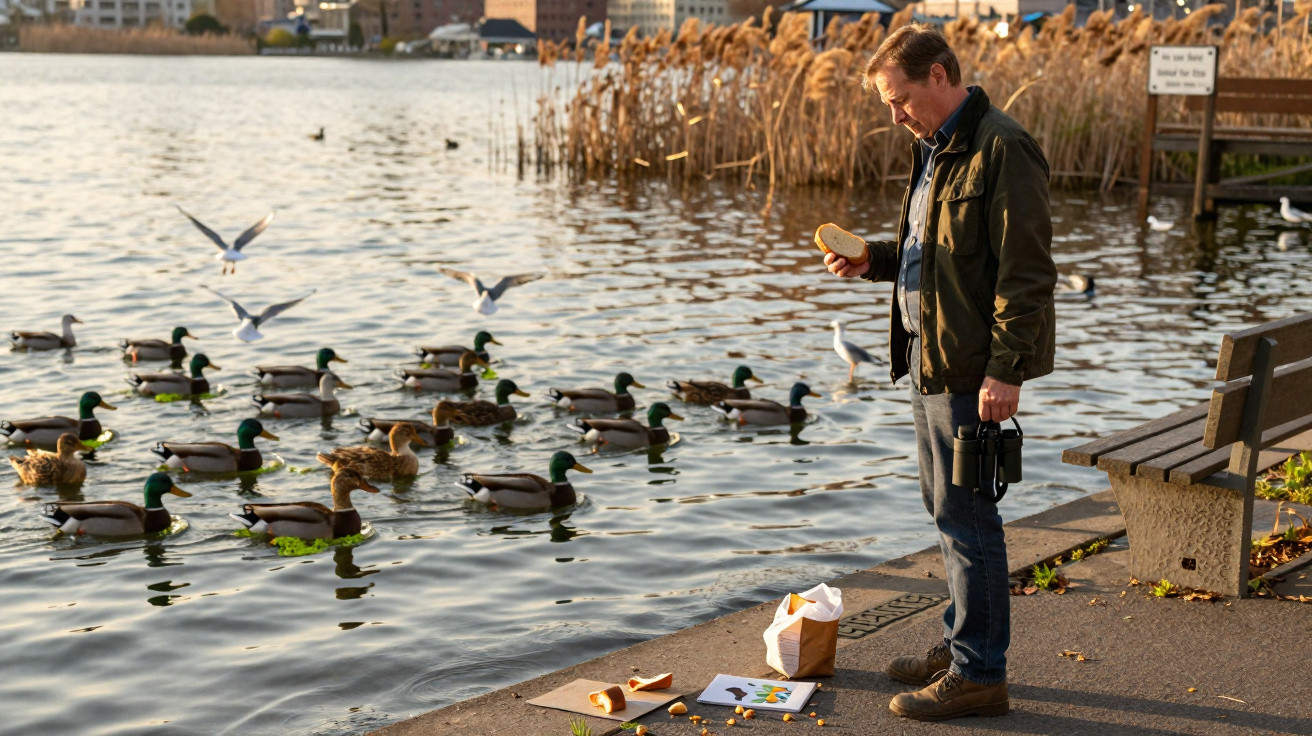
He stood beside a still city pond with a plastic bag, casually tossing out crumbs with a contented, unhurried flick of his hand. Children giggled, pigeons beat their wings and ducks surged towards him. It seemed innocent, even vaguely touching.
He returned the following day, then again after that. The news travelled as it does in the natural world: by wingbeats, calls, and the unseen patterns of scent and routine. Within a few weeks, the pond had become noisier, filthier and oddly strained. Something was clearly amiss, although nobody could yet put a name to it.
By the time local residents started raising concerns about the odour and rats, the knock-on effects were well under way. It had all begun because one man believed he was only feeding a handful of birds.
When a handful of bread becomes an ecological bomb
One overcast Tuesday morning, Martin - as we will call him - reached the pond carrying his familiar supply: two large loaves of white bread, already ripped into pieces. He cherished the routine: the flurry of wings, the instant focus, and the sense that those bright, wild eyes depended on him.
In the beginning, there were only around a dozen ducks and a few fearless pigeons. They made up a small, disorderly gathering, sending ripples across the water and leaving crumbs over the paving. It almost felt like a private agreement between Martin and the birds: a quiet act of generosity in a loud city.
A month later, the gathering had trebled. Gulls started arriving from the river, while crows observed from the branches, watchful and strategic. The pond, once green and clear, became murky and oily. The atmosphere felt thicker and smelled worse. From a distance it could still pass for a picturesque scene; close up, decay had begun to take hold.
Urban ecologists who observe these small city-park dramas recognise the sequence immediately. Feed a few birds and they return sooner, bringing others with them. At one London park, the local Canada goose population rose by more than 30% in a single season after several regular feeders began visiting the water’s edge. Extra birds produced more droppings, which in turn led to algal blooms and severe falls in pond oxygen levels.
Insects that would normally coexist with aquatic plants start to lose their place. Fish become stressed. Any turtles present move elsewhere. Rats find an endless food source along the bank, and foxes may arrive once rats establish themselves. One apparently “kind” gesture can develop into a constantly changing tangle of ecological winners and losers.
In Martin’s situation, residents began spotting a line of droppings stretching from the pond towards the nearby playground. Children trod in it, and benches became marked and stained. The council had to arrange cleaning visits twice as frequently as before. What started as a mild, well-meant action became a practical issue for the whole neighbourhood, while concealing a more serious ecological disruption below the surface.
The mechanism is fairly ruthless. Feeding wildlife does more than satisfy hunger: it alters the calculations of survival. Birds that might otherwise migrate remain in place. Individuals unlikely to survive winter can suddenly flourish and reproduce. Predators notice the new concentration of prey. Gradually, the entire food web changes.
Artificial feeding also removes natural checks. In a balanced environment, only the hardiest or most adaptable animals tend to reproduce. A permanent buffet weakens that filter, supporting birds that limited food supplies or disease might otherwise keep under control. Research at an urban wetland in the United States found higher infection rates among ducks in regularly fed areas, largely because crowded and stressed birds shared old food and contaminated water.
Then there is the enduring effect of learned behaviour. Animals remember, pass habits on to their young, alter their routes and reshape their seasonal routines around people without us noticing. When humans finally realise something is “wrong”, the replacement system may already be firmly established. All because of a plastic bag of bread and a man trying to do what he believed was right.
How to feed your love of birds without wrecking their world
Loving birds does not mean you have to stop caring; it means changing the way that care is expressed. Rather than scattering food unpredictably beside a pond, act as an unobtrusive partner in the ecosystem. Begin with the most straightforward approach: plant rather than pour.
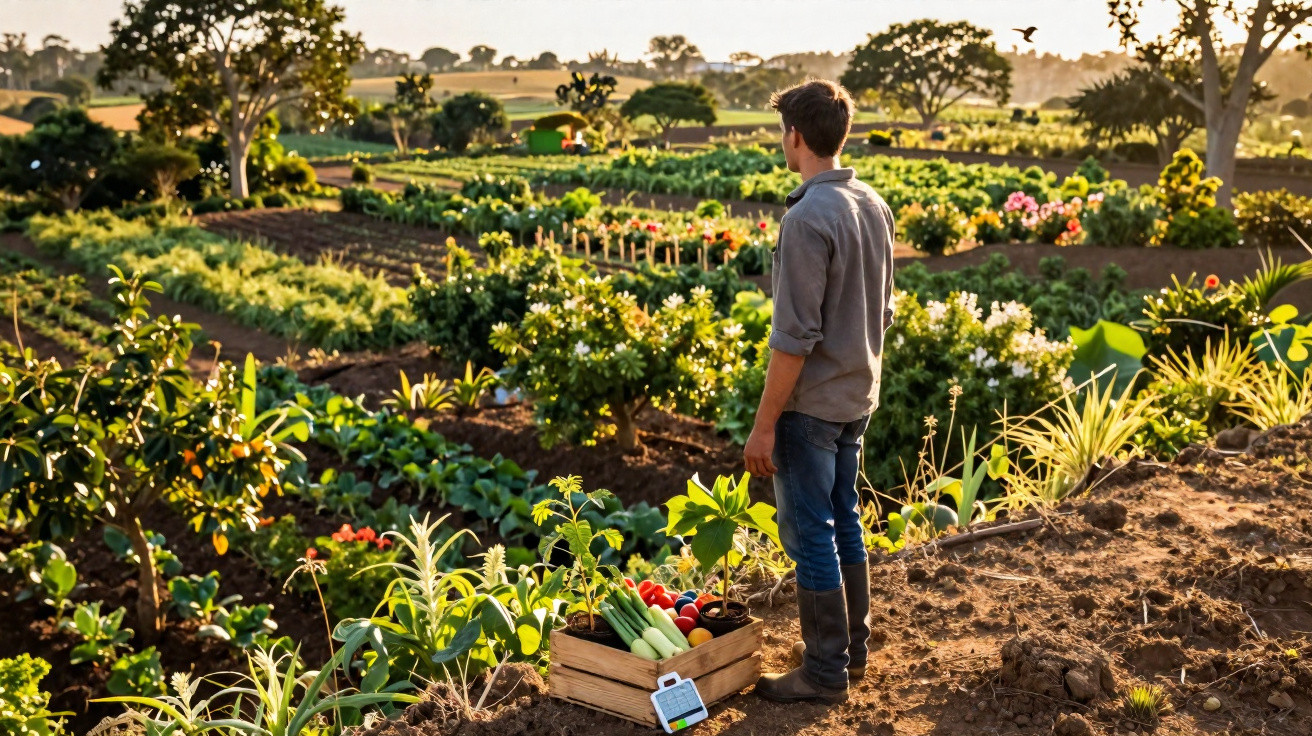
A window box containing native plants or seeds, or a slightly untidy corner of the garden, supplies reliable food over time. It supports seeds, berries and insects - not a sudden glut, but a steady daily resource birds can use. Instead of attracting vast numbers to a single vulnerable location, it distributes life more naturally.
Where feeding is permitted and appropriate, choose specialised bird food rather than scraps. Put modest amounts into feeders that are cleaned routinely, instead of scattering food across the ground. You are not operating a buffet; you are simply adding a few notes to a song nature already knows how to play.
Most people who feed wildlife too much are not thoughtless. They are responding emotionally, seeking contact, connection and reassurance that they matter to something living and free. On a lonely afternoon, becoming the centre of a storm of wings can seem like proof that you exist.
The problem starts when that feeling prevents us from seeing the wider consequences. At a lake in a French suburb, repeated bread-feeding brought more than additional swans and ducks. It caused a surge in harmful algae, more rat sightings and, eventually, a “do not feed the birds” notice that regular feeders took as a personal rebuke. Nobody had made the connection between crumbs and green sludge clear to them.
Most of us have discovered that a small, reassuring routine can have outcomes we never intended. If Martin’s behaviour feels familiar, let go of the guilt. Guilt stops people acting, whereas curiosity encourages action. Ask yourself: “What’s a way of loving these birds that doesn’t pin them to my presence?” That is the point where genuine change begins.
“Every handful of bread is a vote,” says an urban ecologist I spoke to. “You’re voting for more birds right here, right now, at any cost. The pond can’t always pay that bill.”
When the urge to feed birds arises, particularly in a park or beside water, keep these straightforward principles in mind:
- Feed only in places where local rules explicitly permit it
- Avoid bread and processed foods; choose seeds or mixes suited to the species instead
- Give small portions occasionally, rather than large amounts every day
- Wash feeders regularly so they do not become centres of disease
- Prioritise planting and habitat creation over hand-feeding wildlife
Let us be honest: hardly anyone follows every one of these rules every day. Routines lapse, feeders go unwashed and “just this once” portions become larger. That is why the safest approach over the long term relies not on flawless personal discipline, but on arrangements that keep working quietly when you are tired or busy.
The quiet power of doing almost nothing
The most surprising element of this story is not that one person could disturb an ecosystem, but how little is needed to help restore stability. Nature is designed to correct itself when people stop continually pulling its levers. At times, the most helpful choice is to retreat slightly and allow wild patterns to return.
Once the council spoke with Martin and installed new signs, feeding declined. Bird numbers slowly fell as a result. It took months for the water to clear, and some harm was already embedded, but dragonflies began appearing again. Visitors also noticed quieter wildlife: herons fishing at first light and bats skimming over the surface at dusk.
What appeared to be “doing less” was actually a move away from direct control and towards subtle support. It meant planting reeds rather than throwing bread, leaving a fallen log by the bank rather than removing every piece of wood, and allowing one strip of grass to grow longer so insects have cover. None of it is dramatic or likely to go viral. Nevertheless, this is the unseen care that enables a place to remain alive.
| Key point | Detail | Why it matters to the reader |
|---|---|---|
| An ordinary action can disrupt an ecosystem | Heavy feeding changes bird behaviour, reproduction and health | Recognise the real impact of seemingly “innocent” actions |
| Replace bread with habitat | Plant native species, provide varied shelter and reduce direct food supplies | Support nature without creating artificial dependency |
| Less intervention, more attention | Observe, adapt and respect local rules before getting involved | Build a more considered and lasting relationship with wildlife |
FAQ:
- Is feeding bread to ducks really that bad? Yes. Bread provides little nutrition, promotes overcrowding, pollutes the water and may cause health conditions such as “angel wing” in young birds.
- What should I give birds if I still want to feed them? Choose species-appropriate seeds, grains or pellets sold as wild bird food, providing small quantities away from water where possible.
- How often is it safe to feed wild birds? Infrequent, modest feeding is much safer than daily piles of food. Treat it as an occasional extra, not their principal food source.
- Are backyard bird feeders causing the same problems as pond feeding? They can do if they are overfilled, seldom cleaned or supplied with poor-quality food. Cleaning feeders and limiting quantities helps reduce the risk.
- How can I help birds without feeding them at all? Grow native plants, offer clean water, keep cats indoors at important times and preserve quiet areas where birds can rest and nest.





Comments
No comments yet. Be the first to comment!
Leave a Comment