
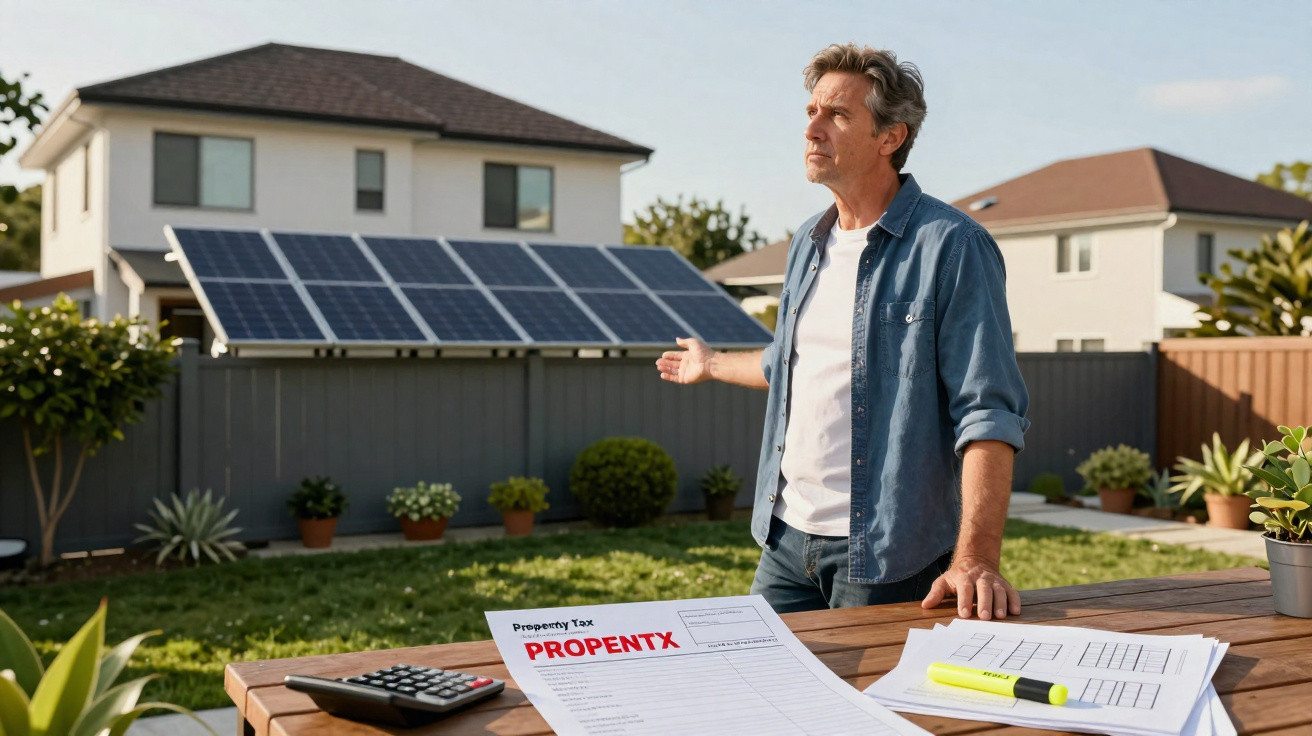
A modest act of neighbourly support has developed into an expensive property tax dispute, prompting renewed concerns over the way green cooperation is handled.
A homeowner who allowed a neighbour to install a solar array on his land has now been left with a full property tax charge, despite saying that he receives no income from it. The court ruling could discourage communities in which people offer roofs, fields or gardens for small renewable energy schemes.
A friendly favour that turned into a tax issue
The dispute concerns a homeowner who permitted a neighbour to put solar panels on part of his land. The installation supplies electricity to the grid through a small renewable energy project, while the neighbour who paid for and runs the equipment receives the revenue.
The owner of the land neither funded the panels nor sells any electricity, and says he gets no financial benefit. In his view, he merely made unused land available to help support cleaner energy.
The court decided that the existence of the solar installation on his land increased the taxable value of his property, even without any direct profit.
Local tax officials classified the location as improved land, in a similar way to an outbuilding, workshop or commercial facility. This moved the property into a higher tax band and increased the owner's yearly bill.
What the court actually said about solar panels
The judges considered three central issues: ownership of the land, who gains from the solar panels and the way tax law applies in these mixed-use cases. Ownership was clear: the plot remains registered in the homeowner's name, and property tax is charged to the landowner.
In considering the benefits, the court accepted that electricity income goes to the neighbour. However, it found that an operational energy installation represented an “enhancement” or “improvement” to the land, irrespective of who receives that income.
For tax purposes, the physical reality of the installation on the land counted more than any private agreement between neighbours.
Under the decision, the authority may assess the tax as though the property contains an extra structure that creates value, similar to a barn let to another party for commercial activity.
“I’m not making any profit from this”
The homeowner has openly expressed his frustration. He maintains that his reasons were environmental rather than financial. He did not enter a commercial venture, but simply granted permission for a small portion of his land to be used.
From his perspective, the result is profoundly unfair: he must bear a greater long-term expense while having no control over the installation and no entitlement to its revenue.
His case exposes a divide between public expectations of community renewable energy projects and the present legal treatment of land use. Informal arrangements made as a “good deed” can conflict with strict property and tax rules originally intended for commercial activity.
A ruling that divides public opinion
Legal specialists, environmental campaigners and homeowners have taken different views of the ruling. Some say the court has simply enforced the law as it stands, and that certainty is valuable even where the outcome is unpopular.
Others believe the decision could put people off small-scale clean energy. Where hosting panels, turbines or other equipment on private land produces higher property taxes, many would-be hosts may decline.
Supporters of community energy schemes warn that the case risks sending exactly the wrong message at a time when authorities urge households to back renewables.
Arguments backing the court’s decision
- Tax liability should follow ownership of land: the named owner pays.
- A physical improvement that supports an economic activity raises taxable value.
- Exemptions based on private arrangements could open up loopholes.
- Questions of compensation should be dealt with through civil contracts rather than tax courts.
Arguments against the decision
- It punishes environmentally motivated cooperation that is not commercial.
- Property tax can increase even where the owner receives no income whatsoever.
- It could deter people from hosting panels on suburban or rural land.
- Tax law seems misaligned with climate and energy objectives.
What this means for other homeowners
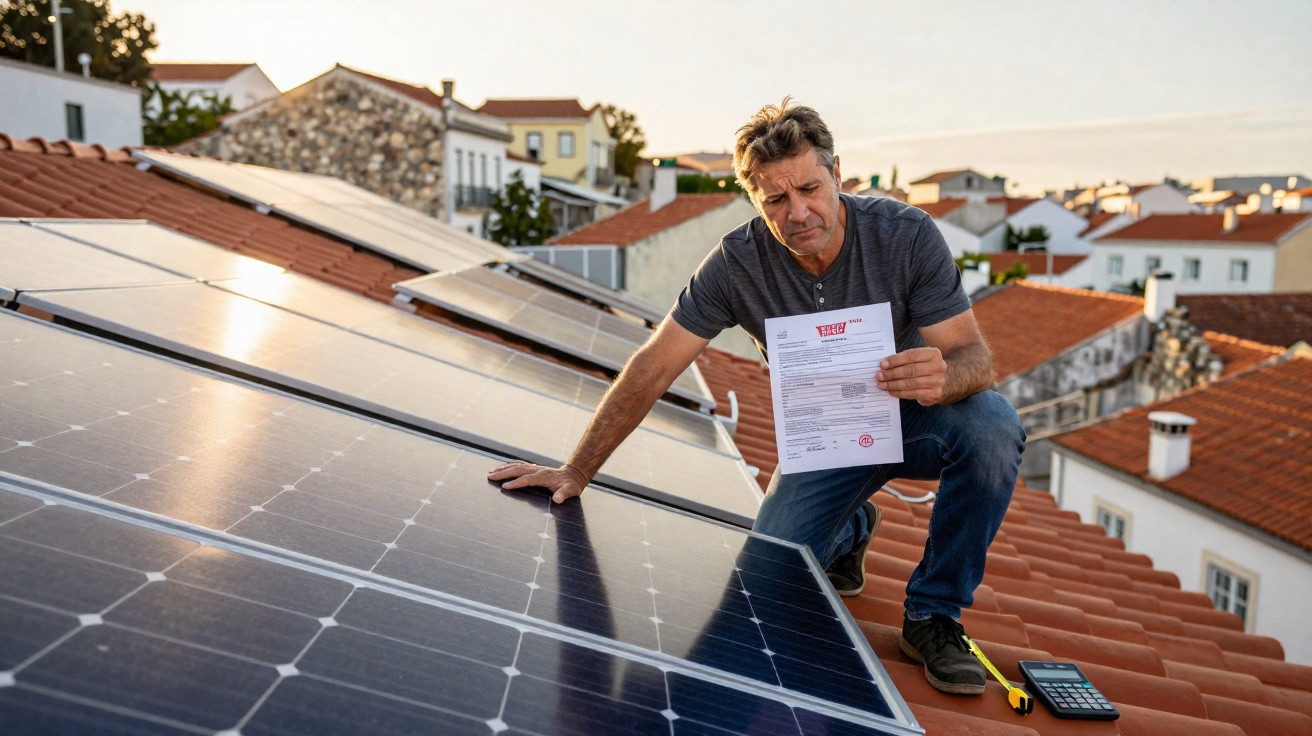
The ruling serves as a warning to anyone thinking of offering a roof, garage, field or garden area for a renewable project. Positive intentions alone will not protect a host from tax consequences.
Lawyers advise future hosts to approach these agreements as small commercial transactions, rather than informal favours. This involves deciding beforehand how increased tax, maintenance, liability and removal at the end of the equipment's life will be addressed.
Key points to check before hosting solar panels
| Issue | Questions to ask |
|---|---|
| Tax impact | Could the installation alter my property tax band or assessed value? |
| Contract | Is there a written agreement dealing with duration, access and responsibilities? |
| Compensation | Will I be compensated for any higher taxes or expenses? |
| Liability | Who is liable for accidents, damage or problems with the grid connection? |
| Removal | Who will pay to take away the installation when its life ends or if the relationship breaks down? |
Specialists further note that professional installers and energy cooperatives normally include these issues in their standard agreements, whereas informal deals between neighbours often fail to do so.
Policy gap between green goals and tax structures
The case highlights an increasing contradiction: governments encourage households to support renewable energy, while property and tax law still reflects a fossil-fuel age in which energy generation was centralised and industrial.
Shared batteries, community solar and local microgrids make the boundaries between domestic and commercial use less clear. One property may simultaneously be a home, a small power station and an income-producing asset. Established tax frameworks are finding it difficult to categorise these combinations.
Without clear, modern rules, early adopters risk getting caught between climate ambitions and fiscal inertia.
Some policy specialists support tailored tax relief or exemptions where land is made available for small-scale, non-commercial renewable schemes. Others propose that any extra tax should be contractually divided between the operator and host, so that the burden is shared fairly.
Practical scenarios for neighbours considering similar deals
Consider three possible arrangements for the same area of land behind a house:
- Pure loan of space: The owner hosts a friend's panels, receives nothing in return and faces higher property tax. This reflects the contested case and creates the greatest potential for resentment.
- Shared-benefit contract: The neighbour pays the landowner a small annual rent, calculated specifically to meet any higher tax charge and provide a modest amount for the inconvenience.
- Co-ownership model: Both neighbours contribute to the system, divide electricity revenue and share tax and other costs according to their respective stake.
Only the final two options recognise that the land itself is being used in an economic activity, and that costs may change during the 20–25 year lifespan of a solar installation.
Terms and risks worth understanding
Two ideas are central to this discussion: “usufruct” and “improvement”. Usufruct means the right to use and benefit from another person's property without becoming its owner. In many legal systems, panels installed on someone else's land work on this basis: the energy producer has use of the site, while the landowner retains ownership.
An “improvement” is a modification that adds to land's value or its ability to generate revenue. Tax systems generally take account of such changes, no matter who receives the profit. This is why constructing a commercial shed or letting a barn to a business may result in increased property tax.
For households exploring green partnerships, the possible problems extend beyond money. Disagreements may arise over access, inverter noise, garden shading or visual effects. There are also clear advantages, including locally generated clean electricity, shared investment and the satisfaction of putting unused land to productive use.
Many energy advisers now urge people to record every such arrangement in writing, including where the parties have been lifelong friends. A transparent division of the benefits and obligations can help keep these projects workable and stop a well-intentioned act of climate solidarity becoming an enduring legal or financial dispute.





Comments
No comments yet. Be the first to comment!
Leave a Comment