
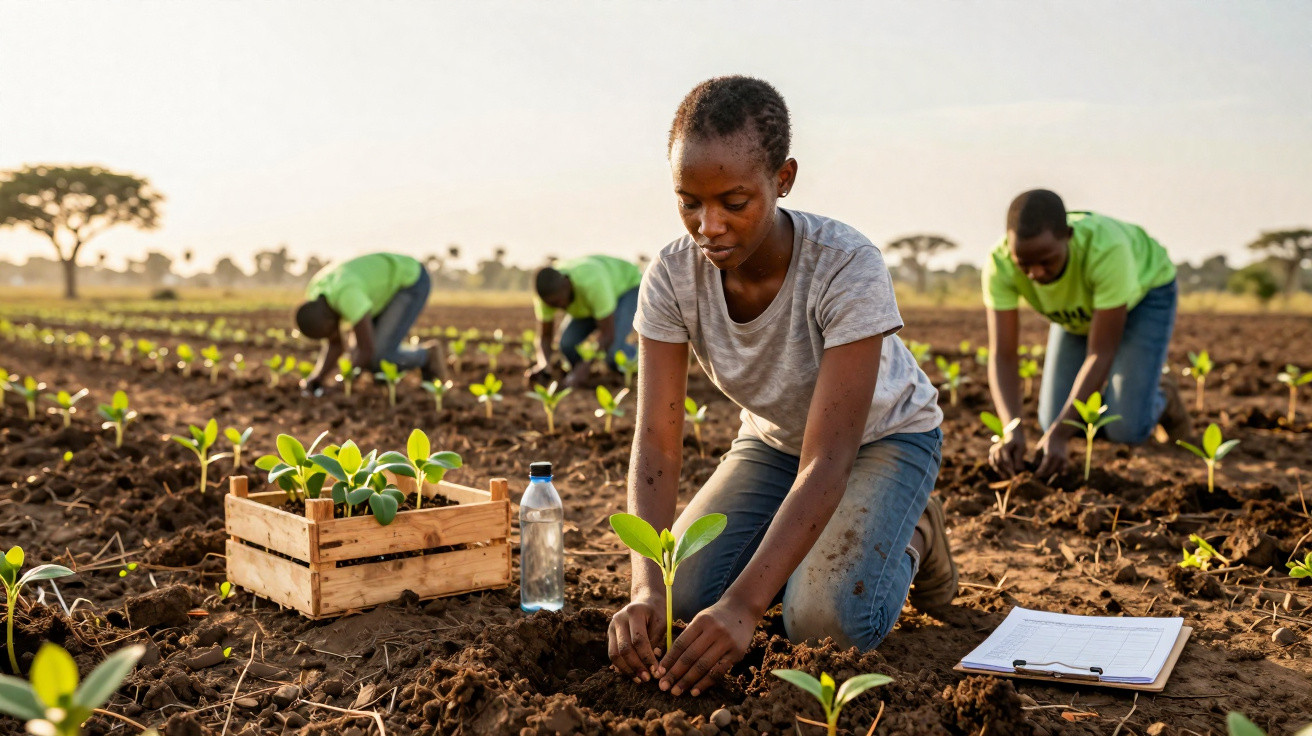
The rapid loss of forest cover in Ethiopia has had serious consequences for agricultural productivity and national food security. To counter the long-running deforestation trend, the state-led initiative brought society together in an unprecedented reforestation drive.
How were millions of seedlings planted in twelve hours?
On 29 July 2019, the Ethiopian government arranged a major community action. The mobilisation brought together thousands of citizens, volunteers and public servants, all contributing to the collective effort to restore areas degraded by deforestation.
Led by Prime Minister Abiy Ahmed, the country aimed to set a global conservation milestone. Its immediate purpose was to show the public's commitment to sustainability and the environmental restoration of its territory.
How did China plant billions of trees along its Green Wall?
Large-scale reforestation projects are reshaping landscapes around the world, showing that cultivated species can grow… Read more
Why is the Green Legacy initiative important to Ethiopia?
Environmental degradation in the region has caused major damage to food production and social wellbeing. By encouraging the mass planting of seedlings, the project seeks to tackle soil erosion and reduce hunger.
Local authorities stress that continued ecological action is essential to safeguard the region's vulnerable ecosystems. Combining effective public policies with community engagement is intended to secure the long-term success of this environmental project.
Below is a video from Euronews in Portuguese on YouTube, which examines the points discussed in greater detail:
What are the main figures released about the campaign?
The government stated that more than 353 million specimens were planted in only half a day. This result exceeded earlier targets recorded in other countries and established the event as a landmark in public mobilisation.
Despite its substantial media impact, the official figures published by the authorities were not subject to a detailed independent audit. Without external verification, the achievement could not receive Guinness World Records recognition as a world record.
Project highlights
Initiative structure: Key elements of the national reforestation plan:
- Mass mobilisation of public employees and citizens;
- A broad target of four billion trees over the period;
- A focus on combating degradation and hunger in the country.
How does the Green Legacy project aim to shape the environmental future?
The systematic loss of forests over the past century called for drastic action by public authorities. The campaign aims to restore native vegetation in order to protect biodiversity and secure water resources for the country's next generations.
To meet lasting ecological targets, the government plans to continue planting activities throughout the summer. Ongoing monitoring of reforested areas will be essential to ensure the healthy growth and survival of the trees.
The core pillars that guided this unprecedented mobilisation are highlighted below:
- Community engagement across several agricultural regions;
- Logistical support and active involvement from the public sector;
- A focus on conservation solutions in response to the climate.
What lessons does this mobilisation offer the world?
The partnership between the public and government showed that environmental transformation on a large scale relies on political will. This initiative provides inspiration for other territories facing severe ecological crises caused by climate change today.
Although practical challenges remain, the joint action demonstrated the importance of collective awareness for nature conservation. Protecting the environment requires sustained dedication and cooperation to address the damage caused by decades of intense deforestation.





Comments
No comments yet. Be the first to comment!
Leave a Comment