
- ADD MILITARY ZONE TO
Why add us? Get Zona Militar news on Google.
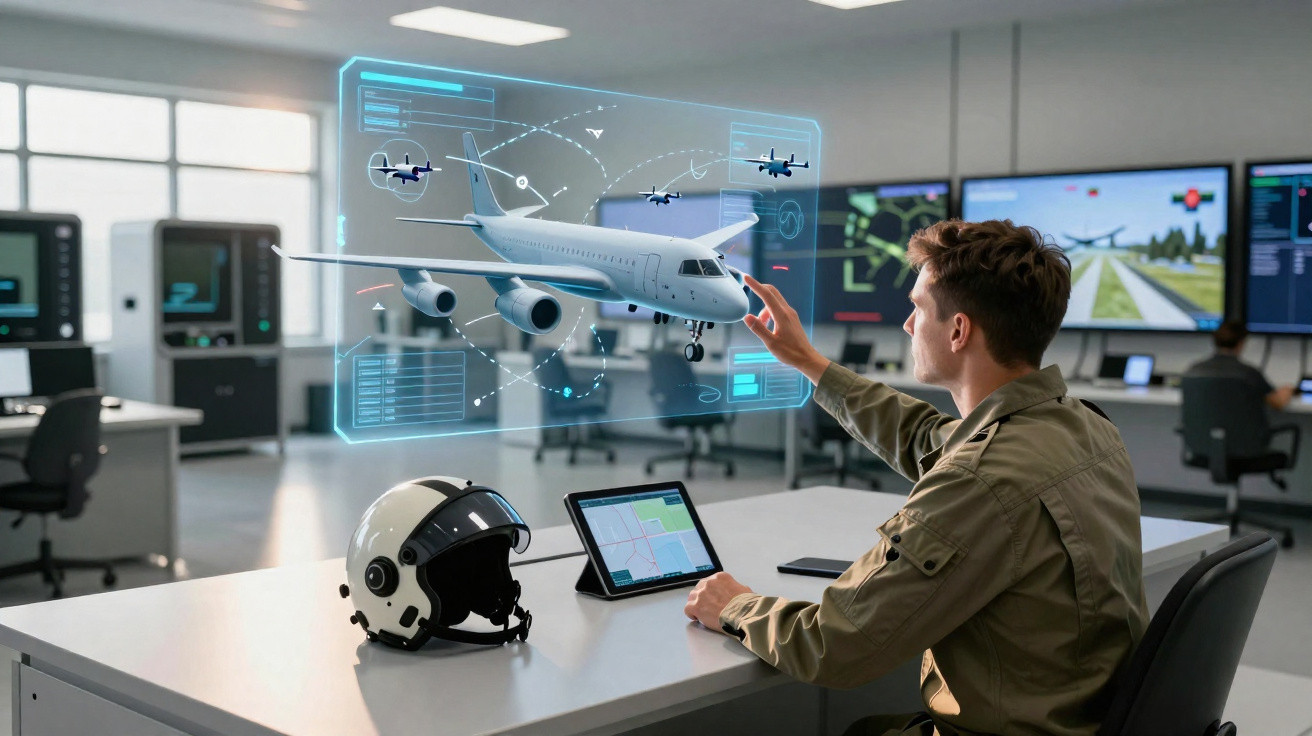
Alongside the deployment of Tornado and Eurofighter fighter-bombers during the German Air Force’s 2026 “Timber Express” exercise, Airbus Defence and Space tested its Systems Development Laboratory (SDL). This new virtual testing and military training approach from the European company integrated virtual allies and threats into the operating environment of the air assets involved in “Timber Express”. The exercise is chiefly intended to assess the exchange of tactical data flows between participating airborne platforms.
👉 Read more: Missile shortage forces Ukrainian F-16s to confront Russian drones with limited weaponry
Airbus SDL and Live, Virtual, Constructive training
René Birkholz, Airbus Defence and Space’s business development manager for Future Air Power, stated that “thanks to the SDL, we have been able to implement the Live, Virtual, Constructive (LVC) model for testing and training”. The approach is designed to supplement airborne platforms with human operators in ground-based simulators and computer-generated constructive forces, bringing physical and virtual forces together in training environments.
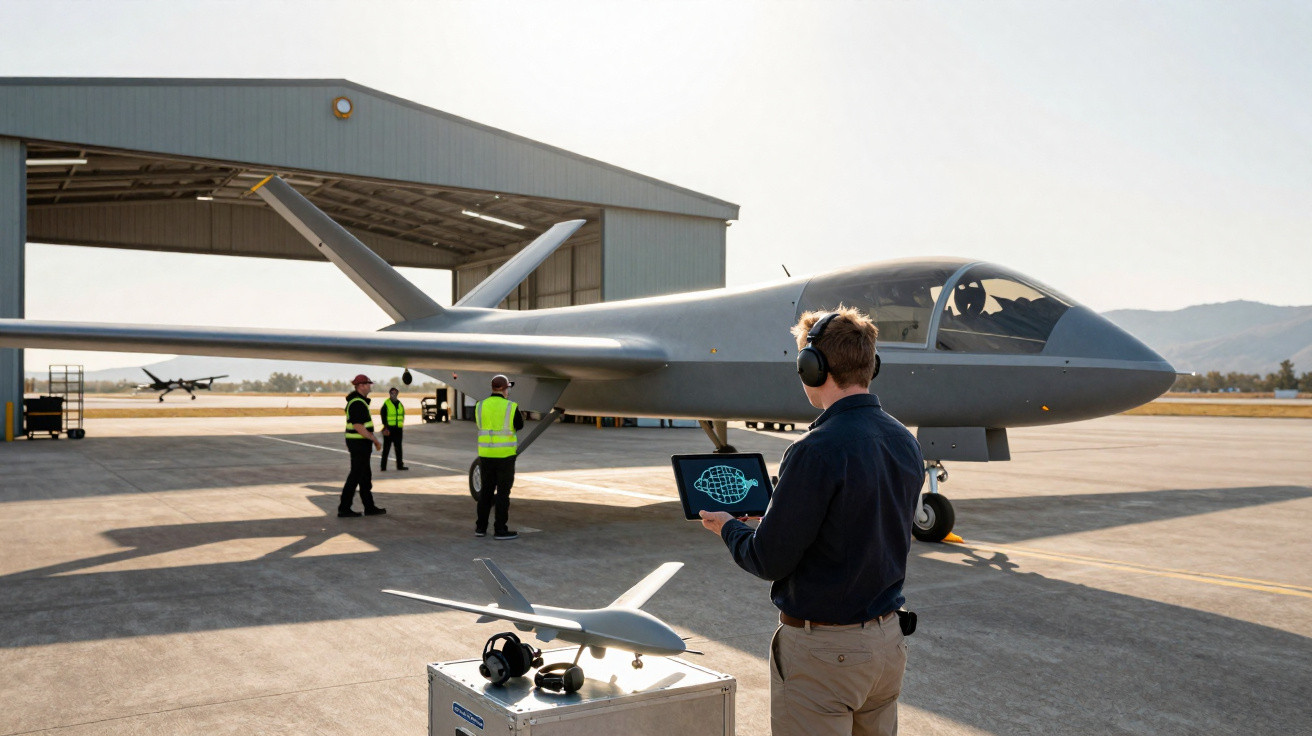
Against the backdrop of advancing uncrewed technologies, the SDL will make it possible to test and validate the combined capabilities of current and future systems in virtual environments, reducing both costs and the complexities linked to their use in real-world scenarios. “[…] the SDL enables allies and adversaries to be deployed in the airspace at a fraction of the cost,” René Birkholz explained, adding: “[…] the virtual environment allows armed forces to test tactics, techniques and procedures that they do not wish to demonstrate in a real environment; operational security is paramount in this respect”, highlighting another benefit of virtual environments.
SDL support for weapons-system development
The SDL approach is not confined to military training: it can also support the development process of a new weapons system, helping to ensure its capabilities are ready for the dynamic and complex challenges of modern military operations. SDL could simulate integrated, multi-domain air operations involving numerous factors and land, maritime, cyber and space assets, in order to examine the capabilities of Eurofighter fighters or other next-generation platforms in specific scenarios and identify effective configurations through automated combat simulations.
This information would allow battle managers and pilots to run simulations at physical stations and take part in missions against computer-generated threats. In Airbus’s statement, Birkholz noted: “It is about creating a feedback loop throughout the development process, in which we continuously validate and adapt the platform’s capabilities until it fulfils its role”. It is also worth noting that, as part of information exchange between aircraft and systems during “Timber Express”, infodas’ SDoT product line ensured interoperability among sensors, command systems and platforms-an essential factor in scenarios integrating crewed and uncrewed systems.
Comments
No comments yet. Be the first to comment!
Leave a Comment