
Add Zona Militar
Why add us? Get Zona Militar news on your Google.
The armed forces of the Russian Federation have altered their drone attack strategy against Ukrainian territory in recent weeks. The shift follows the Russian command’s acknowledgement of the high effectiveness of Ukrainian air-defence systems against conventional Shahed-type platforms. Moscow is seeking to adjust its tactics to overcome the interception barriers established by Kyiv’s forces at strategic locations.
👉 Read more: US Air Force declares Initial Operational Capability for the new MH-139A Grey Wolf helicopter to strengthen the nuclear arsenal
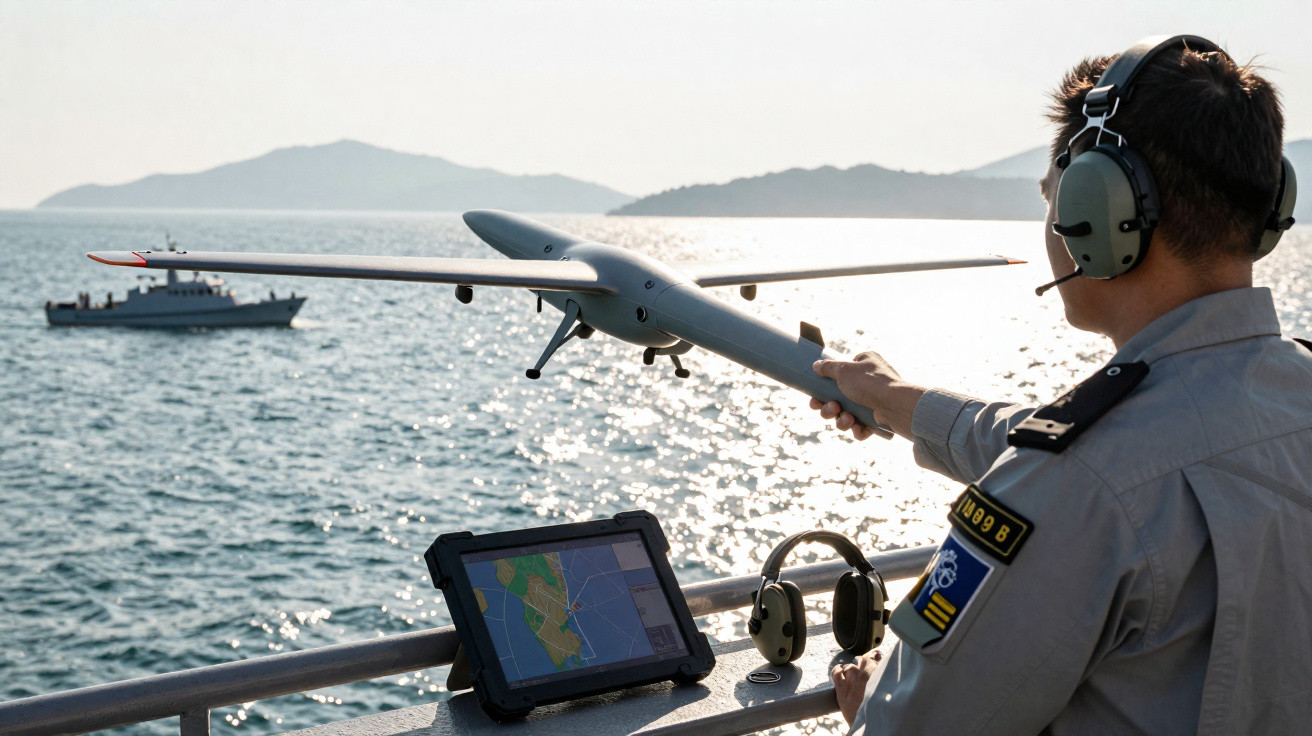
According to Serhii “Flash” Beskrestnov, an adviser to the Ukrainian presidency, the Kremlin has begun saving its faster aerial platforms for particular targets. Geran-4 jet-propelled drones and Banderol cruise missiles are now striking Ukrainian cities in the rear areas. Traditional diesel-powered Shahed drones, meanwhile, operate solely in border regions and close to the line of contact.
📌 You may also be interested in:
- South Korean Navy: KSS-III Dosan Ahn Chang-ho submarine completes historic mission in the Pacific
- US Air Force deploys B-52H bombers to Australia to reinforce the Indo-Pacific
Russian drone attack strategy targets rear areas
The government adviser said that conventional Shahed drones remain effective only within those specific geographical areas. Using these weapons against targets deeper within Ukraine is severely constrained by the layered air defences deployed there. “Behind the front line, they are using jet drones and rely on Geran-4 and Banderol missiles,” Beskrestnov said in an interview.
The end of the Geran-3 and the arrival of the Geran-4
The Ukrainian official also confirmed that Russia has stopped using the Geran-3 platform on the front line. This system belonged to the earlier generation of kamikaze drones derived from the Iranian Shahed-136 model. The Geran-3’s maximum speed proved insufficient in the face of the continual technological and operational development of Ukrainian anti-aircraft defences in recent months.
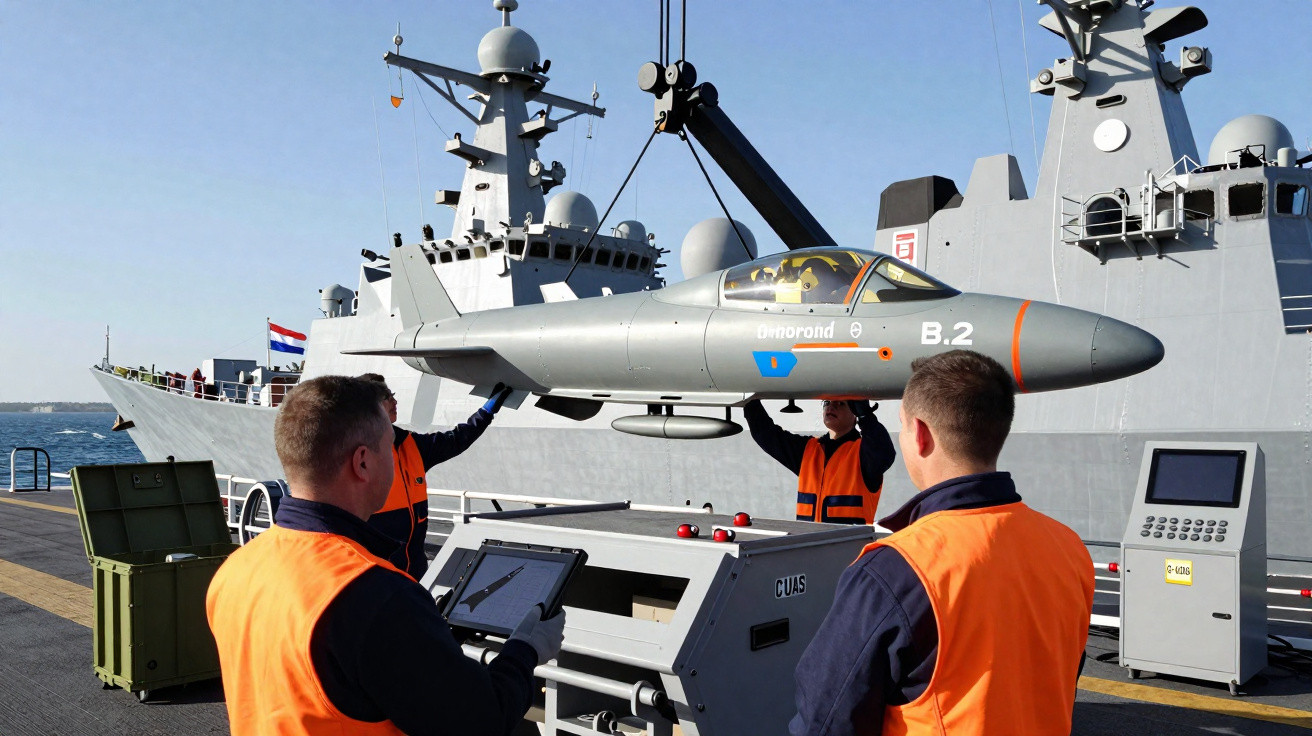
Russia’s military industry has therefore focused its production efforts on the newer Geran-4 model. Ukrainian intelligence reports indicate that it is jet-propelled and has an estimated top speed of 500 km/h. The platform has an operational range of 550 kilometres, substantially outperforming earlier subsonic versions.
Banderol missiles increase Russian precision
Alongside the Geran-4’s deployment, the Russian military has stepped up its use of the S8000 Banderol cruise missile. The system was originally used as a payload on Orion drones (UAVs). Defence specialists have also reported the recent integration of these missiles on Russian Mil Mi-28 attack helicopters.
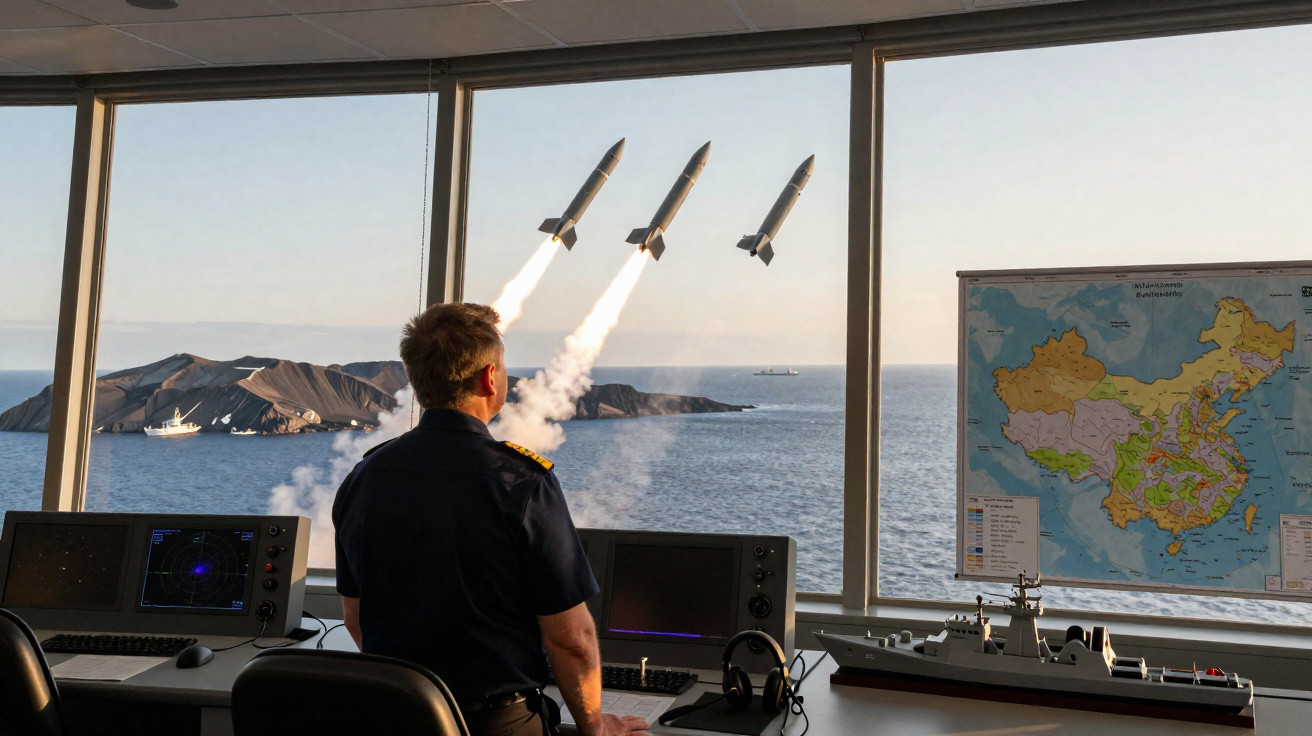
The Banderol missile strikes fixed targets whose geographical coordinates have been pre-established by Russian forces. The weapon targets port infrastructure, logistics centres, transport terminals and supply depots. It has a cruise speed of around 650 km/h and a stated range of up to 500 kilometres in the combat zone.
Ukraine’s air defences drive tactical changes
This change in the drone attack strategy reflects the ongoing adaptation process in the Eastern European conflict. Ukraine’s advances in interception capabilities are forcing Moscow to rotate its tactics. Ukrainian defence currently employs Patriot systems, F-16, Mirage 2000-5 and MiG-29 fighters, as well as cost-effective Alexa Spatium interceptors.
Images are for illustrative purposes only.


Comments
No comments yet. Be the first to comment!
Leave a Comment