
Add Zona Militar to your feed
Why add us? Get the latest from Zona Militar in your Google feed.
Join the WhatsApp channel
Join our official WhatsApp channel and receive the news as it happens.
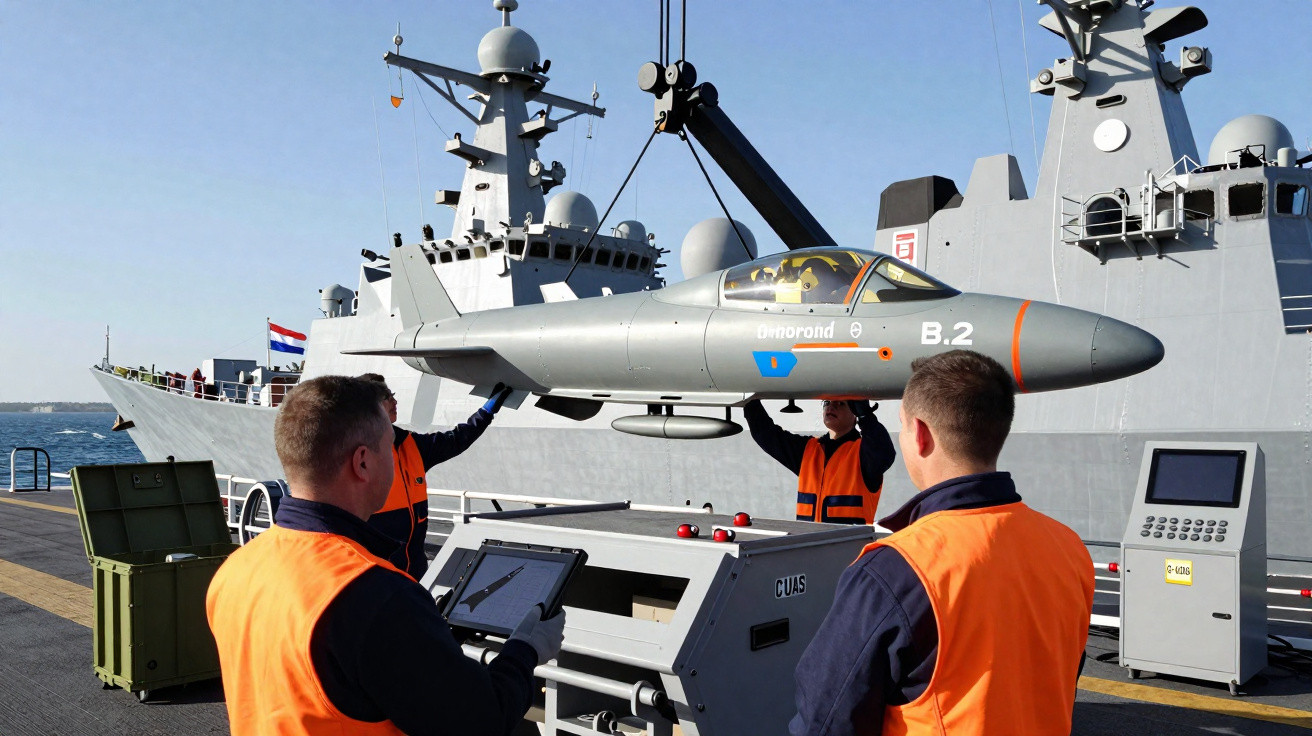
Following the recent announcement of a contract, the Netherlands Ministry of Defence and European firm Destinus will jointly conduct a Concept Development and Experimentation (CD&E) programme to integrate the Hornet B2 naval interceptor against unmanned aerial systems (UAS) on Royal Netherlands Navy warships, with a view to achieving a potential initial operational capability. The programme is scheduled to conclude in the second half of 2027.
👉 Read more: The Air Force secures its strategic ISR capability with a new support contract for its MQ-9A Predator B
More specifically, the Netherlands Ministry of Defence's Materiel and IT Command (COMMIT) has signed a contract with Destinus to launch a Concept Development and Experimentation programme for a C-UAS (Counter-Unmanned Aerial Systems) capability for Royal Netherlands Navy vessels. The CD&E initiative is expected to be completed during the second half of 2027.
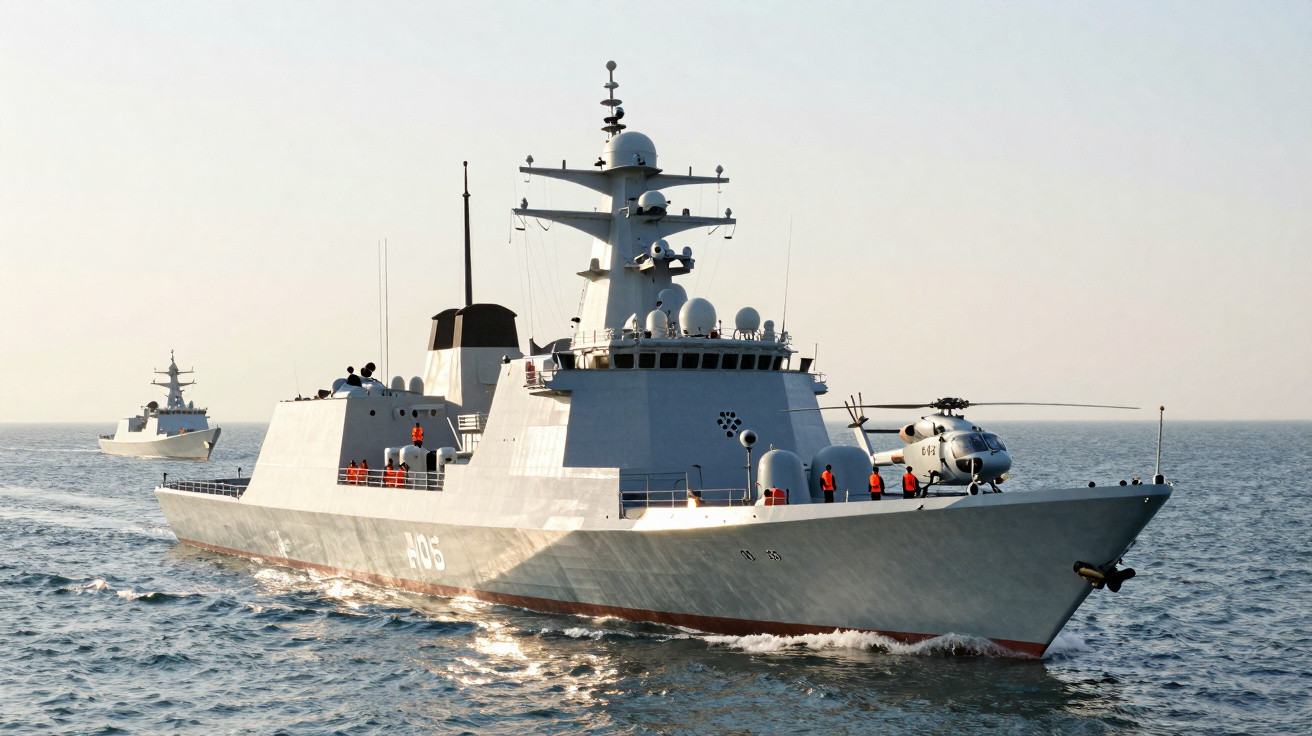
The programme covers the delivery and integration of Hornet B2 interceptors aboard Royal Netherlands Navy ships, although the specific vessels have not been disclosed. It also encompasses integrated logistics support activities for an initial operational capability. The Royal Netherlands Navy will take part in the CD&E programme, contributing operational experience and helping to define the interceptor system's requirements and specifications for its development and effective integration into the naval operating environment.
📌 You may be interested in
- Lockheed Martin advances testing of key components for the United States' new NGI interceptor missile
- With Airfox drones and eight countries involved, the Spanish Navy deploys BAM Meteoro in the Gulf of Guinea
Destinus Hornet B2
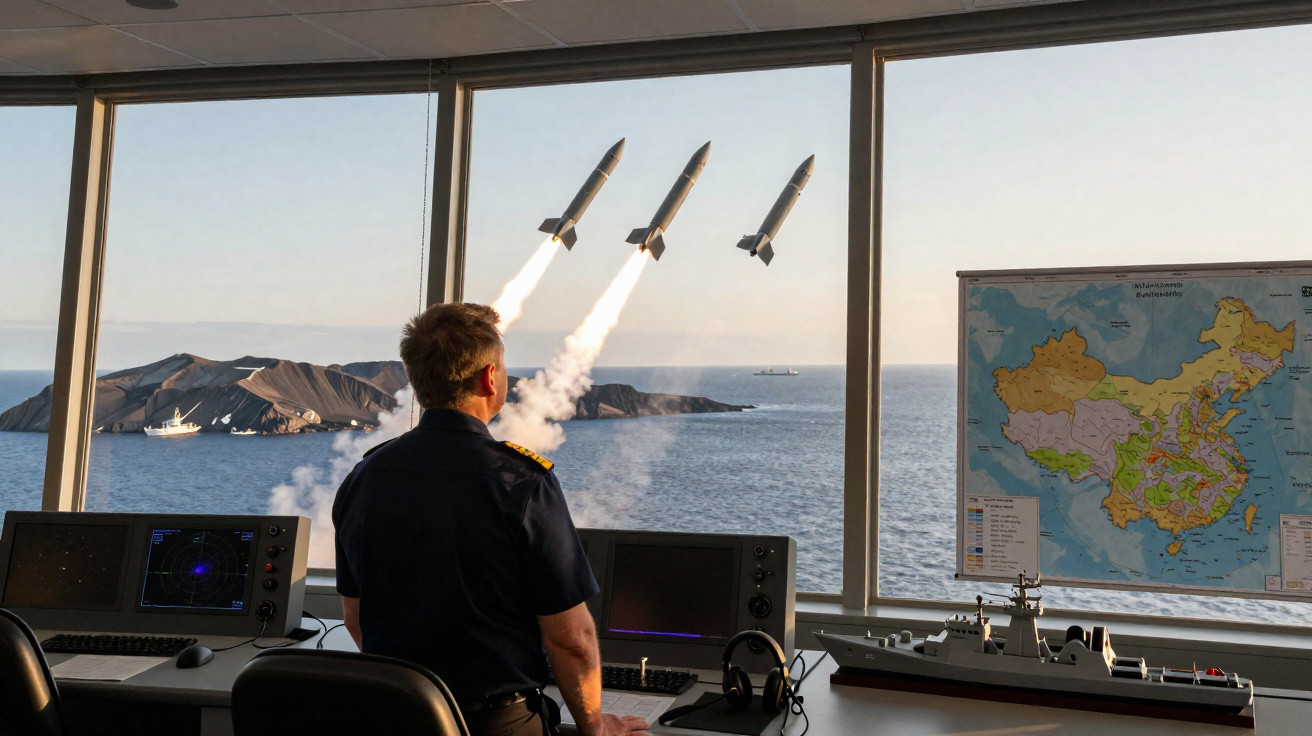
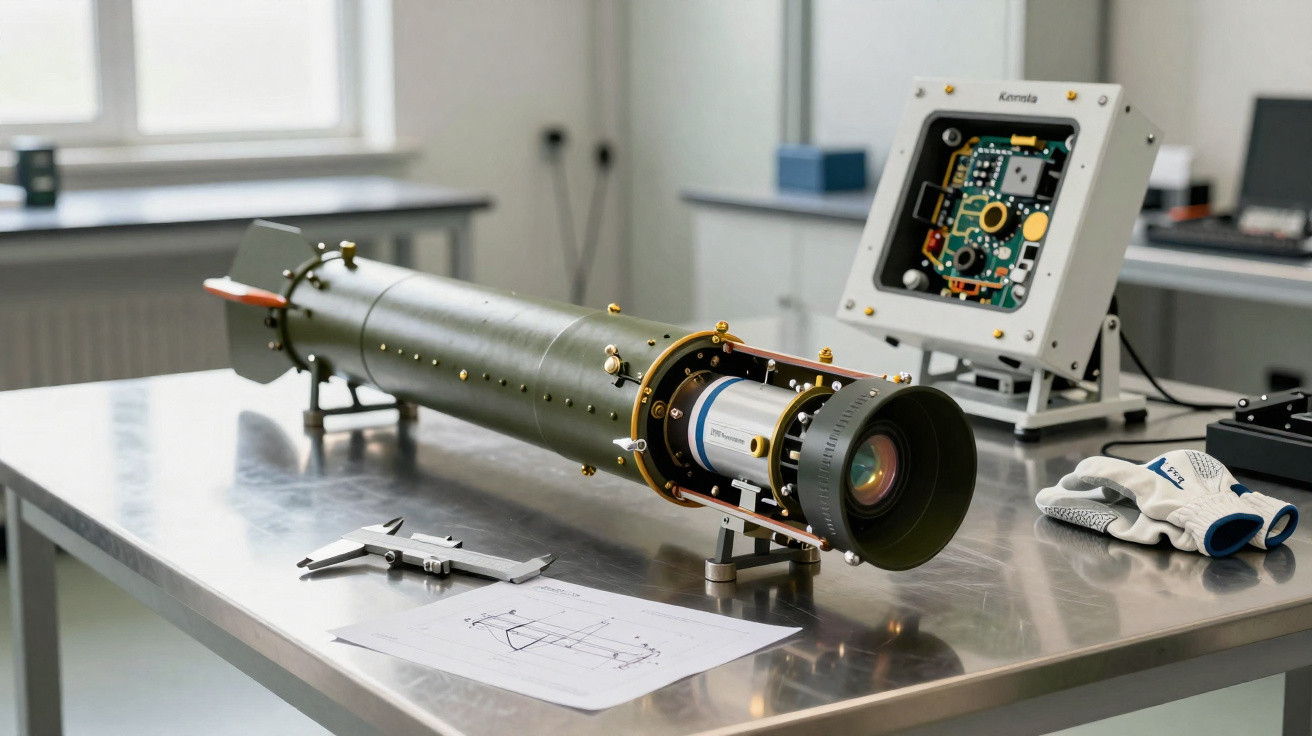
The Hornet B2 is an interceptor system made by Destinus for intercepting subsonic airborne threats, as well as maritime and land targets. Its multi-domain performance also includes AI-coordinated swarm operations and controlled precision strikes. The Hornet B2 is stored and launched from containers, using a rocket booster before transitioning to electric cruise flight.
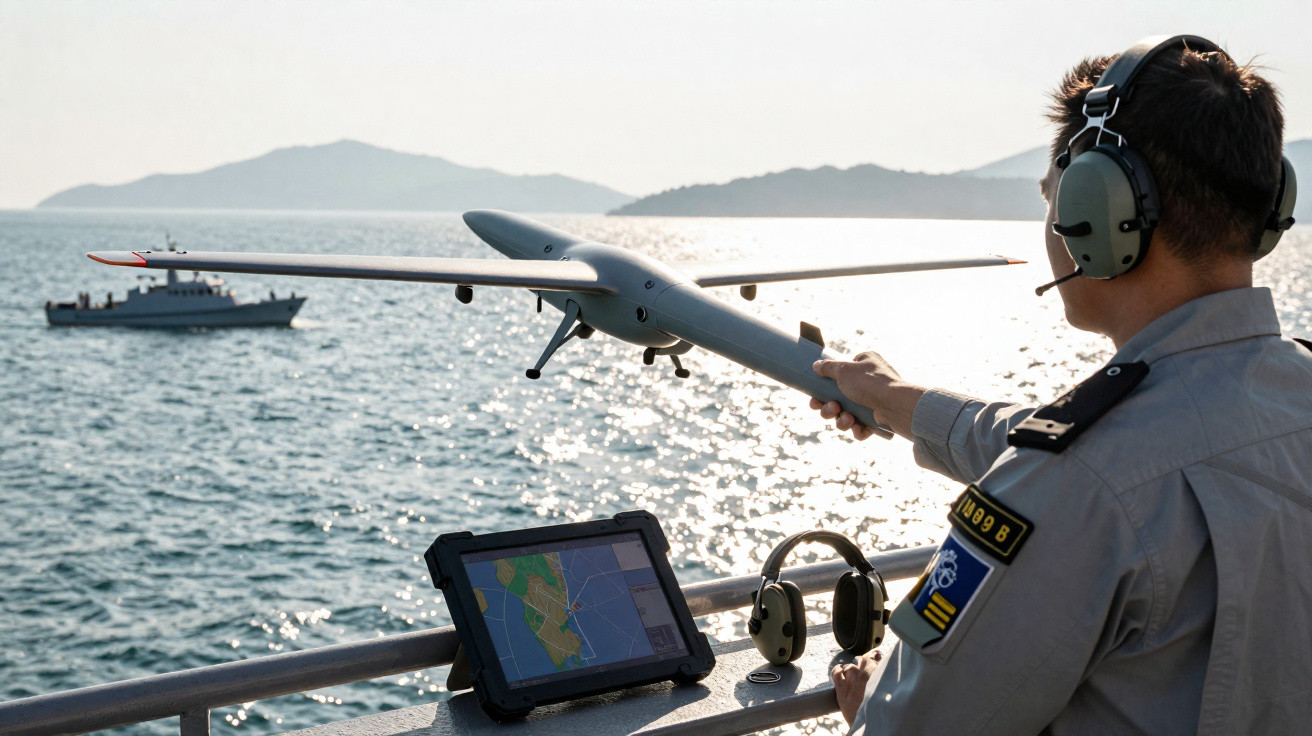
The B2 interceptor is fitted with electro-optical and infrared sensors, supported by Artificial Intelligence (AI)-assisted processing during its terminal phase; however, engagement and interception decisions remain under human control. Its hybrid architecture combines the launch capability of a conventional missile with aircraft-like range and endurance, providing a strike range exceeding 150 kilometres and a 3-kilogram payload.
CD&E programme for Royal Netherlands Navy C-UAS capability
The CD&E programme is principally focused on developing a fleet of interceptors that can be deployed in larger numbers, match the nature and cost of the threat, and operate alongside naval air-defence systems. In this regard, Destinus chief executive Mikhail Kokorich stated: “Low-cost aerial threats have reversed the economics of naval air defence: no navy can sustainably trade multi-million-dollar missiles for low-cost threats arriving in large numbers.” According to Destinus's statement, the programme supports the Netherlands' requirement to equip its naval fleet with a maritime kinetic C-UAS capability.
In operational terms, integrating the Hornet B2 into the naval environment is not intended to replace the high-end air-defence systems operated by navies, but rather to complement them and enhance UAS interception capabilities as an additional layer. Employing traditional anti-air missiles is economically and operationally unsustainable against emerging aerial threats arriving in large numbers. In this context, developing interceptor systems that can be deployed in greater quantities and are suited to the scale of those threats would help strengthen the response to low-cost drone swarms.
The Hornet B1 system, predecessor to the Hornet B2 interceptor, is already in series production. In mid-June, it successfully completed a launch test from the Spanish Navy frigate “Santa María” (F-81); during the trial campaign, the B1 detected a hostile UAV at approximately 40 kilometres and intercepted it. This test illustrates naval forces' emerging approaches to incorporating modern capabilities in response to the demanding conditions of maritime air defence.
Destinus naval interceptor industrial programmes
Along these lines, Destinus, CUBEDIN A/S and OMT Group A/S signed a Memorandum of Understanding focused on developing a C-UAS capability in a mission module for shipboard deployment. The concept is intended to provide an additional, scalable interception layer that complements the existing range of naval air-defence systems. Similarly, Destinus chief commercial officer Wouter van Beek said: “Navies need greater defensive and deterrent capacity against increasingly numerous threats, without having to use a high-end missile in every engagement.”


Comments
No comments yet. Be the first to comment!
Leave a Comment