
Add Zona Militar to receive Zona Militar news on Google.
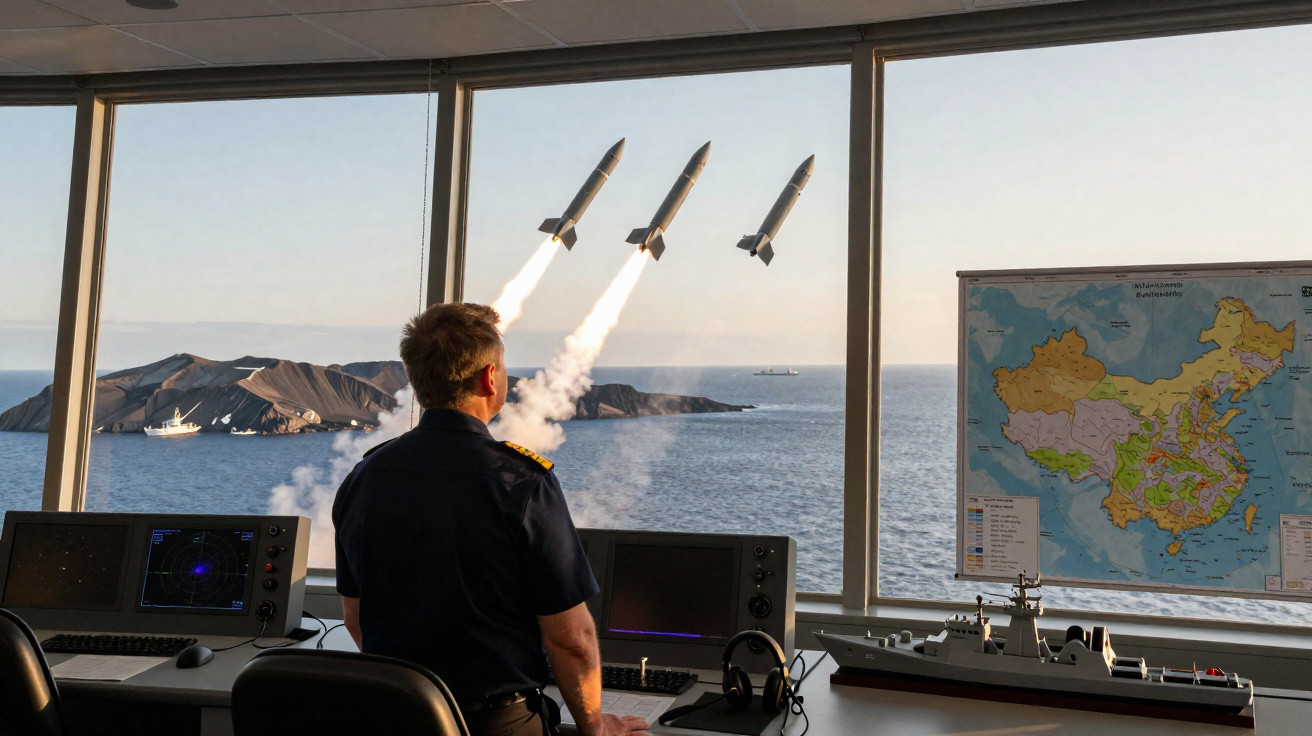
The Russian Navy has staged another display of firepower in the Pacific, using anti-ship and cruise missiles launched from a cruiser, a nuclear-powered submarine and a coastal battery. The drills involved some of the Pacific Fleet’s principal strike platforms and took place in the Kuril Islands, territory controlled by Moscow but still claimed by Japan.
👉 Read more: US Air Force declares Initial Operational Capability for the new MH-139A Grey Wolf helicopter to strengthen the nuclear arsenal
The missile cruiser Varyag launched two Vulkan anti-ship missiles, while the nuclear-powered submarine Omsk fired a salvo of Granit cruise missiles. The exercise’s third phase was conducted by a coastal unit equipped with the Bastion system, which launched Oniks missiles.
By combining these three capabilities, the Russian Navy rehearsed a defensive scenario against an opposing naval force, bringing together surface vessels, submarines and land-based systems. Russian authorities said the activity formed part of the regular combat training programme and was not aimed at any particular country.
📌 You may also be interested in:
- South Korean Navy: KSS-III Dosan Ahn Chang-ho submarine completes historic Pacific mission
- US Air Force deploys B-52H bombers to Australia to reinforce the Indo-Pacific
The chosen location, however, inevitably gave the exercise a political dimension. The Kuril Islands stretch from the Kamchatka Peninsula to Hokkaido and remain at the heart of a territorial dispute that has prevented Russia and Japan from formally signing a peace treaty since the end of the Second World War.
Tokyo’s response was swift. During a visit to Oman, Japanese Foreign Minister Toshimitsu Motegi said: “Russia’s increased military deployment in the Northern Territories, including the missile exercises, contradicts Japan’s position on the islands and we consider it unacceptable.” The Japanese government later stated that it was gathering further information on the activities.
Russian Navy missile launches in the Kuril Islands
Exercise follows major Pacific Fleet mobilisation
The launches came only days after the Russian Navy mobilised a force of more than 13,000 personnel, 60 ships, 30 aircraft and submarines for another series of manoeuvres in the Pacific. The activity was arranged to assess the Pacific Fleet’s operational readiness and test its command-and-control capability in a range of scenarios.
The training was also intended to prepare units to respond to unconventional operational situations and coordinate their actions with other Russian state structures. In this context, the use of Vulkan, Granit and Oniks missiles demonstrated the strike capabilities available to the fleet during maritime defence operations.
Russian and Chinese activity in the Pacific
Russia’s recent military activities come amid heightened Japanese scrutiny of Moscow’s movements in the region. In recent weeks, Japan’s Self-Defence Forces have also tracked a Russian Il-20 electronic intelligence aircraft and monitored Russian ships transiting the strait between Hokkaido and Sakhalin Island.
Russia’s presence in the Pacific has also been reinforced through joint activity with China. In July, the two countries concluded the Maritime Interaction 2026 naval exercise, which brought together naval and air assets for reconnaissance activities, air and missile defence, strikes against surface targets, and submarine rescue operations.
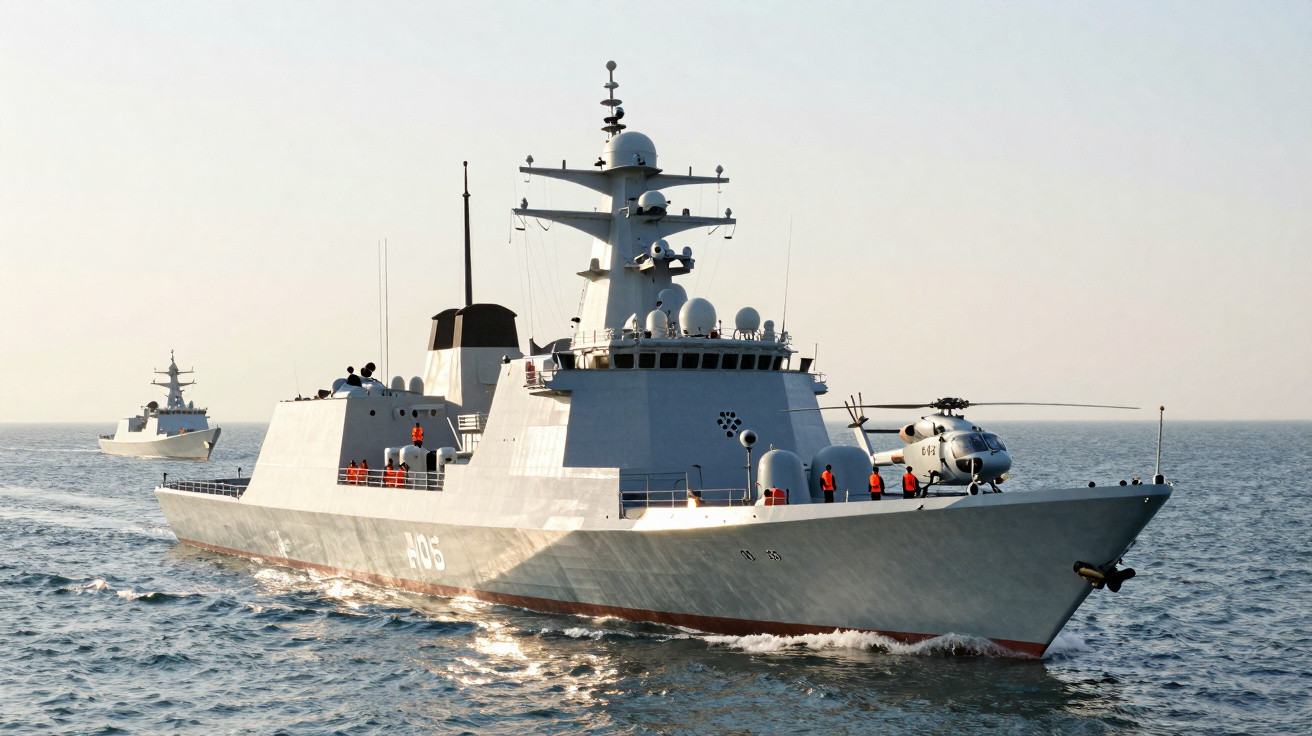
The Varyag itself took part in that activity, leading a formation that also included the submarine Ufa, the frigate Rezkiy and the rescue vessel Igor Belusov. Its involvement in both the exercises with China and the latest missile launches highlights the central role the cruiser continues to play in Pacific Fleet operations.
The new launches in the Kuril Islands therefore form part of a broader sequence of Russian naval exercises and deployments in the Pacific. Although Moscow describes them as routine training activities, the use of long-range missiles in a territorially disputed region adds a further dimension to the already strained relationship between Russia and Japan.
Image credits: Russian Ministry of Defence.
Comments
No comments yet. Be the first to comment!
Leave a Comment