
- ADD MILITARY ZONE TO YOUR GOOGLE
Why add us? Receive Military Zone news through Google.
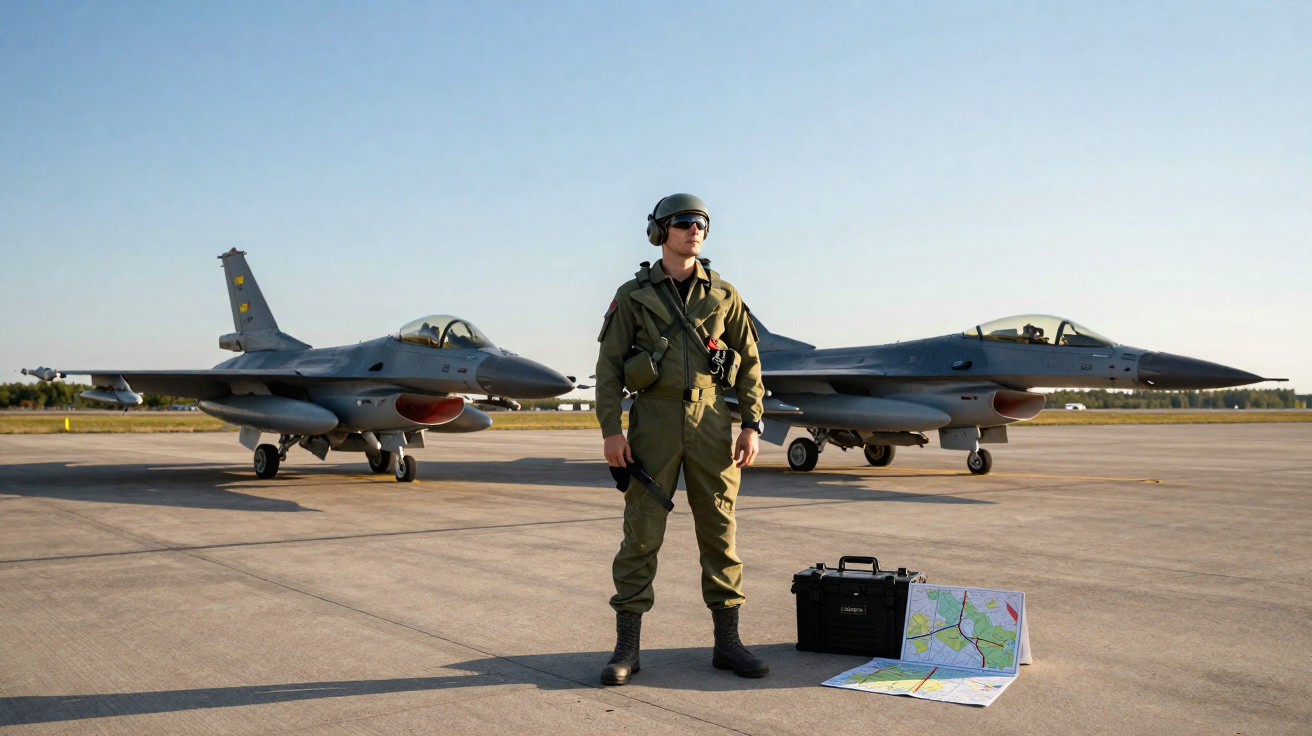
Two years after the first Lockheed Martin F-16 fighters arrived in Ukraine, the Fighting Falcons have established themselves as the new core of Ukrainian combat aviation. Formally inducted in August 2024, these aircraft have evolved from an anticipated capability intended to bolster Ukraine against the Russian invasion into the most versatile and capable element of its Air Force, during a campaign defined by the continuing attrition of Ukraine’s ageing fleet, which is largely made up of Soviet-era aircraft.
👉 Read more: US Air Force declares Initial Operational Capability for the new MH-139A Grey Wolf helicopter to reinforce the nuclear arsenal
F-16 operations in the Ukrainian Air Force
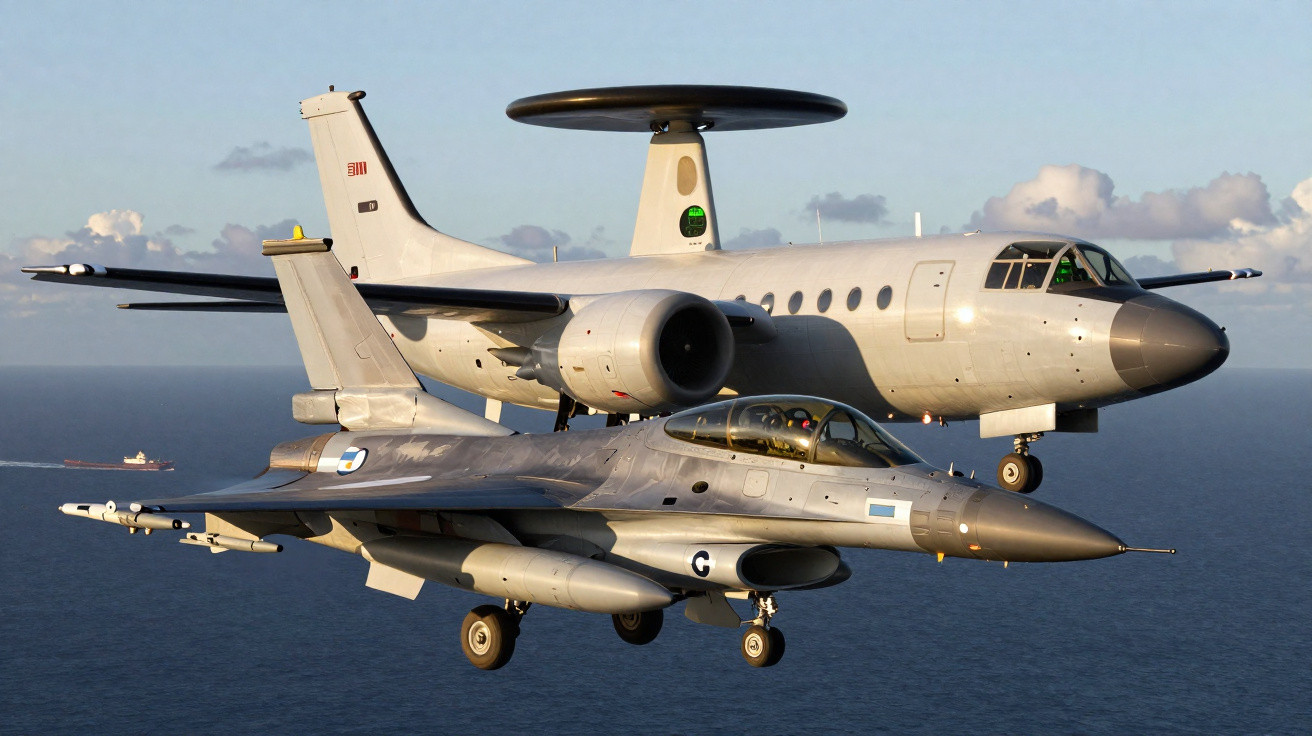
By summer 2026, F-16s make up the bulk of the Ukrainian Air Force’s 107th Wing, alongside French-supplied Dassault Mirage 2000-5 fighters. The Fighting Falcons undertake a broad range of missions and have become the Western combat aircraft most widely present within Ukraine’s air structure. Nevertheless, air-defence missions still account for much of their activity, owing to successive Russian waves of drone, cruise-missile and ballistic-missile attacks.
Operational experience has also enabled Ukrainian crews to adjust their tactics and weapons employment. Since early 2025, F-16s and Mirage 2000-5s have achieved significant results when intercepting cruise missiles, while the Fighting Falcons have shot down more than 2,500 drones from the Geran and Gerbera families. However, the high volume of sorties devoted to intercepting low-cost targets has increased aircraft wear and air-to-air missile expenditure. This has driven greater use of the 20 mm cannon and AGR-20 rockets, also known as APKWS II, in order to retain missiles for higher-value threats.
📌 You may also be interested in:
- South Korean Navy: KSS-III Dosan Ahn Chang-ho submarine completes historic Pacific mission
- US Air Force deploys B-52H bombers to Australia to strengthen the Indo-Pacific
The changing nature of operations was further demonstrated in July 2026, when a Ukrainian F-16 achieved the first confirmed destruction of a Russian Su-35 fighter. The shoot-down marked a milestone for the Ukrainian Air Force, particularly given the differences in radar capability and the range of missiles available to the two aircraft types, as well as the persistent threat posed by Russian long-range air-defence systems deployed near the front line.
F-16 transfers and the Belgian contribution
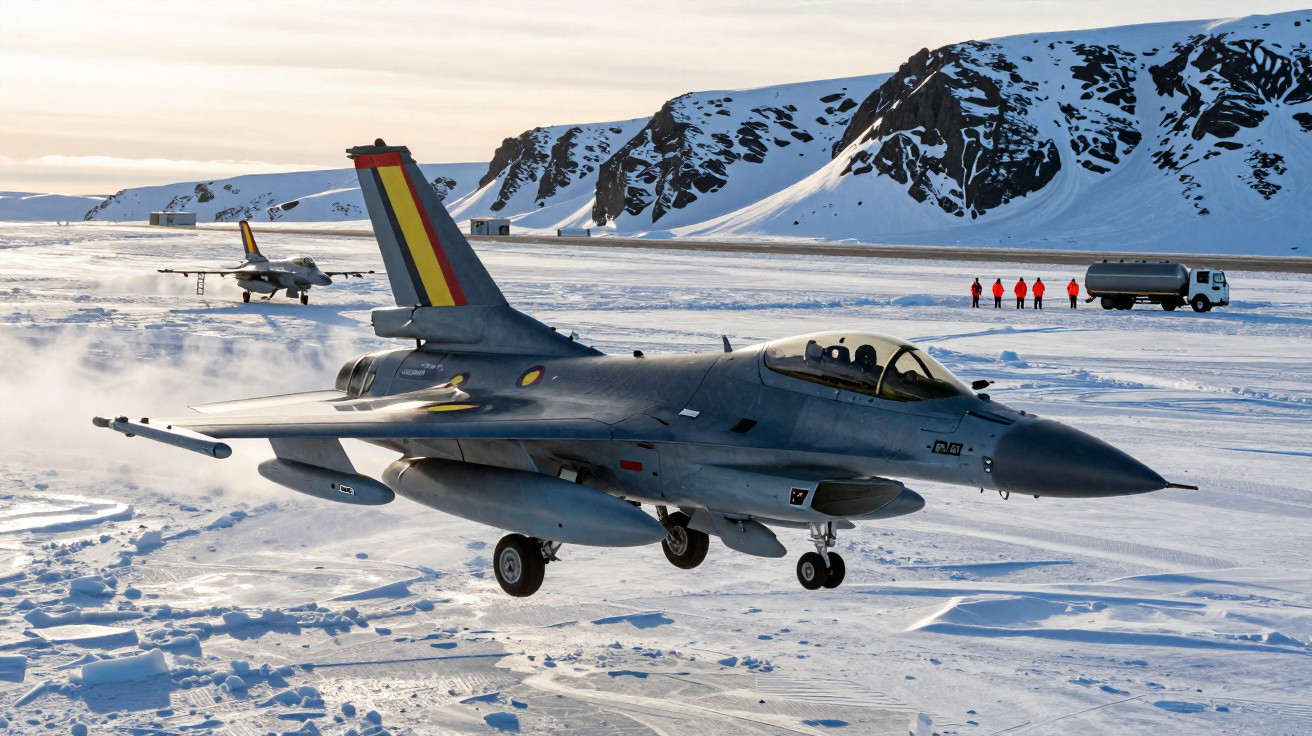
Ukraine still faces a significant aircraft induction process. So far, officially known commitments from the Netherlands, Denmark and Norway total 49 F-16s: 24 from the Netherlands, 19 from Denmark and 6 from Norway. In Norway’s case, all six aircraft were formally transferred to Ukraine between 2024 and 2025, although some required additional work before reaching operational status. Belgium is also part of this process, though its timetable remains dependent on the gradual induction of the F-35A Lightning II and the retirement of its own Fighting Falcons.
The Belgian outlook, however, requires further clarification. In June 2026, Defence Minister Theo Francken confirmed that Belgium would transfer seven F-16s to Ukraine before the end of the year. Three would be assigned to operational missions, while four would serve as a source of spare parts. This initial delivery forms part of a broader plan for the phased transfer of Belgium’s fleet, which earlier information had projected at up to 53 aircraft by 2029. Yet that figure, and any potential staggered delivery schedule, remain subject to the progress of Belgium’s transition to the F-35A and Brussels’ operational requirements.
Gripen fighters broaden Ukraine’s combat aviation renewal
The renewal of Ukrainian combat aviation is no longer confined to the F-16. Sweden has confirmed the transfer of up to 16 JAS 39 Gripen C/D fighters as military assistance, with their induction expected from early 2027; they may be accompanied by long-range Meteor air-to-air missiles. In parallel, Ukraine and Sweden signed an agreement on 30 June 2026 for the acquisition of 16 Gripen Es, with deliveries set to begin in 2029. Two years after the arrival of the first Fighting Falcons, the Ukrainian Air Force is therefore undergoing a profound transformation: F-16s already form the main pillar of its combat aviation, while the induction of Gripen C/Ds and, later, Gripen Es is intended to establish an air force increasingly removed from its historic reliance on Soviet-origin platforms.
Comments
No comments yet. Be the first to comment!
Leave a Comment