
Why add us?
Get the latest updates from Zona Militar in your Google feed.
Join our official WhatsApp channel and receive news as it happens.
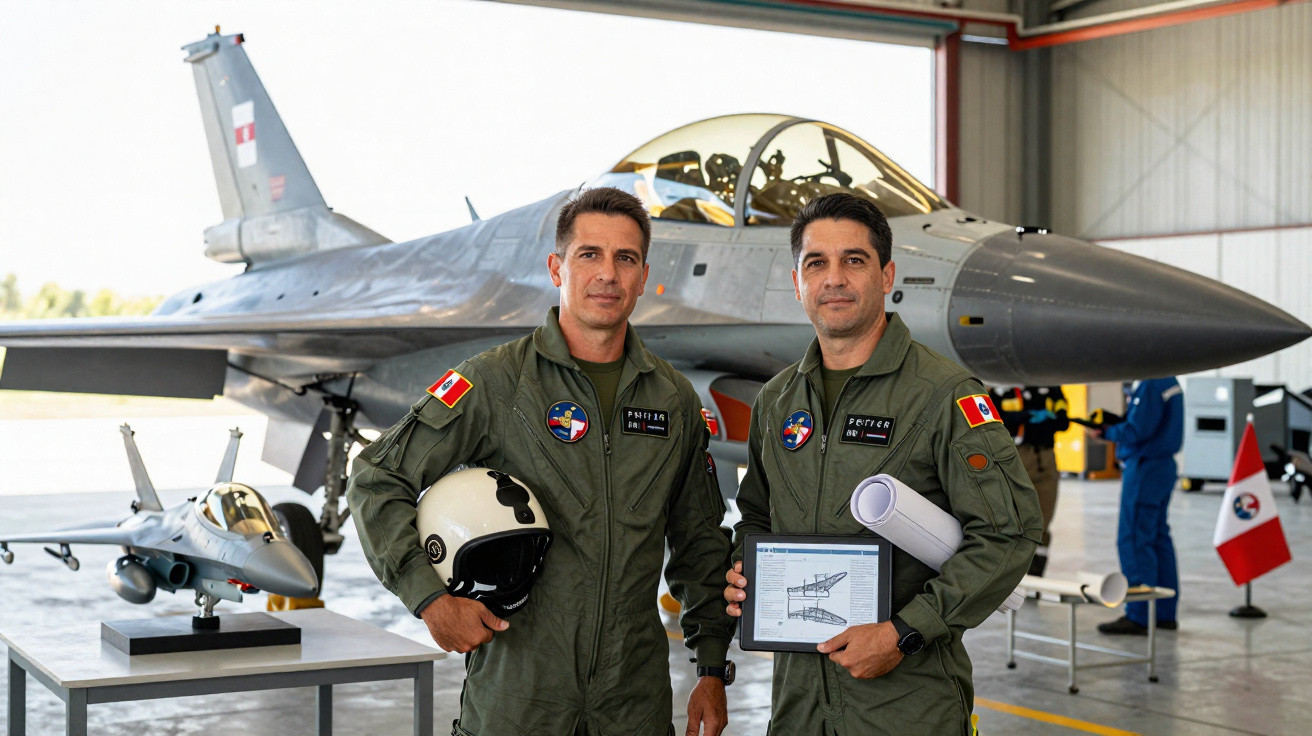
As part of its proposal for the Peruvian Air Force (FAP) F-16 Block 70 programme, Lockheed Martin has put forward a broad industrial and social co-operation package worth US$1.8 billion in economic value. The package is intended to support the introduction of the new multirole fighters while strengthening the South American country's industrial and technological capabilities. It includes potential co-production of defence equipment and advanced uncrewed aircraft systems, specialised engineering training, knowledge transfer, and the development of a new curriculum for a space academy. According to the company, these initiatives would progressively bring Peruvian businesses into its global supply chain.
👉 Read more: The Spanish Air and Space Force secures its strategic ISR capability with a new support contract for its MQ-9A Predator B
Lockheed Martin's industrial package for Peru's F-16 Block 70 programme
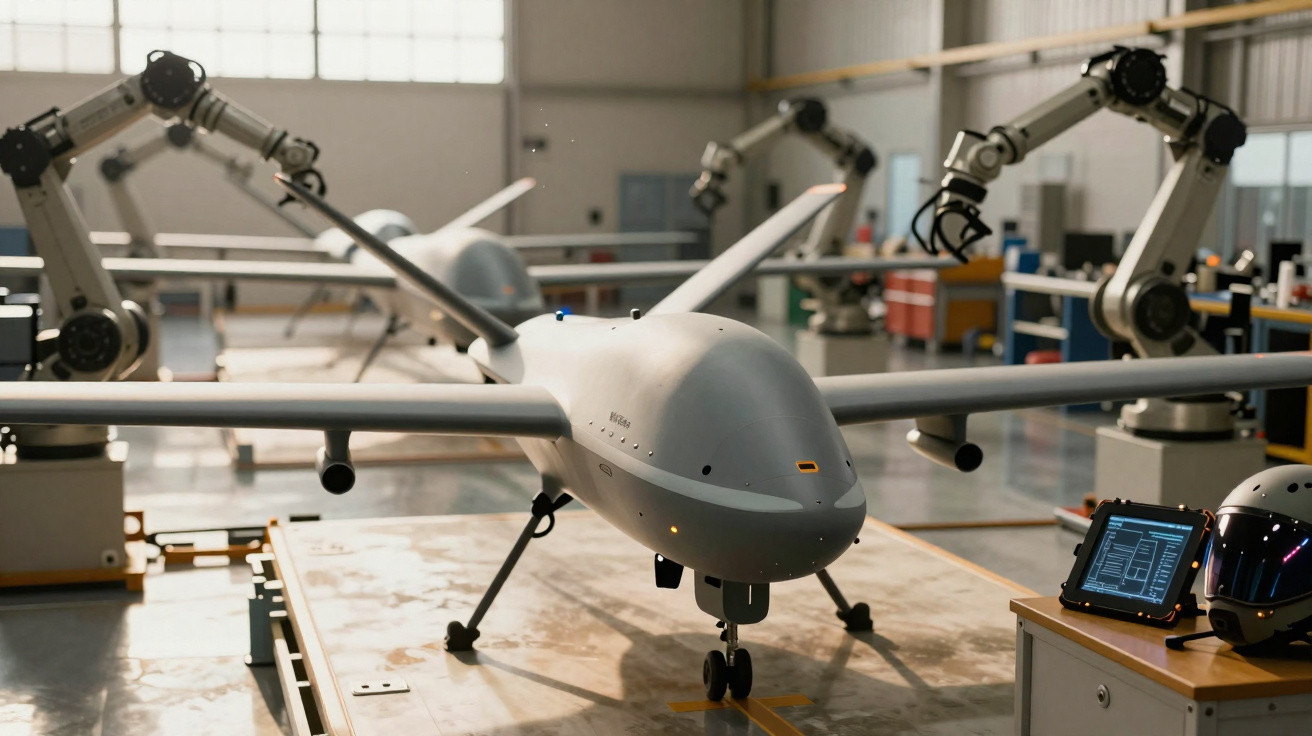
Among the proposed projects is the assembly in Peru of an uncrewed aerospace aircraft for the Latin American market, as well as the establishment of joint research centres and a Technical Institute for Uncrewed Aircraft Systems (UAS). These measures would be complemented by advanced engineering and fighter maintenance training programmes, alongside an expansion of the country's high-technology maintenance, repair and overhaul (MRO) capacity. Lockheed Martin argues that the F-16 programme could serve as a catalyst for the internationalisation of Peruvian industrial capabilities, establishing the country as a potential regional hub for advanced uncrewed systems and aerospace services.
“Lockheed Martin is committed to building a long-term partnership that benefits Peru and its people while strengthening its defence capabilities,” said Tara Lause, the company's Vice President of Business Development for the Integrated Fighter Group. The executive stressed that co-operation with local industry would seek to create high-value opportunities to develop a specialist workforce, enable knowledge transfer and deliver a lasting economic impact. The proposal follows the message used by the company after the Peruvian Government selected the F-16 Block 70, when it had already indicated its intention to expand industrial co-operation opportunities linked to the programme.
📌 You may also be interested in:
- The Republic of Singapore Air Force will keep most of its new F-35s based in the United States
- With Airfox drones and 8 countries involved, the Spanish Navy deploys BAM Meteoro to the Gulf of Guinea
Peru's F-16 Block 70 acquisition and planned capabilities
The package was presented after Peru confirmed its selection of the F-16 Block 70 in April, beginning the transformation of its combat aircraft fleet. The initial contract covers 12 new aircraft, while the programme is intended to reach a total of 24 units. They are set to progressively replace the Mirage 2000 and MiG-29 aircraft, which currently face significant limitations because of their age. Peru's then Ministry of Defence had previously underlined that the decision resulted from an evaluation process initiated years earlier. Lockheed Martin, meanwhile, maintains that introducing the F-16s will reinforce air sovereignty and interoperability with the United States and other international operators of the type.
At systems level, the future Peruvian fleet is also progressing with the selection of specific equipment. In August, Peru confirmed the adoption of L3Harris's Viper Shield electronic warfare system, designed to improve the F-16 Block 70's survivability against modern threats including radars, missiles and electronic defence systems. The system's selection supplements the advanced sensor package planned for the Block 70, which includes the APG-83 AESA radar, digital avionics and other systems intended to enhance the aircraft's situational awareness and combat capabilities.
“With the F-16 Block 70, Peru would not only be acquiring the most advanced and capable fourth-generation fighter, but it would also be creating enduring partnerships, strengthening military co-operation and generating industrial collaboration opportunities with the United States and many other countries,” Lause stated. Lockheed Martin currently says that more than 2,800 F-16s are operating in 29 countries, while Peru's aircraft will be produced at the company's Greenville, South Carolina, facilities. The industrial package is therefore intended to ensure that the purchase of the new fighters goes beyond adding a combat platform, also serving as a tool to expand Peru's technological, industrial and aerospace capabilities.
About the Peruvian Air Force's future F-16 Block 70 aircraft
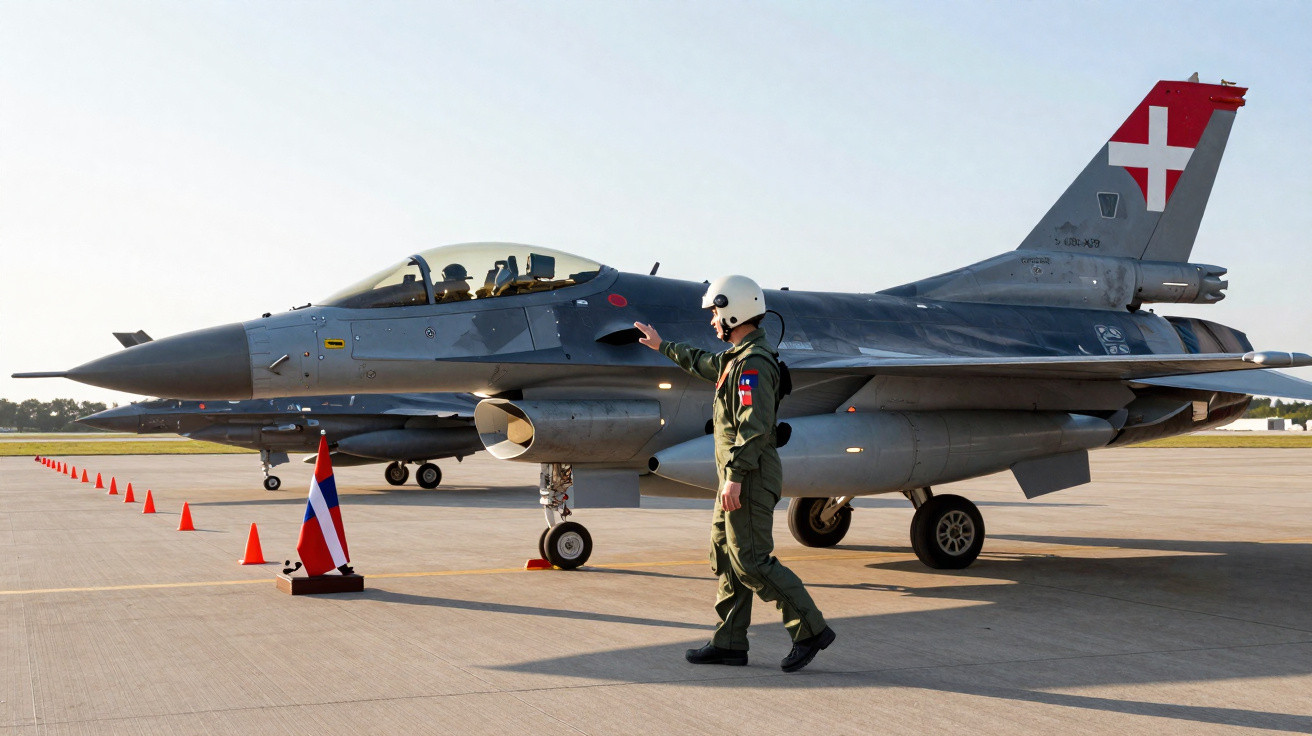
Photographs used for illustrative purposes.
Comments
No comments yet. Be the first to comment!
Leave a Comment