
France has now banned social media for under-15s. How will the law be enforced?
It is official: Parliament has approved a ban on social media for anyone under the age of fifteen. France is therefore the first European country to introduce such a far-reaching measure. The move is paired with a ban on smartphones in upper secondary schools.
The social media ban was one of Emmanuel Macron’s final political battles. The law was passed last night in a final National Assembly vote, with 279 votes in favour and 81 against, following a joint committee process. The President welcomed the development - in a message posted on social media:
“France is leading the way in Europe in protecting our children and teenagers. We keep going!”
Social media ban: how will it work?
The legislation is due to take effect very quickly, although several aspects have yet to be clarified. No individual social network is explicitly named, but Facebook, Instagram, X, Snapchat, TikTok and similar services are clearly covered. Some exceptions apply, including Wikipedia. YouTube and WhatsApp will remain available, but comments beneath videos will be disabled on YouTube, while teenagers using WhatsApp will only be able to access chats. “Family” groups are therefore unaffected.
From 1 September, children under fifteen will no longer be able to create a social media account. Those who already hold one or more accounts will have a grace period until 1 January 2027, after which their access will be limited.
Age verification on social media platforms
Responsibility for checking users’ ages will fall to the platforms. For now, exactly how these checks will operate remains unclear. Platforms will have to develop their own system, relying on identity-card verification through a scan or FranceConnect. Brussels is also working on an age-verification app that would be standardised across the European Union.
Facial recognition, however, will not be used because it is considered too inaccurate. This is the particular issue that has concerned opponents of the law. Checking teenagers’ ages on social media means checking everybody’s age. Adults, too, will therefore need to show an identity card before gaining access. Critics say this marks the end of internet anonymity, overlooking the fact that it has never truly existed. Others, including Xavier Niel, argue that the measure will be ineffective because teenagers will find ways around it.
Platform responsibility and possible workarounds
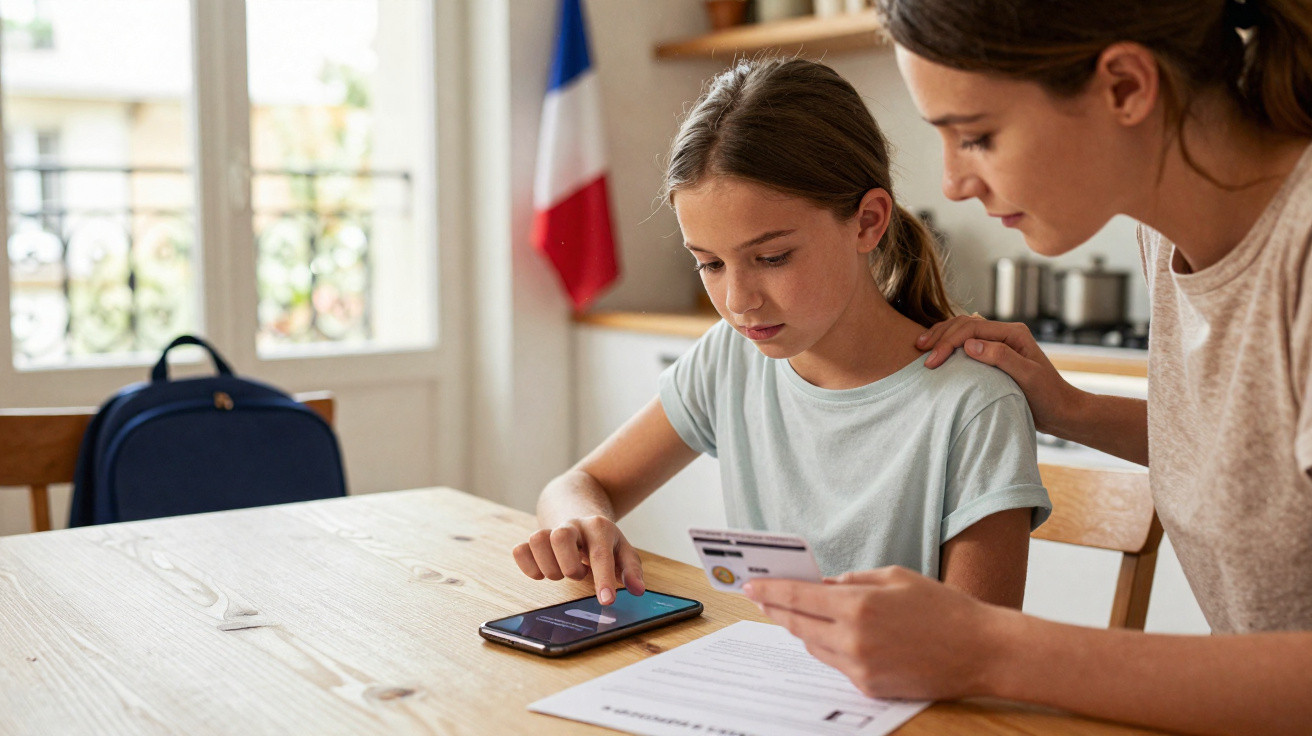
Teenagers are resourceful, and many will access social media by scanning a relative’s national identity card or using a VPN. Parents need not worry: they face no legal penalty. The law places the responsibility on platforms rather than users. If the filters they implement fail to work, the platforms - and only the platforms - may face legal sanctions.
France is the first European country to take this step, but Denmark, Greece and Slovenia could follow. European-wide harmonisation may not be far away.






Comments
No comments yet. Be the first to comment!
Leave a Comment