
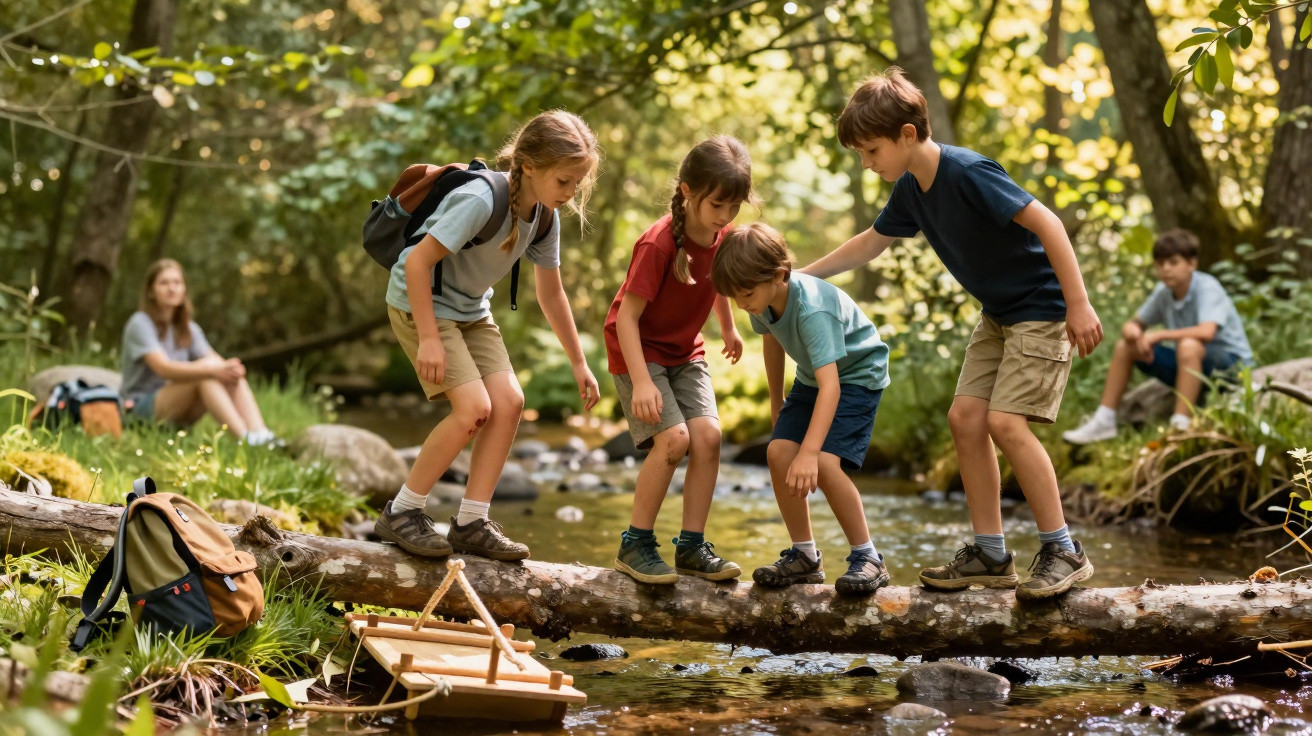
Many people assume earlier generations were more resilient solely because they received a stricter upbringing. Yet the freedom to face minor everyday difficulties enabled strong inner self-regulation and genuine emotional independence to develop.
Why did a freer childhood strengthen emotional balance?
In past decades, boys and girls spent long stretches without continual adult supervision. This healthy distance gave them the right setting to practise making decisions, building a strong capacity to adapt and considerable personal self-confidence.
Because adults did not immediately step into minor disagreements, children had to find solutions themselves. This ongoing practice taught them to endure uncomfortable feelings, making everyday maturity a powerful driver of lasting psychological stability.
Why did children in the past cope better with frustration?
A routine with less direct supervision encouraged children to settle everyday setbacks independently, meaning that… Read more
What is the effect of overprotection on development?
Today’s tendency to monitor every step a child takes reduces their opportunities to experience mistakes constructively. Overly watchful parents can prevent young people from learning how to process ordinary frustrations, increasing anxiety and creating early insecurity.
When parents or carers resolve every childhood difficulty, children lose opportunities to practise important social skills. This overprotective pattern restricts creativity when facing real problems and weakens the resilience needed to confront life’s unavoidable obstacles.
Below is a video from The Parenting Ed-Ventures Podcast YouTube channel that explores the points discussed in this topic in greater depth:
How does outdoor play encourage independence?
Unstructured play gives boys and girls the chance to explore their own physical limits naturally. Climbing trees or running in open spaces encourages a considered assessment of danger while developing excellent physical and mental coordination.
Direct contact with nature also fosters curiosity and helps regulate more intense emotions. Away from digital screens, children practise concentration and persistence, finding imaginative ways to turn boredom into sheer enjoyment.
Foundations of Resilience
Pillars of Independent Development
Essential elements for nurturing young people’s capacity to adapt:
- Space to resolve minor disagreements with friends without adult help;
- Exposure to outdoor play that includes measured challenges;
- Free time to deal with boredom and cultivate creativity.
What distinguishes healthy autonomy from harmful neglect?
Encouraging autonomy does not mean leaving a child unsupported or exposing them to serious risks without any assistance. It means providing an affectionate, safe environment in which they can exercise individual judgement and gain maturity without intrusive interference.
True neglect occurs where affection, basic guidance and essential care for young people’s health and protection are absent. Guided freedom, by contrast, sets clear boundaries, allowing spontaneous learning and creating a solid foundation of emotional security within the family.
Several practical approaches can help parents promote independence without compromising protection:
- Allow the child to address minor difficulties before stepping in;
- Encourage them to complete simple household tasks each day;
- Provide regular opportunities for free play and outdoor exploration.
How can parents foster resilience today?
Modern parenting can recover positive aspects of the past while adapting them to the needs and realities of contemporary daily life. Encouraging small everyday choices helps children develop genuine responsibility and strengthens their sense of personal agency from an early age.
Offering attentive, supportive listening rather than rushing to solve every discomfort teaches children how to manage their emotions. In this way, the new generation develops valuable inner resources, ensuring balanced growth and enduring self-confidence for the future.




Comments
No comments yet. Be the first to comment!
Leave a Comment