
- ADD ZONA MILITAR ON GOOGLE
Why add us? Receive Zona Militar news on Google.
Russian Baltic Fleet air-defence exercise
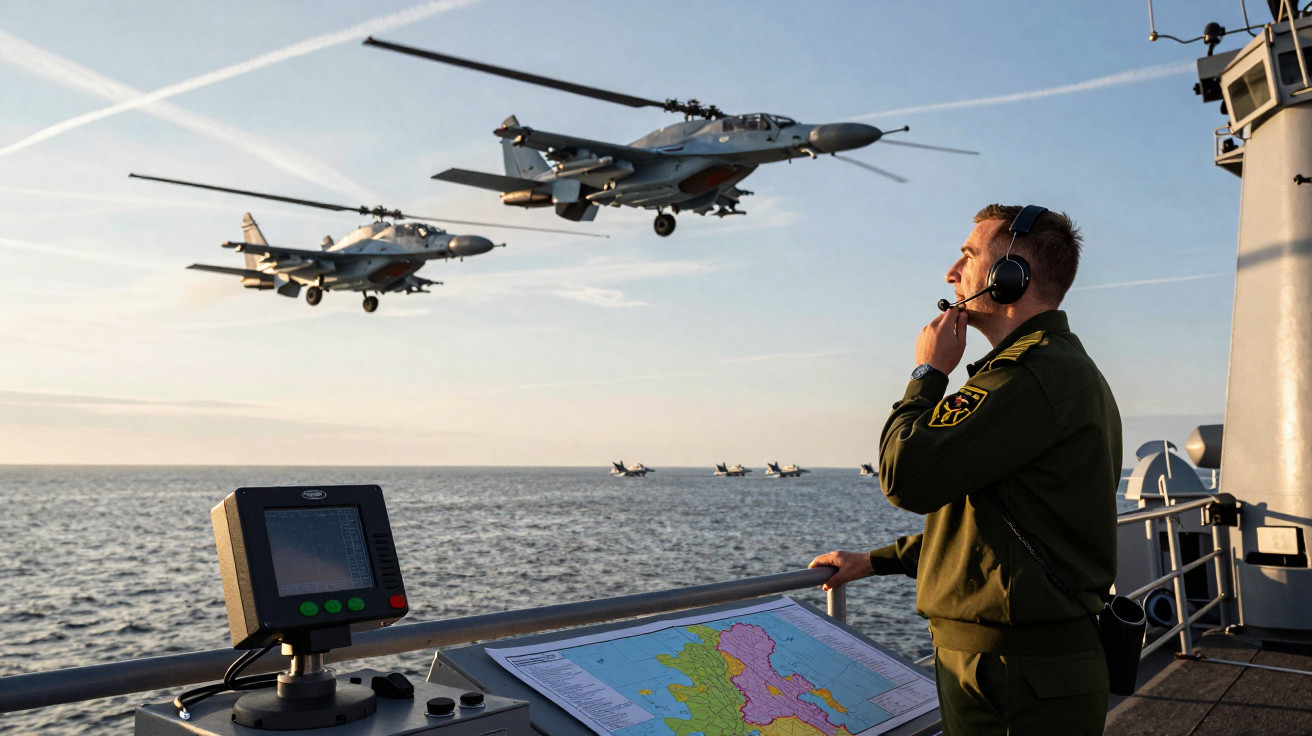
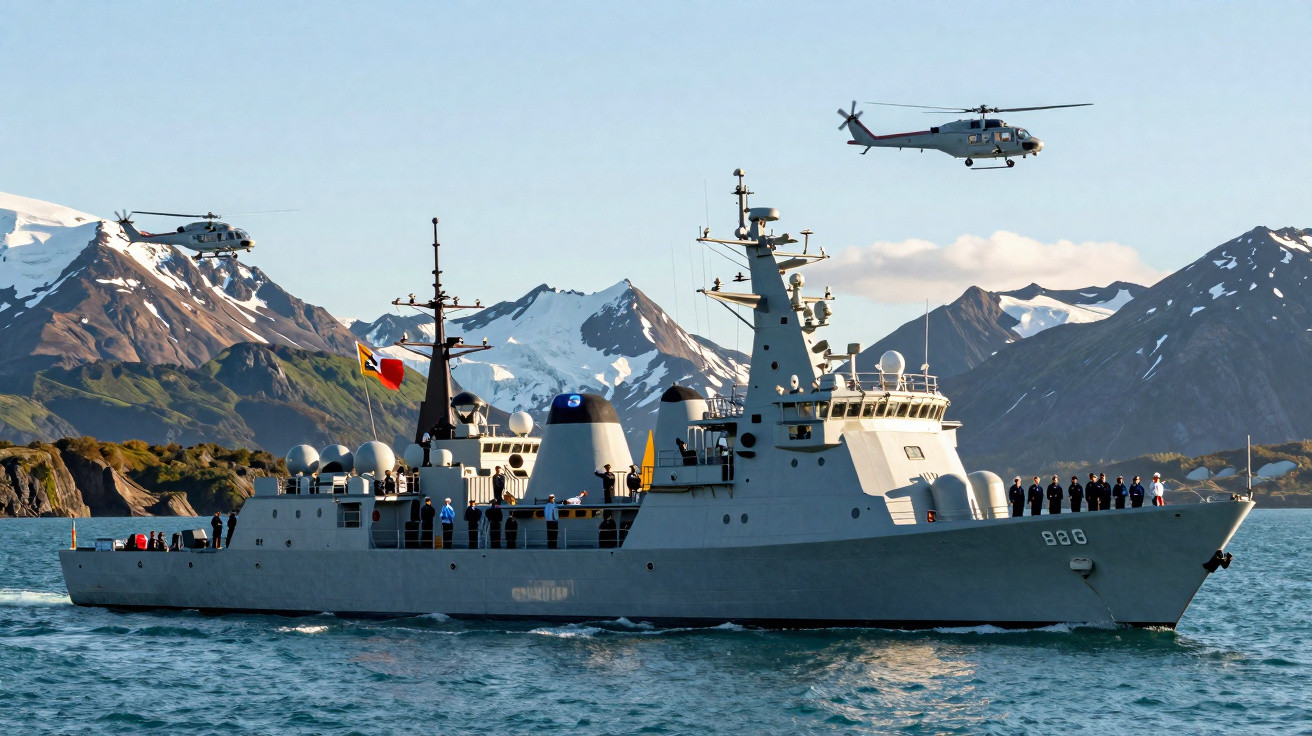
Just days after an unusually large concentration of NATO aircraft near Kaliningrad, the Russian Navy conducted fresh air-defence drills in the Baltic Sea. The exercise recreated a large-scale air attack against the Russian enclave, deploying naval assets, combat aircraft, attack helicopters and drones.
👉 Read more: US Air Force declares Initial Operational Capability for the new MH-139A Grey Wolf helicopter to strengthen the nuclear arsenal
According to information released by the service, Baltic Fleet units based in Baltiysk were put on alert after ground-based surveillance systems detected a simulated enemy air force approaching the area. Once the threats had been identified, naval units initiated their defensive procedures and used anti-aircraft artillery and missile systems during the drill.
Simulated attack involving Su-30 fighters and Mi-24 helicopters
As we reported on 19 August, the activity involved multirole Su-30 fighters, Mi-24 attack helicopters and unmanned aerial vehicles, which were used to replicate different threats and scenarios linked to the modern operational environment. Although Moscow did not provide details on the number of ships taking part or the air-defence systems used, the Russian Navy stated that the crews successfully countered the simulated attack.
📌 You may also be interested in:
- South Korean Navy: KSS-III Dosan Ahn Chang-ho submarine completes historic mission in the Pacific
- US Air Force deploys B-52H bombers to Australia to reinforce the Indo-Pacific
Exercise follows major NATO aircraft concentration near Kaliningrad
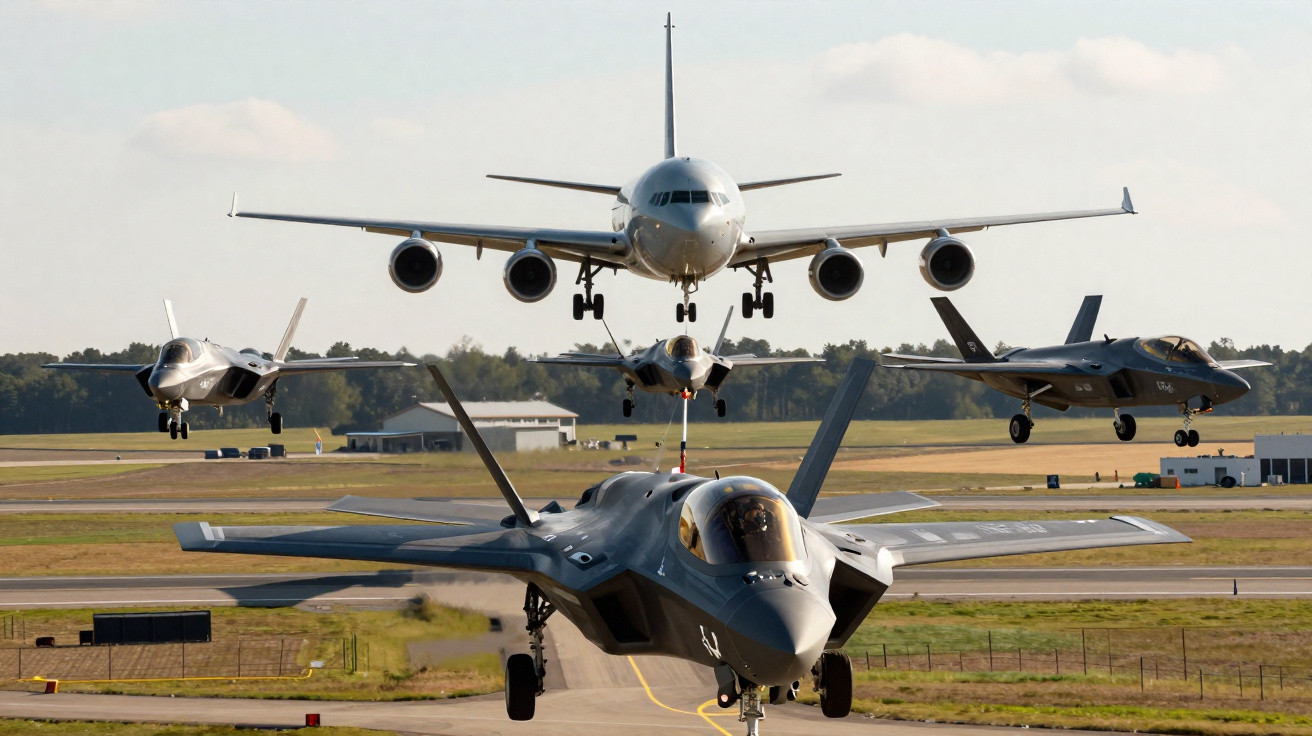
The training took place only days after extensive NATO air activity in Eastern Europe, particularly in areas close to the Russian enclave. On 19 August, at least 50 aircraft from various Alliance countries were recorded operating in the region. The deployment ranged from fighters to airborne early-warning aircraft, tankers and platforms specialised in intelligence and electronic warfare. Identified assets included F-35s, E-3A AWACS aircraft, KC-135s and A330 MRTTs.
One particularly notable element was the presence of a US Air Force EA-37B Compass Call. The electronic-warfare aircraft was detected flying orbit patterns for around two hours in Polish airspace, in an area close to Kaliningrad.
According to information released by local military sources, the EA-37B operated in coordination with an E-3A AWACS and a Bombardier Challenger 650 ARTEMIS II aircraft, a platform equipped for intelligence, surveillance and reconnaissance missions. The combination of these assets fuelled speculation about the scope of NATO's activities in the area, particularly given the presence of platforms dedicated to intelligence collection and electronic warfare.
For its part, the Alliance gave little information about the specific purpose of the major deployment. Citing operational security, it limited itself to saying that the activity formed part of routine training intended to improve member states' defensive capabilities and was not an action directed against Russia.
Kaliningrad remains one of the Baltic's main flashpoints
For Moscow, Kaliningrad is a strategically vital position for its military presence in the Baltic Sea. The enclave hosts ground forces, tactical aviation units, anti-ship missile systems and ballistic weapons, including capabilities potentially linked to nuclear deterrence. Its position between Poland and Lithuania makes the area one of the principal contact points between Russian forces and NATO countries in Europe.
In this context, the recent sequence of intelligence and electronic-warfare aircraft flights near the enclave, followed by the Baltic Fleet's air-defence exercises, highlights growing military activity around Kaliningrad.
Although both sides portray their respective operations as routine training and defensive-preparedness activities, the geographical proximity of the assets involved keeps the region among the most sensitive theatres in the current strategic confrontation between Russia and NATO.
Images used for illustrative purposes only.

Comments
No comments yet. Be the first to comment!
Leave a Comment