
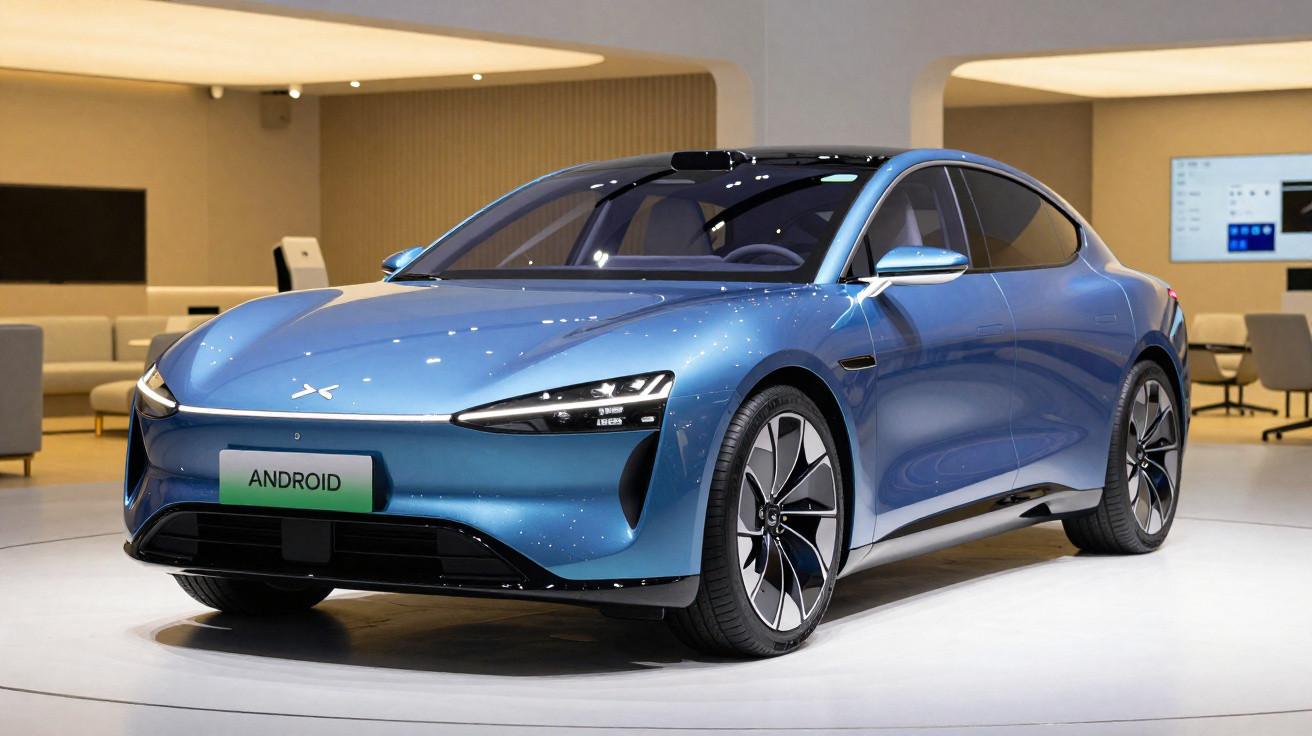
Google is strengthening its presence in the automotive sector with two distinct products: Android Auto and Android Automotive. Although their names are similar, they are fundamentally different systems.
Android Auto: your smartphone interface in the car
Android Auto is a smartphone projection platform. In effect, the phone acts as the ‘brain’, while the vehicle display serves as its monitor. Every app runs on the smartphone, with the car showing an interface tailored for driving. It supports navigation, music, messaging, points of interest, IoT and weather. The newer categories of games and video are available only when the vehicle is parked.
Using Android Auto requires a compatible infotainment system. It can connect either by cable or wirelessly. Where a car does not include support from the factory, the system can be added through an aftermarket head unit or an adapter.
Android Automotive: an operating system built into the vehicle
Android Automotive operates at an entirely different level. It is a complete operating system installed directly in the vehicle itself. It controls climate settings, cameras, seat adjustments, navigation and other functions. Unlike Android Auto, it does not require a smartphone. Manufacturers can extensively customise Android Automotive to suit their own brand. If they choose, they can license Google Automotive Services, which provides access to the Play Store, Google Maps and Assistant.
Some companies, including BMW, develop their own solutions without the full range of Google services. Android Automotive is already used by Polestar, Volvo, Chevrolet, Cadillac, Renault, Honda, Nissan, Ford and other brands. Its rollout is slower, however, because it places greater demands on hardware and involves higher development costs.
The key difference between Android Auto and Android Automotive
The central distinction is straightforward: Android Auto brings your phone’s interface into the car, while Android Automotive is the car’s own ‘operating system’. At the same time, Automotive can support both Android Auto and Apple CarPlay, provided the manufacturer does not restrict those functions.
For Google, Android Automotive appears to be the more strategically powerful tool because it offers direct access to the vehicle without the smartphone acting as an intermediary. For users, though, Android Auto remains the more universal and flexible option, particularly when changing cars.
Comments
No comments yet. Be the first to comment!
Leave a Comment