
Pregnancy and biological ageing
Having children undeniably places substantial strain on the body, with effects that reach almost every system.
Yet despite the widely recognised health demands of parenthood, there is no established way to quantify the biological toll pregnancy places on a mother during gestation.
New research led by scientists at Yale University may help clarify the processes driving cellular ageing both during pregnancy and after birth.
Studies of human DNA and the molecular modifications it gathers over time - a process known as biological ageing - have revealed how demanding carrying a child is for the body's cells. The effect is comparable with severe experiences such as major illness or surgery, apparently adding years' worth of changes to a childbearer's cells.
Reassuringly, the biological burden associated with highly stressful events may be temporary and capable of reversal. Unlike chronological age, marked by birthdays, biological age can pause or even move backwards after periods of stress have passed.
Yale study tracks changes before and after delivery
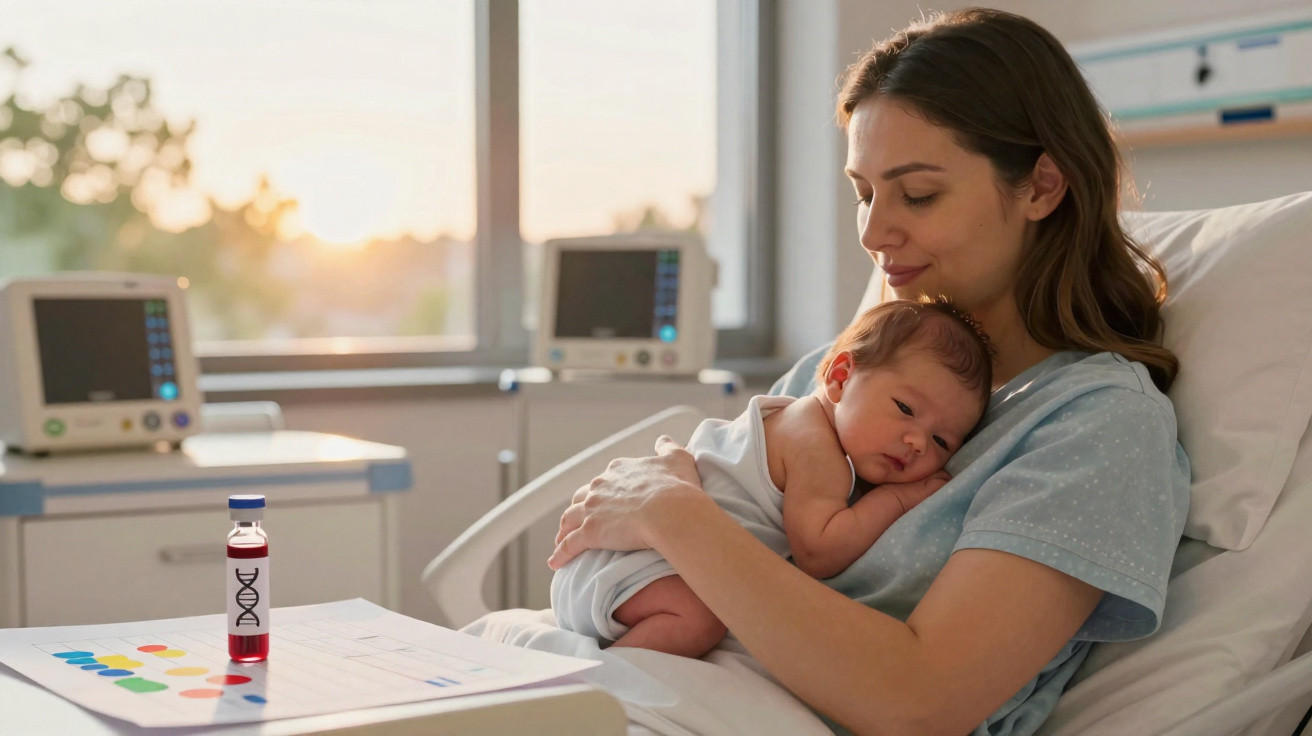
A recent assessment of blood samples collected from 119 women at different points in pregnancy and following delivery provides compelling detail to support those earlier observations. It found a "pronounced reversal of biological aging" after childbirth.
For some mothers who breastfed, the results suggested a genetic fountain of youth: their biological age was rolled back to an earlier point than before conception.
Although these measurements suggest the body can recover remarkably well from the sweeping changes associated with pregnancy, senior researcher Kieran O'Donnell stresses that the underlying mechanisms remain far from understood.
"Lots to follow up on here," says O'Donnell, a reproductive scientist at Yale.
"First, we don't know if the postpartum recovery effect is relevant for short or long term maternal health outcomes and if these effects accumulate over successive pregnancies. Likewise, we don't know if the postpartum decrease in biological age is simply the system recovering to pre-pregnancy biological age or, more provocatively, if pregnancy may have a rejuvenating effect."
Epigenetic changes and maternal health
Many forms of environmental adversity can lead organisms to place chemical locks on particular genes, helping regulate their biological activity. Known as epigenetic changes, these alterations can persist as cells divide and reproduce, and may also be inherited by later generations.
Epigenetics can act as a relatively standard clock for senescence when used to assess biological age, making it possible to compare functional states among individuals. A difficult life marked by poor nutrition, fear or ill health may alter a cell's nuclear material compared with that of someone raised with affection and good food.
O'Donnell and his colleagues' study suggests that a mother's cells may acquire approximately 2.5 years of epigenetic modifications across only 18 weeks of gestation, spanning early to late pregnancy.
The researchers found that weight gained during pregnancy did not affect epigenetic change. However, a mother's BMI before pregnancy was linked to greater cellular ageing during gestation.
Sleepless nights, back pain and continual nappy changes bring stresses of their own, but delivering a baby appears to provide welcome relief for the mother's body. Biological age fell by up to three times the amount it had risen during early pregnancy. Among mothers who said they breastfed, postnatal epigenetic changes could even indicate a biological age considerably younger than that recorded at the start of pregnancy.
The research was published in Cell Metabolism.






Comments
No comments yet. Be the first to comment!
Leave a Comment