
It is often about more than simply having a “bad character”.
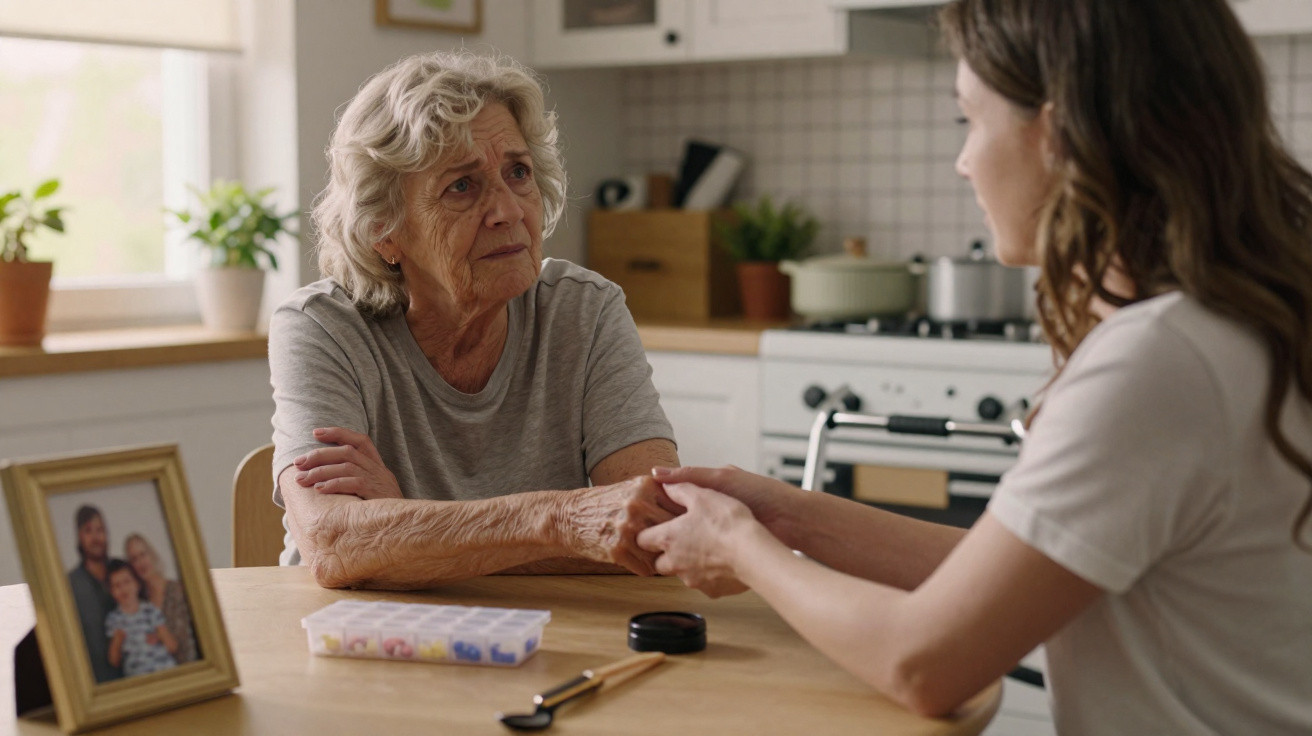
Many families recognise the situation: as the years pass, parents, grandparents or a partner begin to change. Arguments flare up more quickly, offers of help are rejected, and every minor issue turns into a row. What looks like sheer stubbornness from the outside usually has deep emotional causes – and follows recognisable patterns.
Why some people seem more difficult in old age
There is a common belief that people become more stubborn as they get older. That is not entirely true, as this does not happen to everyone. Yet some people do develop increasingly pronounced behaviours that make them seem difficult, complicated or simply stubborn in everyday life.
There are also genuine pressures to contend with: physical discomfort, the loss of friends, uncertainty about technology, and worries about money or care. People who feel threatened internally often respond by trying to take control, withdrawing or resisting – which relatives may then experience as “completely exhausting”.
Many stubborn reactions in old age are protective strategies against fear, loss of control and loneliness – not malice.
1. When every change becomes a drama
One of the clearest signs is intense resistance to anything unfamiliar. Whether it is a new bus route, a smartphone, a change at the GP surgery or a different supermarket layout, each alteration can feel like an attack on the person’s own order.
- New technology is flatly rejected (“I don’t need that”).
- Long-standing routines are defended fiercely.
- Minor changes trigger disproportionate anger or panic.
Insecurity often lies beneath this behaviour. Someone who has managed well with familiar processes for many decades may find today’s fast pace overwhelming. Routines offer a sense of safety, so anything that disrupts them can feel threatening.
A gradual and respectful approach is helpful: rather than pushing, explain, demonstrate, repeat and highlight small successes. People are more willing to try something new when they do not feel judged or “re-educated”.
2. Constant criticism and complaining
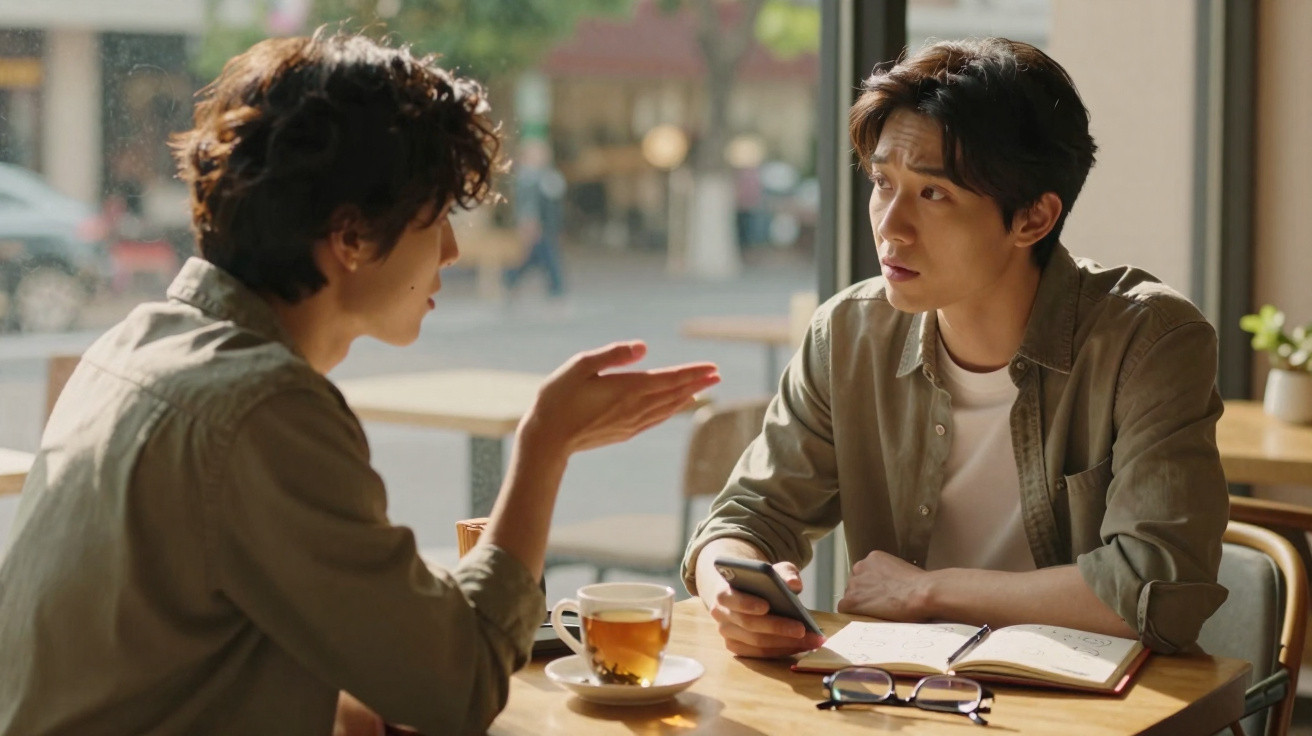
Many relatives describe the same shift: a person who was once humorous now has a constant comment about clothing, work, relationships, raising children, music or food – and nothing seems to meet their approval.
This continual criticism generally serves two purposes:
- It creates a feeling of control: “I still have something to say.”
- It secures attention: people who criticise are unlikely to be ignored.
Psychological research suggests that older people often defend entrenched opinions more strongly. New arguments may struggle to get through because their own view has been reinforced for decades. This adds to the sense that “you can no longer have a reasonable conversation with him or her”.
One useful everyday strategy is not to respond to every barbed remark. Humour can take the edge off some comments (“I’ve taken note of your fashion mark”), while others can be firmly redirected (“We’re not discussing my weight now; let’s talk about your garden instead”).
3. When attention is fixed on the past or worried about the future
Another common pattern is that those affected are rarely present in the here and now. They may either continually insist that “everything was better in the past” or imagine bleak futures involving illness, a care home or financial hardship.
This narrow focus makes everyday flexibility more difficult. Those who idealise the past or fear the future tend to cling even more tightly to the present. Any change then seems like another piece of an alarming development.
Small everyday anchors that draw attention to the moment can help: shared rituals, consciously noticing pleasant little things, and talking about what went well today. Elements of mindfulness can be effective even in later life, provided they are explained clearly and not presented as “esoteric”.
4. Withdrawing from social contact
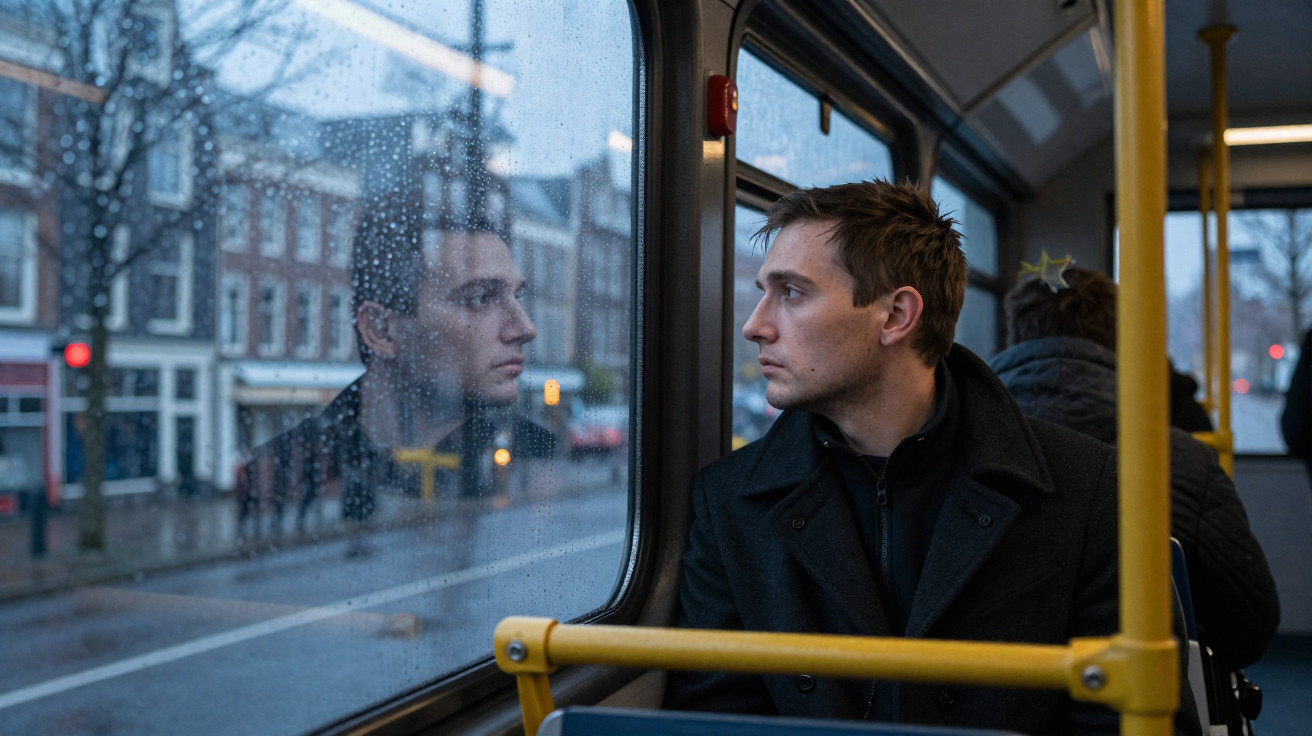
Retirement, illness or moving home can cause older people to lose much of their social network. Daily office conversations, chats at the workbench or gatherings with colleagues in the canteen may suddenly be gone.
If they do not form new connections, they can easily enter a cycle:
- Fewer contacts lead to feelings of loneliness.
- Loneliness intensifies fears and negative thoughts.
- They become more suspicious, sensitive and rigid.
- Others withdraw because they find them “difficult” – and the circle is complete.
Studies show a clear link between social isolation, declining cognitive performance and increasing behavioural rigidity. People who receive little stimulation from the outside can become mentally fixed more quickly.
That is why it is worth acting early: groups for older people, neighbourhood projects, clubs, classes or digital meet-ups can help reopen the inner door a little.
5. A strong need for independence
Many older people have worked all their lives, raised children, built homes and survived crises. This life’s work is closely tied to the feeling: “I can manage on my own.”
For this very reason, having to accept help can be almost unbearable for some – whether with shopping, a GP appointment or technology. They may see offers of support as an assault on their dignity.
People who reject a walking frame are often not fighting the equipment, but the feeling: “Now I am old and dependent.”
Conflicts can be eased when support is framed as cooperation rather than control: “Let’s do this together” instead of “You can’t manage this on your own any more.” Small choices (“Would you like me to drive, or would you rather call a taxi?”) preserve a sense of self-determination.
6. Old hurts are not let go
As people age, many things accumulate: family disputes, hurtful remarks, disappointments in relationships or at work. Some carry these injuries like an internal list for years or even decades.
Those who cannot release old resentment often become overly sensitive in the present. An innocent remark can reopen old wounds, and every request may be interpreted as an attack. Relatives then experience a combination of stubbornness and inexplicable harshness.
Health studies indicate that enduring resentment raises stress, blood pressure and inner tension. People who can forgive – not in the sense of “forgetting”, but of “letting it go internally” – benefit emotionally and physically.
Facilitated conversations within the family or with neutral third parties can sometimes help. At other times, a quiet internal process that need not be spoken about is enough. Pressure along the lines of “Just forgive at last” is usually counterproductive.
7. Fear of loss behind a hard exterior
At the heart of many stubborn behaviour patterns is a profound fear: fear of losing health, mobility, partners, friends, mental clarity and, ultimately, one’s own identity.
People who sense that their strength is fading understandably cling to what still feels stable: familiar routines, firmly held opinions and known roles. To relatives, this can often feel like a wall.
It can help to raise these fears gently, without pathologising them. Questions such as “What is worrying you most at the moment?” or “What are you most afraid of when you think about the next few years?” can sometimes open doors that factual arguments never will.
How relatives can deal with stubbornness in old age
| Behaviour | How relatives perceive it | Possible underlying reason |
|---|---|---|
| Everything new is rejected | “He is completely inflexible.” | Insecurity, fear of being overwhelmed |
| Constant criticism | “Nothing is ever good enough for him.” | A need for control and significance |
| Social withdrawal | “She does not want anything to do with anyone any more.” | Loneliness, shame, lack of motivation |
| Help is refused | “She is simply being stubborn.” | Fear of dependence and loss of status |
Knowing these possible reasons often makes it easier to respond calmly. Not every confrontation requires a confrontation in return. Sometimes it is enough to translate the situation internally: “He is not shouting at me right now; he is shouting at his fear.”
What mindfulness and clear boundaries can achieve
Relatives can also become caught in a harmful cycle: they feel continually criticised, rejected or shouted at, and eventually react with irritation themselves. A two-track approach helps here: compassion, yes, but not at the cost of abandoning oneself.
- State personal boundaries clearly (“The way you are speaking to me hurts me.”).
- Deliberately take breaks when a situation escalates.
- Use brief, calm opportunities for conversation instead of debating fundamental issues during an argument.
- Seek outside help when things become overwhelming, such as advice services, care services or support services.
Being mindful of oneself protects against lasting frustration. Those who notice their own reactions before they explode can make a deliberate choice: “Do I respond now? Do I change the subject? Do I step outside for a moment?” This brief pause defuses many escalating situations before they gather pace.
Learning to see stubbornness in old age differently
When people see only resistance in older relatives who are becoming increasingly difficult, they often miss the pain behind it. The seven behaviour patterns described are not a judgement of character but warning signs: someone is trying to cope with profound changes using limited resources.
In this context, empathy does not mean silently enduring everything. It means understanding behaviour and consciously deciding where there can be flexibility, where firm boundaries are needed and where outside support is necessary. The sooner relatives address these issues, the greater the chance of a relationship that remains bearable for both sides – despite stubbornness, defiant reactions and all the small dramas of getting older.




Comments
No comments yet. Be the first to comment!
Leave a Comment